Charleston, Collaborations and Cover Versions: A Conversation with Shovels & Rope

By Blake Ells

Photo Credit: Leslie Ryann McKellar

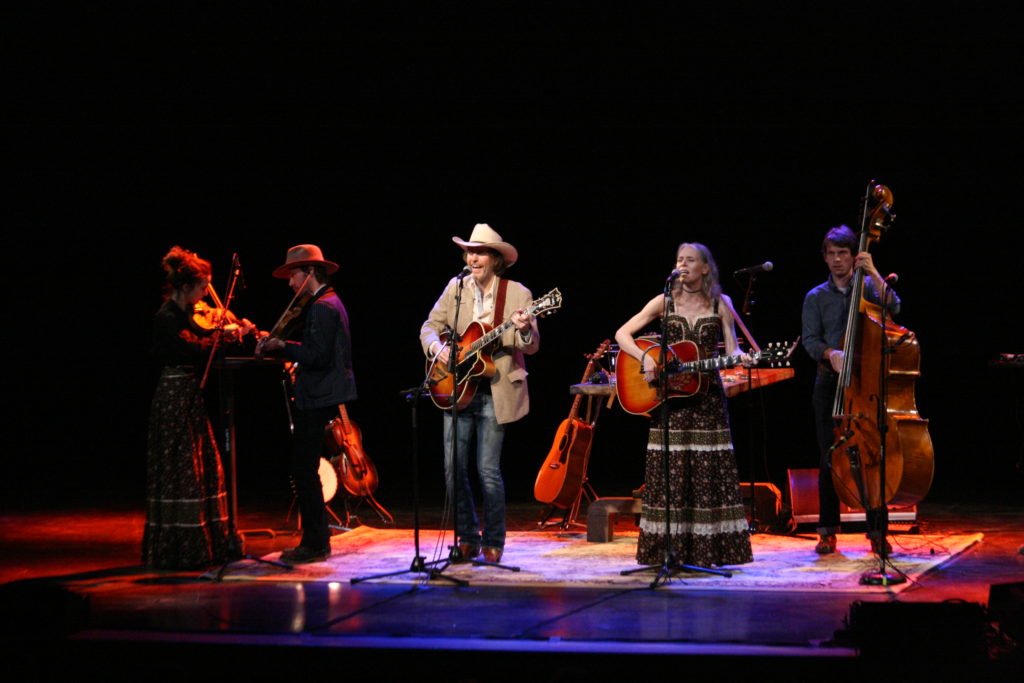
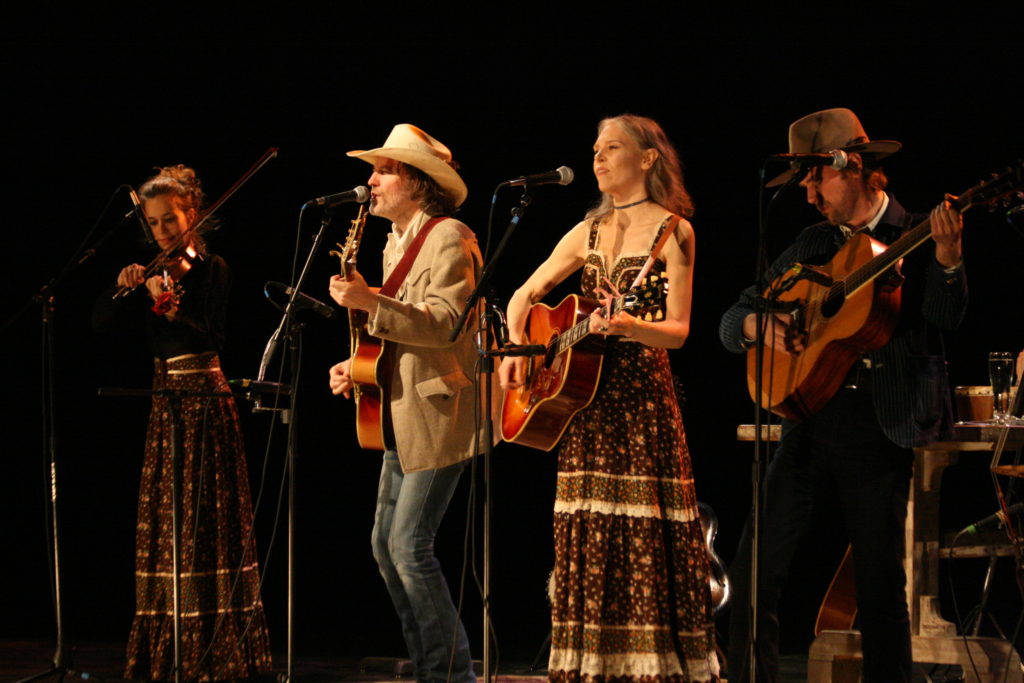
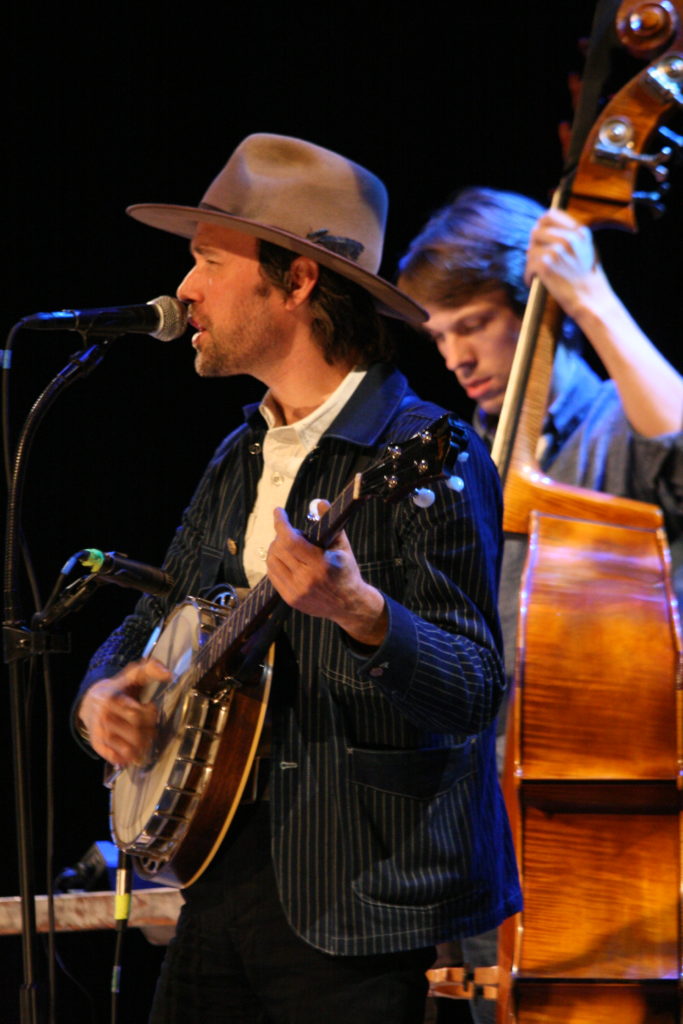
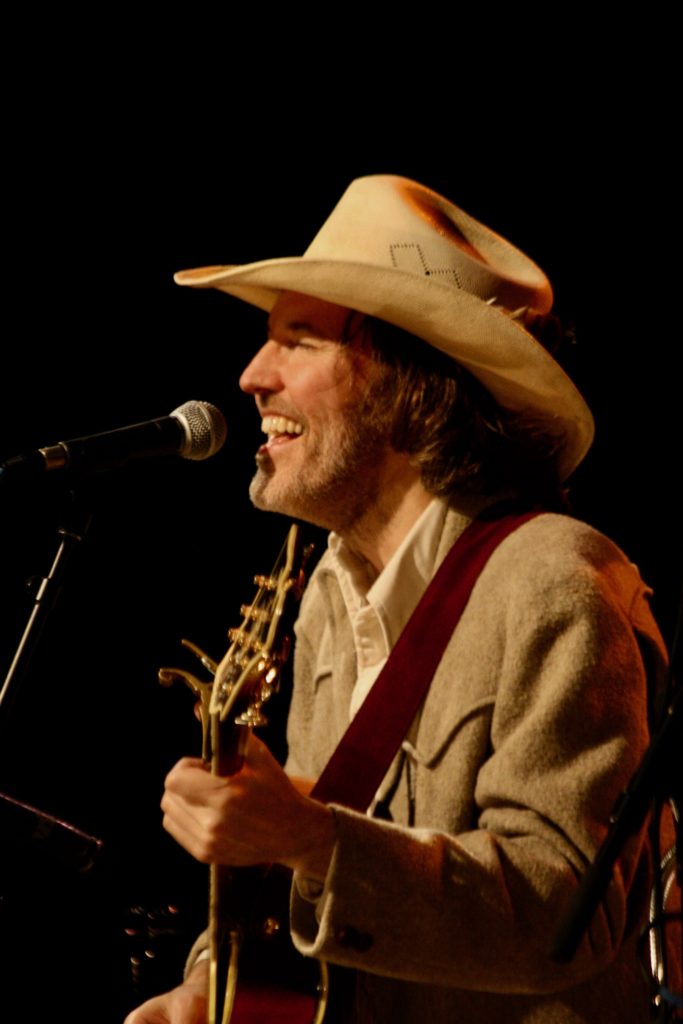
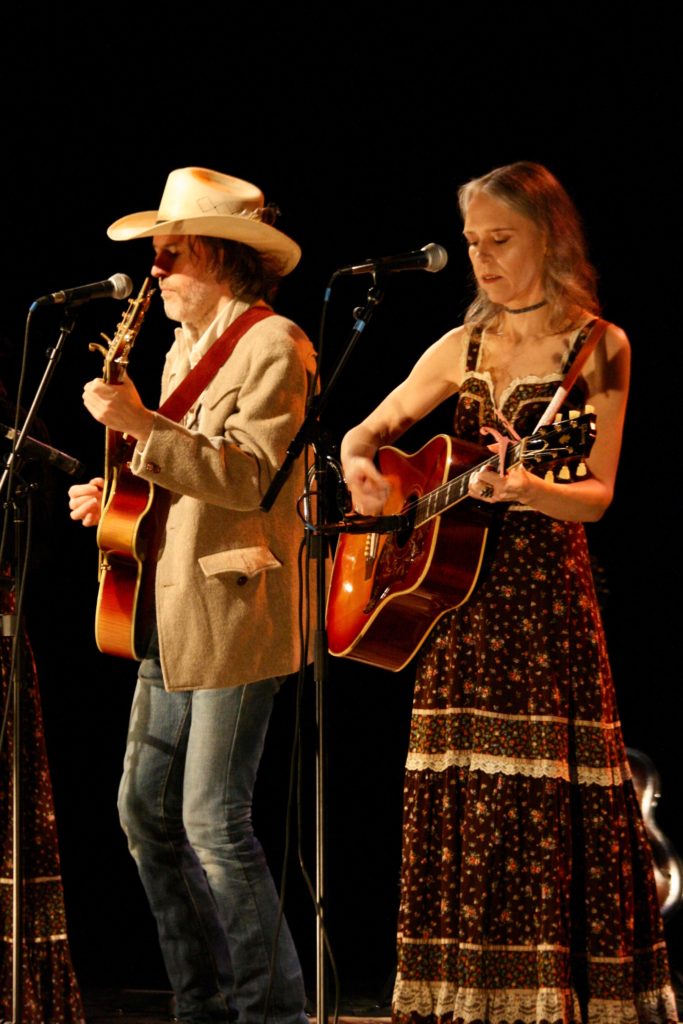
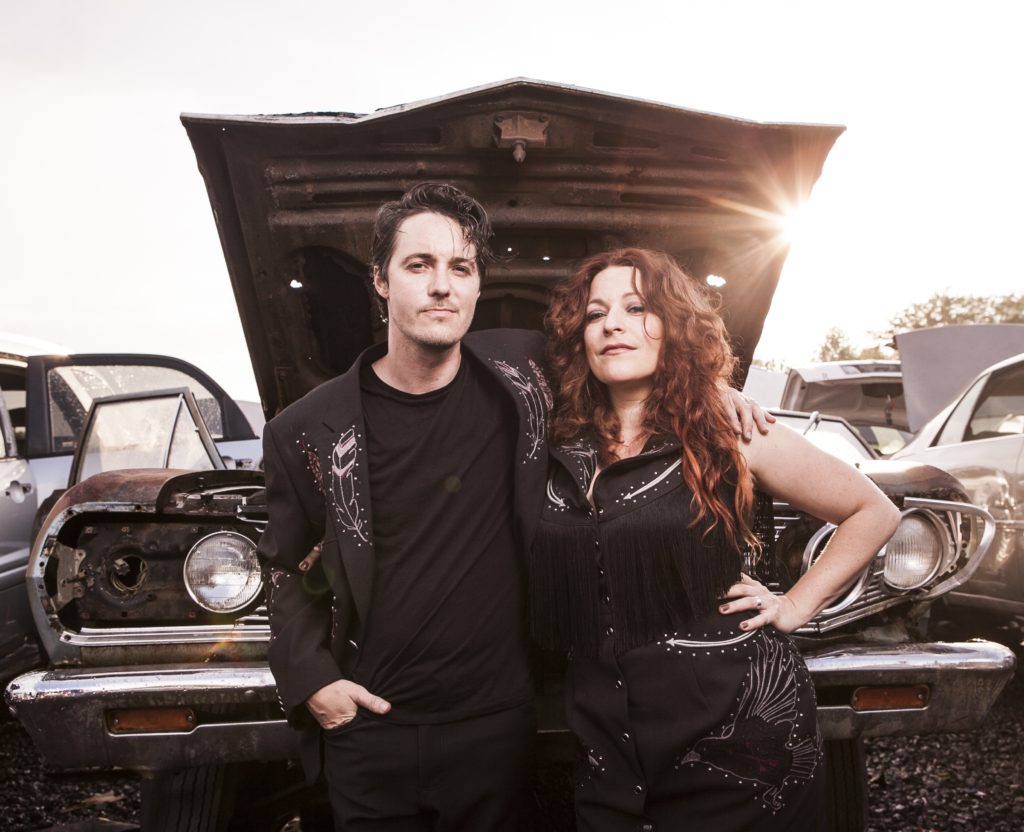
Shovels & Rope is the duo of Cary Ann Hearst and Michael Trent who had been performing as solo acts and – on a fateful evening in the Magic City – decided to become one. The duo just released Busted Jukebox, Vol. 2 which features cover collaborations with an impressive roster of their peers that includes Brandi Carlile and John Moreland.
Before their return trip to a sold-out show at Iron City, Hearst and Trent talked about that night in Birmingham that was the genesis of the band, what the song of the same name meant to them, the new record and about leaving Nashville to make it in the music business.

Birmingham Stages: The first major hit you broke through with was named after our city. Has that affected your relationship with the City of Birmingham?

Michael Trent: People get really excited when we play that song in Birmingham. Anytime you play a song that mentions the name of a place at that place people get very excited.

Cary Ann Hearst: It’s always awesome.

MT: If we could do that once for every state, we’d have it made.

CAH: We have a storied history with Birmingham. Hell, we came up and we played at The Nick. We played at the BottleTree. We played at the Zydeco. We played a lot of great venues as we came up through the ranks over the years. Our band was basically formed out of a gig that we played with Deer Tick and J. Roddy Walston. I can’t remember…

MT: I think it was at Zydeco.

CAH: Yeah, it was Zydeco. On the way to that gig, we had talked about how we were gonna suss out what we were gonna do. Is this a good idea? Should we give it a shot? So in that sense, the connection we have to this city is very sentimental. It’s not so much about the song as it is the experience that song kind of ended up being about and somewhat alluded to—Birmingham’s a trip, man. It’s got a storied history and it seems like it’s changing and my best friend is living there right now. We’re looking forward to getting down there and seeing Duquette [Johnston] and his wife.

Birmingham Stages: I didn’t think it would be possible to top Busted Jukebox, Vol. 1, but you may have done it with Busted Jukebox, Vol. 2. How did you curate those records? How did you choose the artists that you’d cover them with?

MT: We did do it! We topped it, right?

CAH: [cheering]

MT: Those records were really fun to make because there was absolutely zero pressure behind it. We started just doing it for fun as a creative exercise and we’re always thinking about artists that it would be fun to collaborate with on a song that nobody would expect. It probably just gets more and more out there as we go. We kinda went for it with the asking this time; we asked some people that we were probably too scared to ask the first time around, and people said yes. That’s not to say that we’re not excited about the people that are on the first one. But you know, we had meant Rhett Miller along the way; we had friends of friends of Nicole Atkins. We’ve known Lera Lynn since…

CAH: Way back.

MT: …way before we were even a band. We just kind of decided to take it into space.

Birmingham Stages: How did you choose the songs?

CAH: It’s fun to choose a song that’s definitely not an obvious choice; a great song from your past that you have some kind of connection to. All of the songs are songs that you have some kind of connection to; it can’t be just finding a deep cut or finding one that you know is gonna work. If you find the right combination of a song—a random, great song that you love and that you actually have a cool vision for—then it goes with a certain artist that you happen to be friends with or at least you’re friendly enough with them that you are comfortable asking them to collab—and these collabs happen across the internet from city to city. It’s not like we’re getting in an intimate…they’re alone in a room and I’m alone in a room and we have that exchange.
It’s just a little bit of kismet in that regard; songs that we’re attached to. Both of us love the song “Epic.” I remember having kind of a transcendent experience as a young kid listening to Faith No More’s “Epic.” The production had a bit of datedness in it…

MT: Oh yeah…

CAH: But a good song is a good song, and you can put a dress on it and…

MT: I feel like maybe our ‘90s are showing a little bit on this record [laughs]. If we have a personal connection to it, it doesn’t even matter. The opening song—probably 100 people had heard that song before this. It was written by a friend of ours that’s basically just a great songwriter—he doesn’t go out and tour. He’s a teacher. But it’s a really cool song, and it gave us a chance to get a powerhouse like Brandi Carlile to sing this guy’s song, and that’s really satisfying for us. [Note: The track is a cover of Bill Carson’s “Cleanup Hitter.”]

Birmingham Stages: Similarly, you’ve curated the High Water Festival in Charleston. How has that festival impacted your city economically?

CAH: That’s a good question. I don’t know what the direct economic impact has had on North Charleston, which is the third largest city in the state of South Carolina and it’s the next city over from Charleston itself. That community was super cooperative with us. They were excited to work with us and believed that it could bring—I’m not going to say much needed business, because they are doing business. North Charleston is great to do business with. But they were eager to have whatever economic impact it would bring to the area. And Charleston isn’t short on tourism, but I think the hotels in North Charleston were definitely full of people that came from out of town. Of the metrics that we do have among 9,000 tickets, 6,000 of those were local Charlestonians, but 3,000 of those came from out of town. And they spent a lot of money. So that’s good. I hope it’s had nothing but a positive impact. The people that pay to see it enjoy its positive impact, and we’re also conscious of the environmental impact we have. It seemed like no one had anything to lose and everything to gain from the festival, and that’s good for us.

MT: The problem with a lot of festivals is that they start off being really great and then people want to make it bigger and bigger. “That was great! Let’s make it…twice as big next year!” Quality goes down because people begin trying to cut costs. It becomes a corporate thing where the fans usually aren’t benefitting. It was a surprise success last year and we just sort of want to keep it the same every year. It was a neat thing to be able to bring a lot of those bands out to Charleston. The people out here were really excited about it.

Birmingham Stages: Cary Ann, I think that you and Justin Townes Earle may be the only artists that are actually from Nashville, and you moved away. Why did you choose to leave?

CAH: I’ve had a quippy saying about that forever. I always say, I left Nashville to make it in the music business; Nashville is an awesome place to grow up—and I can’t speak to Justin’s upbringing, we met when I was in college, actually. The band that I grew up playing with became his band later. The reality is that it is replete with talent and everybody is chasing the same dream. There’s a lot of great people there and there’s a lot of…

MT: Traffic.

CAH: …there’s a lot of traffic [laughs]. Charleston, South Carolina has everything to do with the artist that I developed into being. I’m too lazy. I wouldn’t have made it in the business because it would have been too hard for my fragile little ego. I never would have been able to swallow my pride. I wouldn’t have had the grit to have survived in the industry there.
But I did have the time and the charisma and was paid adequately to justify that I could have gigs in Charleston, just playing music in bars almost every night of the week and have the best music people in the world to play music with. This town is insane for good music and good musicians. I’m definitely happy that I left Nashville to make it in the music business.

Shovels & Rope will perform at Iron City on Friday, February 9. Doors open at 7 p.m. and showtime is 8 p.m. For more information, visit www.ironcitybham.com.

Texas, Townes and Touring: A conversation with Thomas Csorba

By Brent Thompson

Photo Credits: Graham Dodd

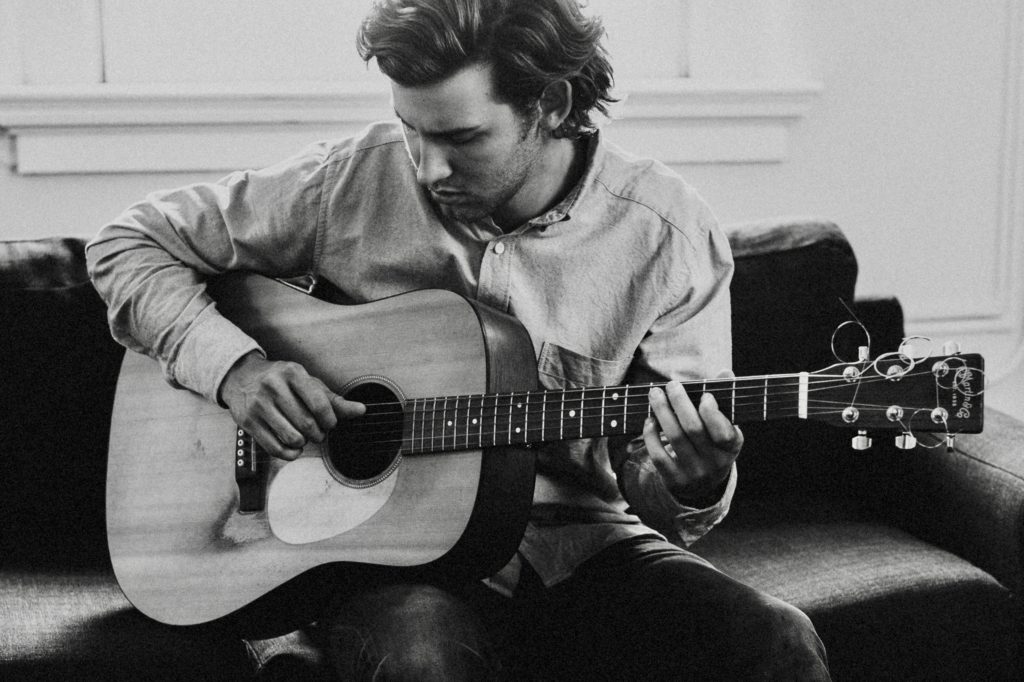
Singer/songwriter Thomas Csorba is a student at Baylor University but his music, experience and influences belie his age. To the 20-year-old Texan, performing live doesn’t just mean playing to locals and fellow students – it means traveling extensively and recording albums with crack studio musicians. In 2017, Csorba released From The Foxhole, his third album and first full-length recording. Drawing on the sounds of his home state’s legendary troubadours, Csorba’s music possesses a timeless quality. On Thursday, February 8, he will make his debut Birmingham performance at Seeds Coffee Co. in Homewood. Recently, Csorba spoke with us by phone from his Waco home.

Birmingham Stages: Thomas, thanks for your time. How are you able to juggle performing, traveling and life as a student?

Thomas Csorba: It takes a lot of discipline and some understanding friends. I wouldn’t be able to do it without folks that wanted me to do it.

Birmingham Stages: We are looking forward to your first show in Birmingham.

TC: I’m really excited. We were going to play in Auburn that night and it ended up not working out. I got hooked up with the folks at Seeds. I haven’t spent much time in Birmingham but I’m really excited to be there for a couple of days.

Birmingham Stages: Your music possesses a timeless quality. If you will, talk about your influences.

TC: It was a lot of “Outlaw” Country as a kid – Willie Nelson, Waylon Jennings and Merle Haggard. Also, Townes Van Zandt really stood out to me – he’s a distant relative of mine. Half of the family thinks of him as a disgrace – the Southern Baptist part of my family – and me and my brother think it’s the coolest thing that we share a little bit of blood with this guy. I dove into Townes’ stuff really young and that led me to 1930s Blues – Lightnin’ Hopkins, Mississippi Fred McDowell and a bunch of those guys. My brother is six years older than me and forced me to listen to that stuff and I’m glad he did. 

Birmingham Stages: How would you describe your songwriting process?

TC: When I was 15 or 16 I had a buddy that was in a band and he told me, “If you want to write, it’s a discipline.” He taught me it’s something you have to work at – it’s not a gift, it’s something that’s earned. For my first EP, I brought the producer 15 tunes and we decided to do five badass tunes instead of 15 half-assed tunes and I think that’s a smart way to do things. For the most recent record – my first full-length – it’s very much a concept record so that on had more direction. The record was written over the span of a year with themes I tried to dial-in on.

Birmingham Stages: How do you view the musical climate today in the age of iTunes, Youtube and satellite radio? How do you separate yourself from among the crowd?

TC: When The Beatles and The Eagles were putting out records, their tours would promote their records. Nowadays, it’s completely backwards. We’re putting out a record to give people a reason to come to a show. As a kid, sitting in the same room and watching someone pour out their heart and soul was a big deal to me. That’s what I want to do. I rarely have an epiphany listening to Spotify, but being in the same room as an artist is a sacred thing. You experience something different than the person sitting next to you. People want to feel like they’re part of something.

Thomas Csorba will perform at Seeds Coffee Co. in Homewood on Thursday, February 8. Showtime is 7 p.m. For more information, visit www.seedscoffee.com. 

For the love of music: A conversation with Marco Benevento

By Brent Thompson

Photo Credit: Dave Long

Often times, the musical term “experimental” doesn’t equate with a listener-friendly experience, but Marco Benevento takes us on his sonic flights without forgetting we are on board for the ride. For more than a decade, the pianist/vocalist/producer/record label founder has melded Rock, Jazz and Electronica to create his own unique sound. In addition to his extensive solo output, Benevento has lended his talents to a number of projects including Joe Russo’s Almost Dead, Garage A Trois, Benevento/Russo Duo and even the Led Zeppelin tribute band Bustle In Your Hedgerow. In 2017, he released the live Woodstock Sessions, recorded in his adopted home of Woodstock, N.Y. On Friday, February 9, Benevento will make his debut Birmingham performance at Saturn. Alexander Isaiah will open the 9 p.m. show. Recently, we spoke to Benevento by phone from his Woodstock home.

Birmingham Stages: Marco, thanks for your time. If you will, talk about the setting and recording of Woodstock Sessions.

Marco Benevento: It’s two miles down the road from my house so it’s close by. It’s like a barn studio – a big live room and a control room. They squeeze about 100 people in there and they have a barbecue beforehand and we played two sets of music and we picked the best ones from the two sets. I wanted to put it all on the record but it was too long. It was a great experience. They’ve had other bands come to do [live sessions]  – Bad Brains, John Medeski, Nels Cline. It’s a pretty rich musical community around here.

Birmingham Stages: Had you been to the venue before you played it?

MB: I had worked there on some other records so I’d been there a bunch, but this was my first official in-studio live gig to be recorded. Everybody played great and it was the last night of the tour so we were all warmed-up and happy to be home.

Birmingham Stages: If you will, talk about your record label – Royal Potato Family – that you started with co-founder, Kevin Calabro. In addition to your recordings, the label has released albums by Jacob Fred Jazz Odyssey, Grayson Capps, Neal Casal and The New Mastersounds among others.

MB: It was conceived about eight years ago. I was working on my second record and people from [record label] Verve showed a lot of interest in putting out our record and it was cool to get support from a major label. When we were ready to move forward, they just vanished – I don’t know what happened. My manager, Kevin, said, “Verve or no Verve, let’s put your record out and start our own label.” So that’s how Royal Potato Family started. We got a little boost of confidence and we brought a lot of our friends into the label.

Birmingham Stages: In addition to your solo career, you stay busy with other musical projects.

MB: With Joe Russo’s Almost Dead, we do about 40 shows a year and just play the music of the Grateful Dead – you can’t go wrong with that. Garage A Trois – I don’t what’s happened – it’s sort of disintegrated. I keep busy – I play around Woodstock when I’m home and it’s a great community. [Levon Helm’s daughter] Amy Helm has Levon’s barn and it’s still happening and they have shows there. The tradition of the [concert series] “Midnight Ramble” has faded but they do have shows there.

Birmingham Stages: How do you find time to do all that you do?

MB: I don’t know [laughs]. I go back and look at my calendar and I’m like, “How in the heck did I do that?” Its tough but I just do it. I love playing music so that’s the big thing and it pays the rent. It’s tough – I have two kids but my wife holds down the fort here.

Marco Benevento will perform at Saturn on Friday, February 9. Doors open at 8 p.m. and showtime is 9 p.m. Advance tickets to the 18+ show are $12 and can be purchased at www.saturnbirmingham.com. 


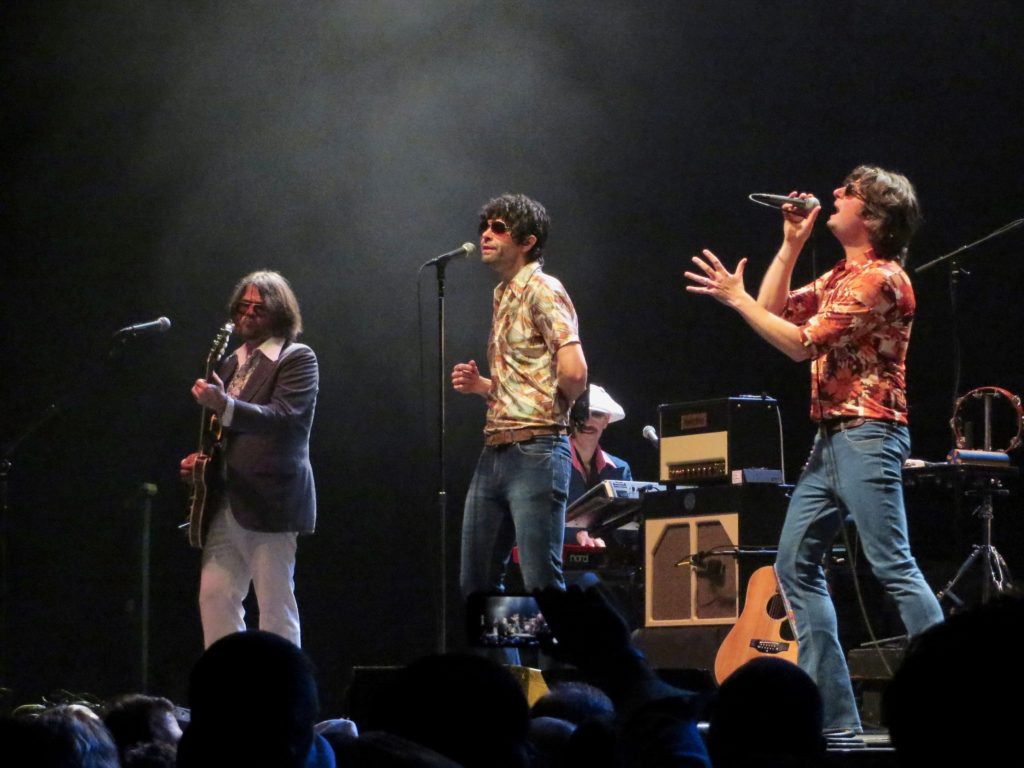
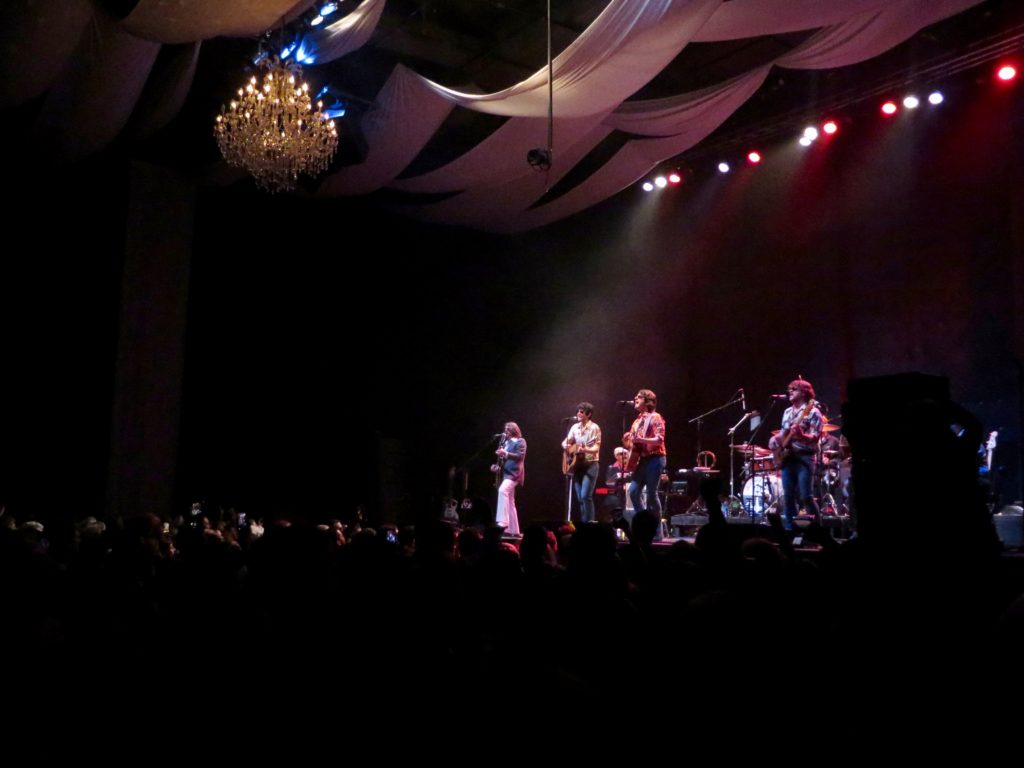
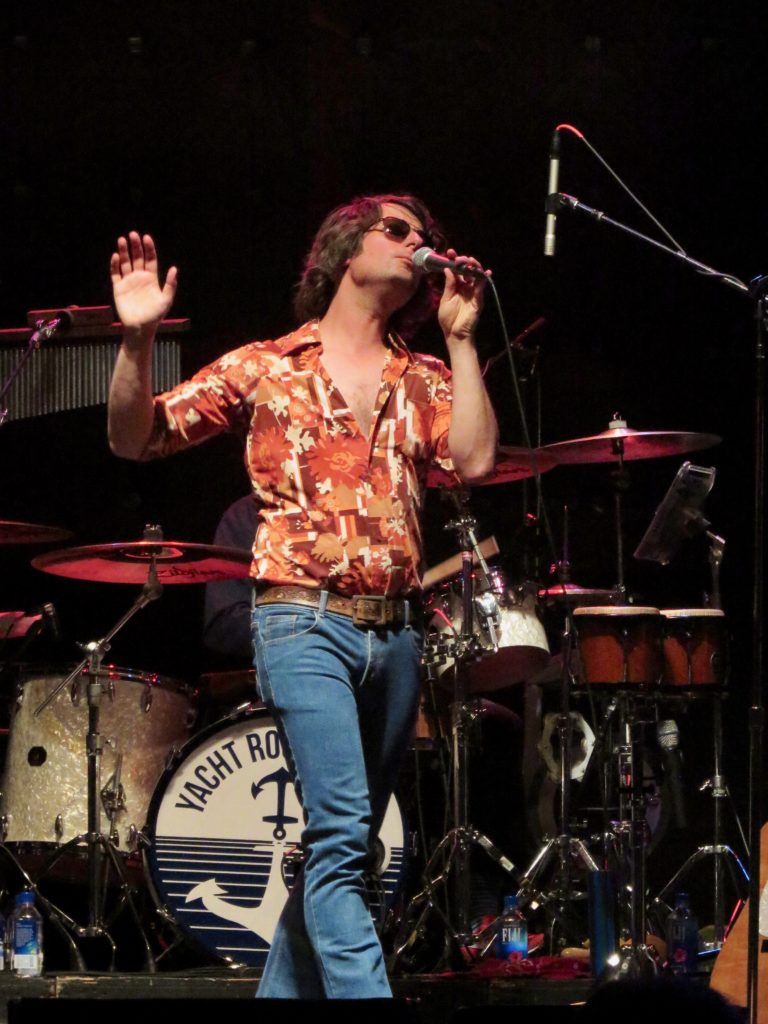
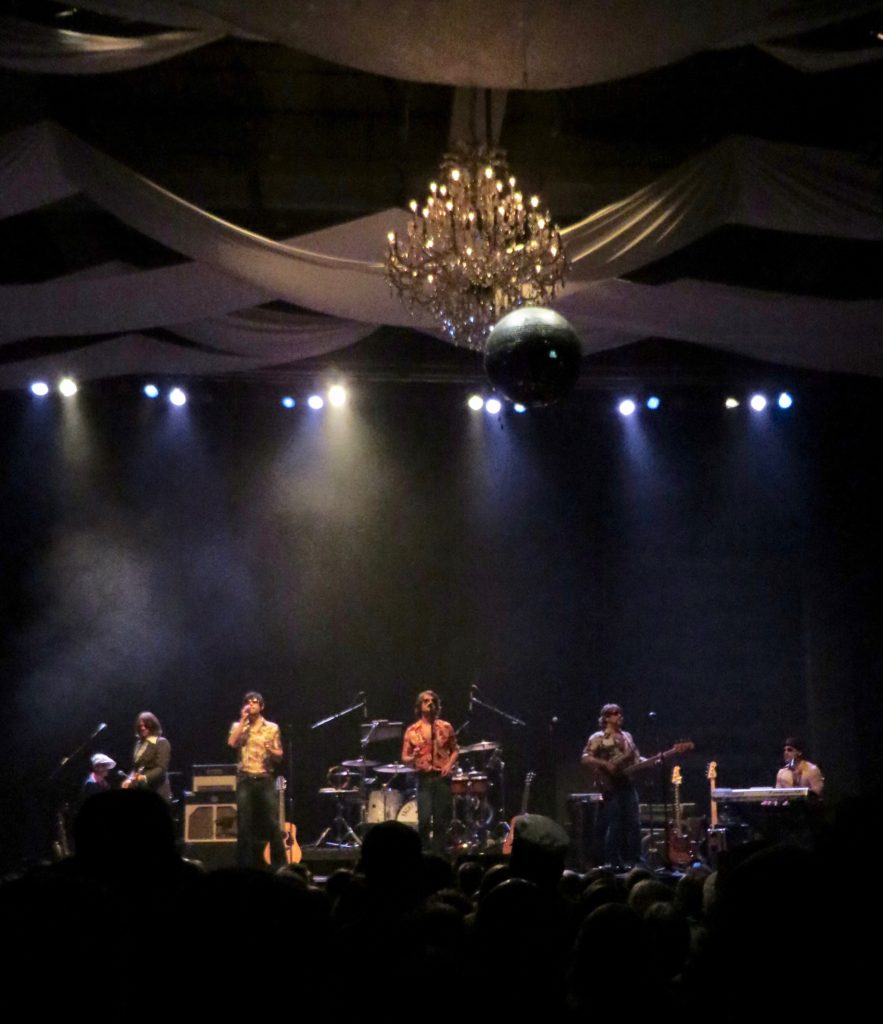
Concert Shots: Yacht Rock Revue at WorkPlay 1-27-18

If Top 40 radio of the ’70s and ’80s meant something to you, if you consider “Baker Street,” “Rosanna” and “Escape (The Pina Colada Song)” standards and if you like this music played note-for-note to a packed house of enthusiastic fans, then a Yacht Rock Revue show is for you. On Saturday, January 27, the Atlanta-based septet performed in the WorkPlay Soundstage to a sold-out crowd and we were there to capture the event.

Photos by Brent Thompson


Unlike any other time you’ve played the song: A conversation with Michael McDonald

By Brent Thompson

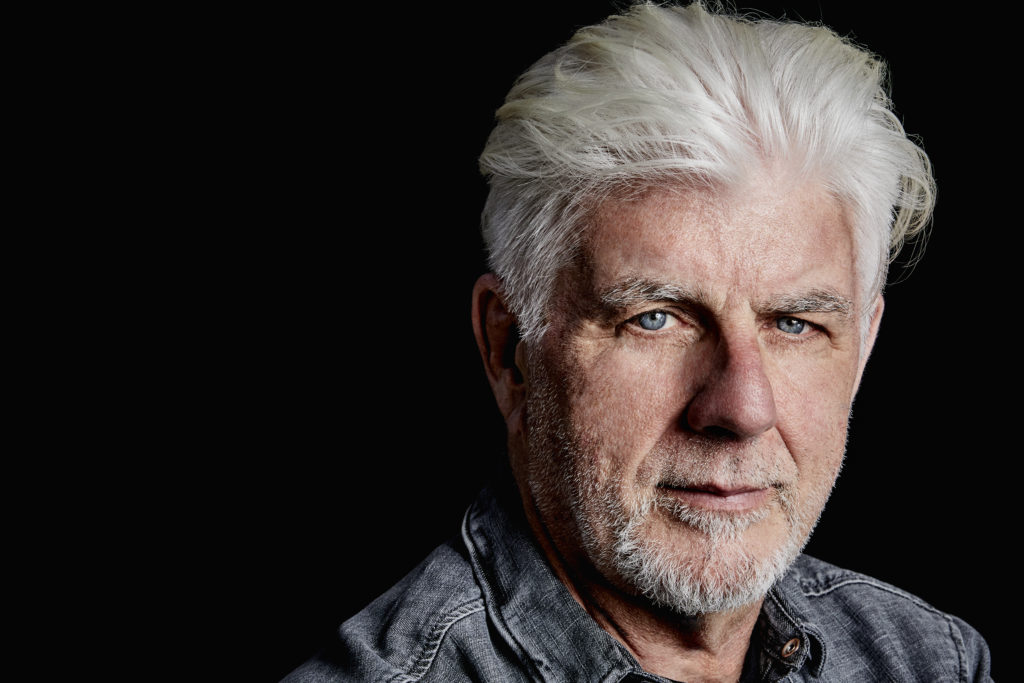
A scan of the satellite radio dial is all it takes to grasp Michael McDonald’s impact on Pop music. The vocalist/keyboardist/composer can be found on multiple Sirius XM channels including The Bridge, 70s, 80s, Classic Rewind, Yacht Rock Radio and Classic Vinyl. As a solo artist, frontman of The Doobie Brothers and session musician, McDonald has amassed numerous hits including “What A Fool Believes,” “Takin’ It To The Streets,” “Sweet Freedom,” “On My Own” (with Patti Labelle) and “I Keep Forgettin’ (Every Time You’re Near).” In 2017, McDonald released Wide Open, a 12-track collection and his first new album in nearly a decade. On Sunday, February 25, the five-time Grammy-winner will return to Birmingham to perform at the Alys Stephens Center. Recently, McDonald spoke to us by phone from his home in Santa Barbara, Calif.

Birmingham Stages: Michael, thanks for your time. Where is your home base these days?

Michael McDonald: Nashville has been my home base, musically, for a few years now but I live in Santa Barbara these days. We kind of live a little bit of everywhere. My wife – I don’t know who’s more of a gypsy, her or me. We seem to be all over the map in the last 20 years. Right now we keep a home in Santa Barbara and I have my studio in Nashville, so I get down there quite a bit.

Birmingham Stages: We are looking forward to your return to Birmingham. The last time you played here you performed at Iron City and your son, Dylan, opened the show.

MM: That was a great venue. We are a fortunate generation in that there’s Classic Rock radio and more venues that cater to music than existed when we were younger. You were either in a nightclub with sawdust on the floors or old auditoriums.

Birmingham Stages: We are really enjoying Wide Open. If you will, talk about the creation of the album.

MM: It was a record born out of circumstance in the sense that a lot of [the songs] were demos that I had cut during the Motown records. I did these demos with the guy who wound up producing the record, Shannon Forrest, a drummer out of Nashville. He’s a world-class, A-list drummer but also a producer. He and I were co-oping on space in a building where I stored a lot of my old keyboards and my old gear. He had a vintage console, so we combined our stuff and put together a haphazard recording situation where we could make some decent analog records and we are both fans of old gear. So, he was working out of there pretty regularly and doing sessions and I would come back into town and – if I had a song idea I’d thrown down on my iPhone – I’d call him up and say, “Hey, if I buy you a pizza, will you make a demo with me?” So that’s what we would do after-hours a lot of times. He’d be done with his day and, rather that let the poor guy got home and see his family, I would ask him to stick around and play drums. It sounded pretty good so there were some fairly decent starts for tracks, even though they were just two-man demos.

He built another studio and, when he did finish it, he used those old files we’d recorded and replaced the drums he had done in my studio. When I came over to see his new studio, he told me he’d been using those files as a reference to record the drums to hear the sound here as opposed to over there. He said, “They sound pretty damn good – I think you have the start of a record here.” So he played them for me and we started pulling in musicians to help build the tracks around the original demo vocals that we’d done and those are still largely the vocals on the record  – the original demos we did at my place. We found that, to a great degree, we were well into this project before we even knew we’d started it. It was nice to have a jump-start.

Birmingham Stages: With a lengthy career so full of hits, how do you comprise your set lists these days?

MM: I try to look at it from the audience’s perspective because that’s what we’re there for. We’re getting up to play for them, so I try to keep that foremost in my head. It’s a lot of trial-and-error but I try to keep a good cross-section of older stuff that I think people will want to hear the most along with older stuff that I think the most ardent fans would appreciate us pulling back out. We compartmentalize the show to address all of those different things and then play as much of the new stuff as we can get away with.

Birmingham Stages: When you play fan favorites – so many including “What A Fool Believes” and “Sweet Freedom” immediately come to mind – how do the songs stay fresh and relevant to you after you’ve performed them hundreds of times or more?

MM: Along the way, when you play a song long enough, it morphs and certain things become part of the arrangement almost accidentally. We kind of fashion the songs as we go because there’s no better place than a live performance on stage to see what a song can do. But what keeps a song fresh to me more than anything else is the audience reaction. When you play a song you’ve played for years, it might be boring if there was nobody in the audience to listen. But when the audience recognizes it and they show the enthusiasm of being able to hear a song that’s familiar to them, it becomes that moment and experience unique to itself and it’s unlike any other time you’ve played the song.

Birmingham Stages: Is there any chance we will get to see The Dukes of September – your project with Donald Fagen and Boz Scaggs –  again?

MM: I would love to think we would. That’s Donald and [Fagen’s wife] Libby’s franchise that started as The Rock & Soul Revue that we just played around New York. We took it on the road and it became The Dukes Of September and it was great fun to play with that band – such a stellar group of musicians. It was great to be onstage with Donald again and being onstage with Boz, I always love touring with him. I hope it happens again. I don’t know that it will, but I’d certainly be up for it again. I never dreamed in my wildest dreams that when I was in my twenties onstage with Steely Dan that I’d still be working with those guys all of these years later.

Michael McDonald will perform in the Jemison Concert Hall of the Alys Stephens Center on Sunday, February 25. Tickets to the 7 p.m. show are $59 – $85 (limited $10 student tickets are available) and can be purchased at www.alysstephens.org.

Concert Shots: David Rawlings at The Lyric Theatre 1-24-18

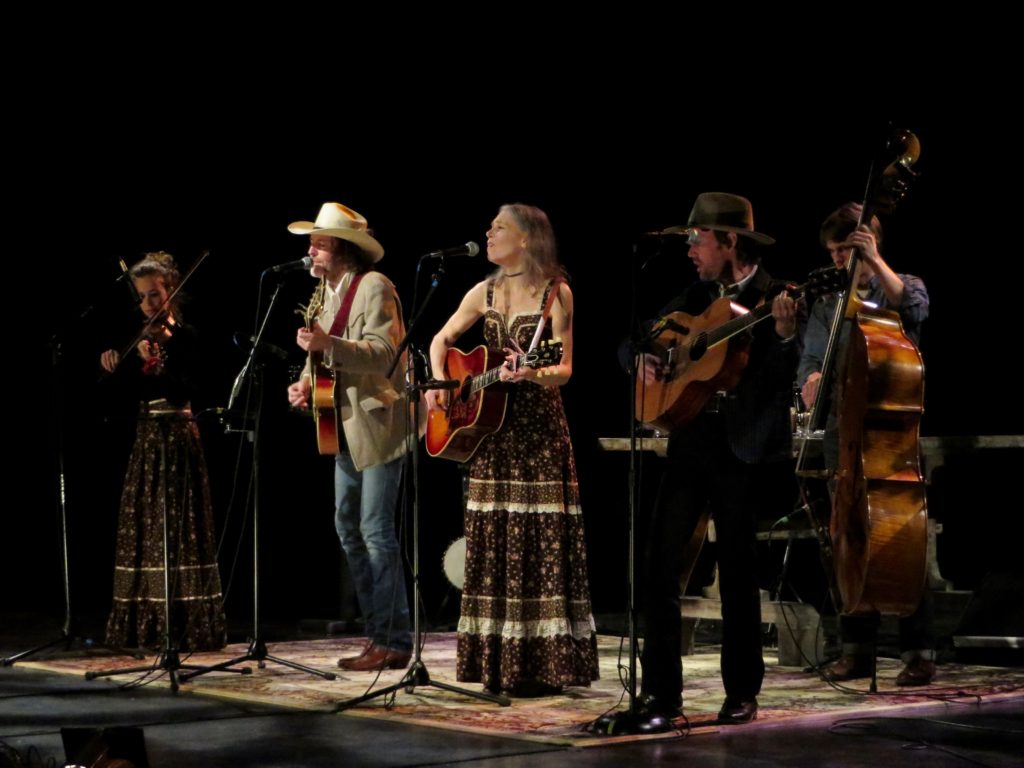
David Rawlings and The Lyric Theatre made for the perfect artist/venue combination on Wednesday, January 24. Though the touring names may change (David Rawlings, David Rawlings & Gillian Welch, The Dave Rawlings Machine), any five-piece string band that includes Rawlings, Welch and Willie Watson gives the audience a satisfying night of music. Of the course of two sets, the quintet played old and new favorites, including songs from Rawlings’ latest release, Poor David’s Almanack.

Photos by Brent Thompson

Concert Shots: Jason Isbell at Alabama Theatre 1-18-18

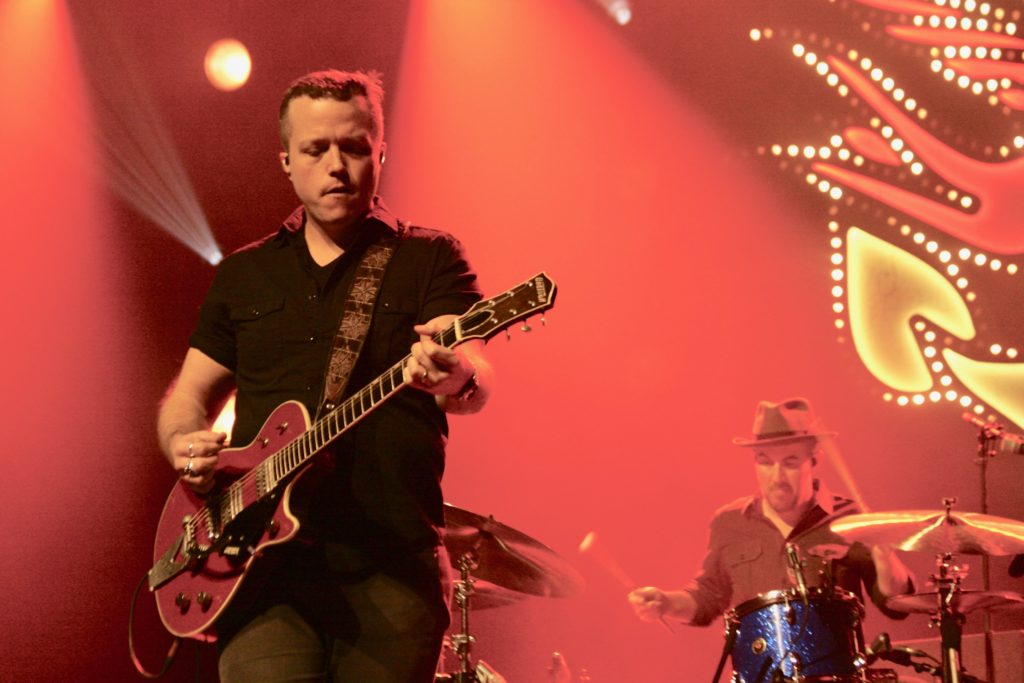
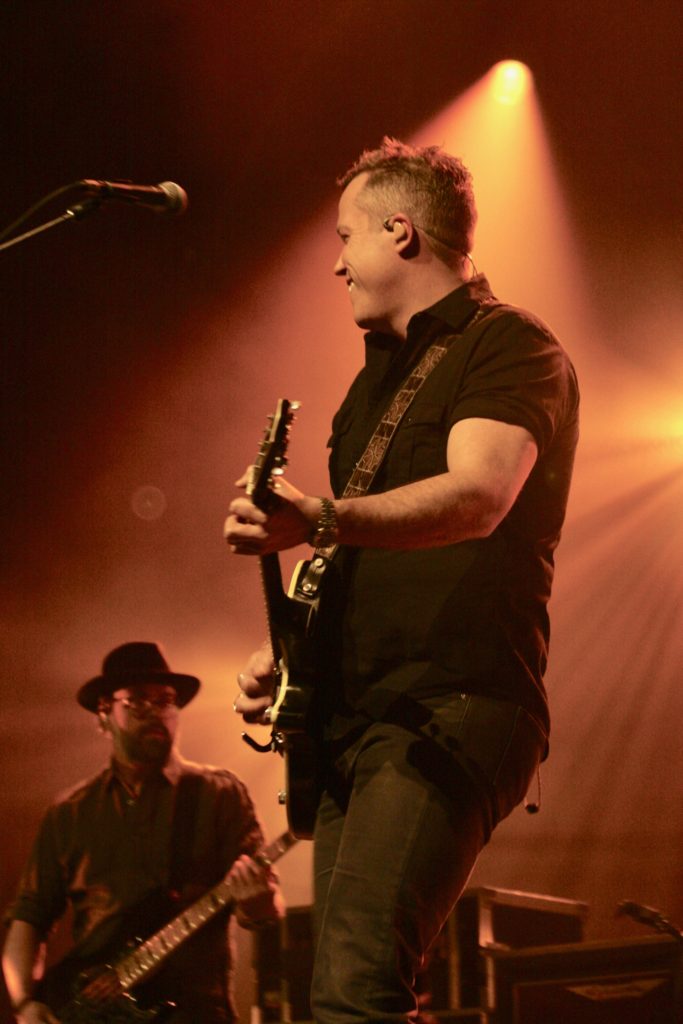
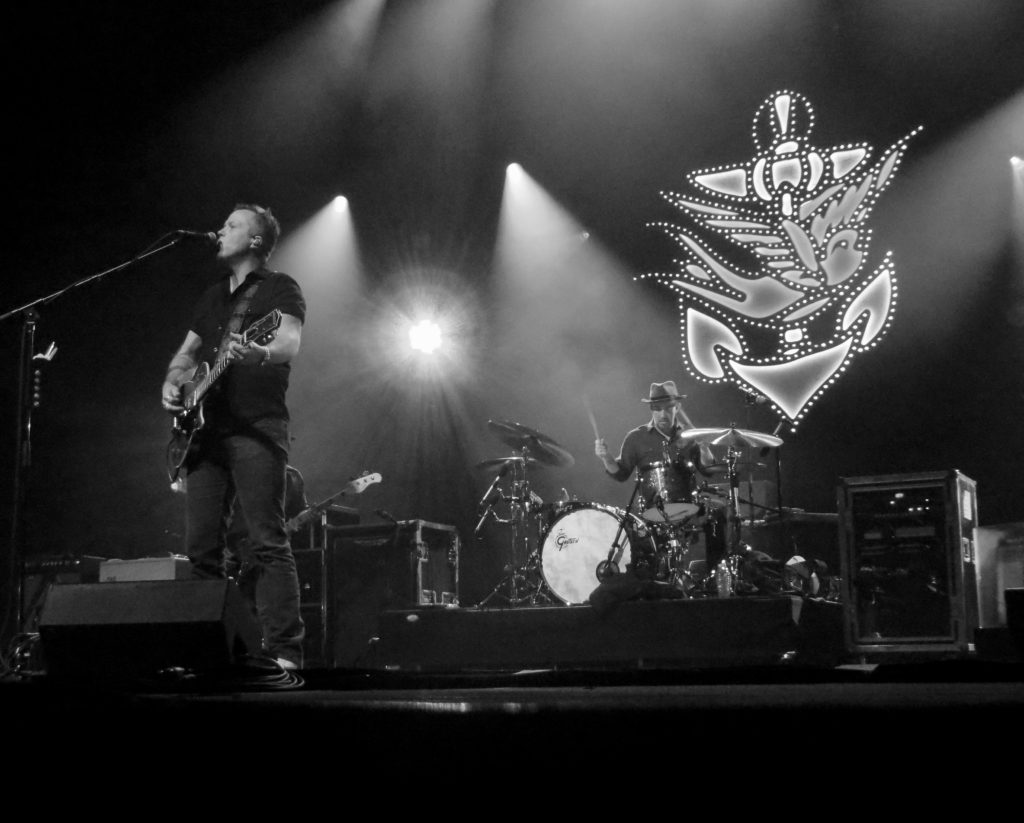
Touring in support of his latest release, The Nashville Sound, Jason Isbell played the first of a three-night run at the Alabama Theatre on Thursday, January 18. Backed by the 400 Unit, Isbell’s two-hour set included “Last Of My Kind,” “Dress Blues,” “Tupelo,” “Flying Over Water” and a scorching version of “Never Gonna Change” (a song from his days in Drive-By Truckers). Stalwart singer/songwriter James McMurtry opened the show.

Photos by Brent Thompson

Music, The Machine and Morrissey: A conversation with David Rawlings

By Blake Ells

Photo Credits: Alysse Gafkjen

David Rawlings has become a fabric of the Americana community, notably announcing his presence at the beginning of Ryan Adams’ seminal debut album Heartbreaker in 2000. He’s since worked with Old Crow Medicine Show, Ani DiFranco, Robyn Hitchcock, Bright Eyes and Sara Watkins among others. His own Dave Rawlings Machine has featured his longtime collaborator and partner Gillian Welch, Willie Watson, Paul Cowert, Brittany Haas and occasionally former Led Zeppelin bassist John Paul Jones over two records and the touring that followed for nearly a decade. And while the band is the same, they decided to release the latest effort under his name alone.
He talked about that decision before returning to Birmingham. He also chats about coincidentally writing a song that shared a title with a song by Jason Isbell, he offered a look into his songwriting process and he explained the argument with Ryan Adams concerning Morrissey.

Birmingham Stages: Why was it important to you this time to release the album as “David Rawlings?”

David Rawlings: After we had this collection of songs together and we recorded it—we were just starting to understand what we thought it might be, we’d played it for a few people—and we were trying to figure out what to title the album, it just felt—for whatever reason—that the “Dave Rawlings Machine” name didn’t fit very well on it. And a couple of people had asked, “Are you gonna put this out as the Machine? Are you gonna do something different?” And that hadn’t really occurred to me to do something different, but I knew that we were struggling to come up with a name a little bit.
We thought of the Poor David’s Almanack title and it just felt like if we were going to do that, we had to just call it “David Rawlings.” We wrung our hands about it a little bit; we weren’t really sure. You always think about—if you’re in the car and a song comes on and you see the song title and you see your name—we spring from a tradition of singer-songwriters and people just play under their names. So the band is kind of a different thing—if you see “Dave Rawlings Machine,” you’re maybe not thinking the music is gonna sound like what it sounds like. But there’s something about Neil Young or Bob Dylan; Richard Thompson or Paul Simon; all of these musicians that I grew up listening to, that’s what you did.
So we thought, “Well, let’s go ahead and do that. It’s not gonna confuse too many people.” [laughs]

Birmingham Stages: Does that effectively dissolve “the Machine” or is that something you may go back to?

DR: [laughs] No, we’re still playing with the same people. It was just a name, you know? We did more touring as “the Machine,” and we thought about leaving that as the touring name, but that seemed like it might be more confusing than it was. In the end, “Gillian Welch” has always been the name we’ve used as our sort of band name, and we thought, “Well, ‘David Rawlings’ can be the same thing.” And it’s just simpler.

Birmingham Stages: How did you and your friend Jason Isbell react when you realized that you’d both written a song titled “Cumberland Gap?”

DR: I didn’t know—I guess—until I saw his pop up on the radio. I think his came out first—ours wasn’t out yet—we had mastered it and the artwork was done and I saw his title come up and thought, “Is he playing that old tribe song?”
We got a couple of good laughs about it. “Cumberland Gap” is up for American Roots Song for the Grammy against “If We Were Vampires,” and he like, “Man, I wish it was “Cumberland Gap” against “Cumberland Gap.” [laughs] “So we could let people vote on which one is better. But I guess yours wins because yours is up for a Grammy and mine isn’t.” [laughs]
I don’t think that’s true. I really like his. You know sometimes, it makes you wonder about the cultural zeitgeist and what’s popping around in people’s heads and why. I have a clear memory of how that title popped into my head—obviously I know the traditional song—but I was working on that melody and working on that song and I guess I had a couple of lyrics that I wanted to put in the chorus, but I didn’t have a title; I didn’t really know where the song was gonna go. “Cumberland Gap; a devil of a gap” literally just popped out of my mouth.
I wasn’t thinking—sometimes you just open your mouth and see what you say—and that’s what I said. It came from nowhere as much as anything, but as soon as I talked to Gillian about it and she got her mind around what kind of story that made her immediately think of and we started developing that story and working on it, we were really happy about it. There seemed to be a real feeling of a journey or of exploration or of freedom or frontierism; all of those feelings were in the music and in the melody for me. So it was easy to focus those thoughts around something as important as the Cumberland Gap was in history—a gateway to the west back then.

Birmingham Stages: All of these songs in this collection have an extremely timeless quality about them—they feel like they were written 30 or 40 years ago, and I imagine they were all written fairly recently, especially a song like “Airplane.” How do you do that when you’re writing songs? Where do you draw that timeless quality from?

DR: “Airplane” is something that Gillian had started—as far as these songs, that was maybe the one that got started the longest ago. That was maybe three or four years ago, Gill had written the top part of that chorus—which was just beautiful—and we always liked it, but we didn’t really finish the chorus the way we wanted to and it didn’t connect to much else of a story, so it was something she’d sung some; we’d thought about it—it probably hung around a couple of weeks, but eventually, it just kind of stayed in my head as this cool thing. In the spring of 2016, I was sitting around and I started playing that and I had a couple of ideas—and it did kind of connect to songs from the 1970s—that thing that has a Southern feeling to them. I started to hear it that way; it wasn’t how it initially was. So I thought, “In a song like that, I’d want those chords to stay pretty much the same the whole song and write a verse that connected to it; that had kind of a different feeling, but was over the same music.” And I managed to wrap up the chorus in a way that we thought was cool.
So I think sometimes it’s good to have written a little piece of music and get some distance on it. Then you come back and you view it through another lens and you think about it relative to some different music and then you can kind of shape it a little bit to use some of the things that those songs use to make you happy.
In songwriting, you need to kind of be inside yourself, finding things that work; and then outside yourself at the same time, looking back at what you’re doing and thinking, “Well, how would this make me feel if I was just listening to it?” So when you say, “How do you do that?” it’s being able to toggle the switch between wanting to express yourself, but also wanting to use things that you’ve heard or feelings that you’ve heard that have moved you; trying to use those same kinds of devices.
I’m glad that it hit you well.

Birmingham Stages: You and Gillian have always backed one another on tour—how do you balance that at this point in life? Do you make a conscious decision that, “This is going to be a Gillian Welch year” or “This is going to be a David Rawlings year?”

DR: The business has more to do with how it ends up than we do, because if we could set it up where we played a few shows with her name on it and then a few shows with my name on it; that we could records some songs one day and the other songs another day, we’d probably be happier with it. Maybe the hardest thing about trying to do both of our music is that you kind of have to do it in chunks. If you want to think about the most natural way it is, we’re sitting in the room playing songs—she’ll sing a couple, I might sing one, she’ll sing one, I might sing a couple—that’s kind of how it is; it’s just music. We both like singing lead and we both like singing harmony.
She’s such a great singer and writer that it’s easy to do; this record we just made, it was a struggle. Because we thought, “We just made a record with my name on it, do we really want another one?” and we thought, “Well, these songs just popped up, faster than we’ve ever done anything.” And we recorded them—we budgeted seven or eight or nine days to record—and really ended up getting most of it in a couple of days. So it was all of a sudden there and we just put it out into the world.
From the outside, the impression is that we’re focusing on that, but the truth is, since we’ve been doing this, we’re just working on new songs and trying to get something together so we can get our next recording out as soon as we can.
When you say, “How do you balance it?”—well, you just get up every day and start thinking about what you want to happen and try to make it happen. Maybe someday we will be able to do shows where we’re just swapping off like we would normally do.

Birmingham Stages: How did Ryan Adams’ argument with you concerning Morrissey begin?

DR: It’s confusing if you listen to the recording; it sort of seems like we’re talking about “Suedehead,” but we were talking about “Hairdresser on Fire.” I had gone looking for that song on Viva Hate the night before—I had a cassette of Viva Hate—and on the back of that cassette, the way the text lays, “Hairdresser on Fire” is on a line that gets kind of obscured by the way the plastic kind of goes together. The plastic is round and it refracts the light so you don’t see that line of text; so I’m looking at Viva Hate thinking, “I thought that was on here” and it was like, “That’s not on here!”
I knew it was on Bona Drag, because I listened to that a little more. So I grabbed Bona Drag and I listened to it and we were talking about “Hairdresser on Fire” and he was saying it was on Viva Hate and I was saying it was on Bona Drag. And I was like, “No, I just looked.” And that’s how it started. And of course it was on both. So there was no real definitive winner of the bet.
It cracks me up. That was a lot of fun and we were talking with Ryan; he’d lived in Nashville for a minute then and we used to get together and jam and party and have a good time. We weren’t even really planning on going and working on that record, but he started doing it at Woodland and he called us up and asked us to come in a play for a few days and we ended up playing a lot of the record over three or four days. It was just all loose, and I thought it was really smart that they started the record with something that showed just how casual the sessions were. I think that’s a really powerful record and a great collection of art and a great collection of songs. And I think it’s a real testament to somebody like Ryan whenever you can have done that quality of work, but keep that kind of spirit on the record and not make the record itself too precious.
I talked to somebody the other day that mentioned how different that record sounded in the face of whatever else was coming out at that moment—I think I said Stone Temple Pilots or something—you know what I mean? For people that wanted that kind of feeling or that kind of music, it was a real landmark. We were just proud that we got to be part of it.

David Rawlings will perform at the Lyric Theatre on Wednesday, January 24 at 8 p.m. There is no opening act listed on the bill. Tickets start at $36 and can be purchased at www.lyricbham.com.

Riverbend returns to WorkPlay

By Brent Thompson

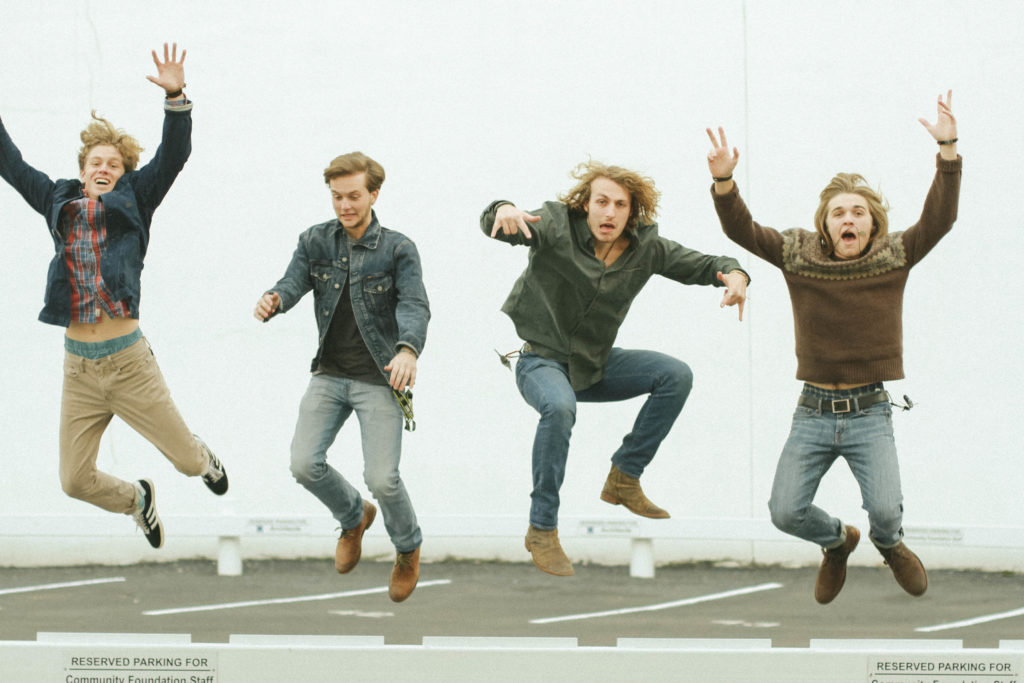
Highlighted by an album release (Bitter Words), a headlining WorkPlay show and an appearance at Sloss Fest, 2017 was an eventful year for hometown favorites Riverbend. On Friday, January 5, the quartet – Stanton Langley, Price Pewitt, Sims Ruffino and Max Simon – returns to WorkPlay Theatre with The Essentialists opening the 8 p.m. show. Advance show tickets are $10 and can be purchased at www.workplay.com.

Shining up the diamond: A conversation with Cowboy Mouth’s Fred LeBlanc

By Brent Thompson

The word “Stalwart” is defined as “Loyal, reliable and hardworking” and it’s a definition befitting of Cowboy Mouth. For more than 25 years, the New Orleans-based band has toured incessantly, packing houses and leaving a trail of satisfied and sweaty audiences along the way. In 2016, Cowboy Mouth released The Name Of The Band Is…, a collection of re-recorded songs including the radio hit “Jenny Says.” On Friday, December 29, the band will return to Birmingham to perform at WorkPlay Theatre. Recently, Cowboy Mouth frontman and multi-instrumentalist Fred LeBlanc spoke with us by phone as his excited young children (after all, it’s Christmas time) played in the background.

Birmingham Stages: Fred, thanks for your time. We are looking forward to getting Cowboy Mouth back to Birmingham.

Fred LeBlanc: We’ve been having a lot of fun in Birmingham the last few years. WorkPlay is a great place to play – everybody can see and everybody can hear. We played a really good show at Otey’s Fest for about 2,000 people. We’d played in Memphis the night before and our guitars had gotten stolen and we didn’t know what we were going to do. We came to Birmingham and people couldn’t have been nicer and arranged for us to rent some guitars for the night.

Birmingham Stages: You still bring incredible energy to every performance even though you’ve earned the right to dial it back at this point.

FL: I’m not worried about looking silly. No matter how outrageous people get at our shows or how much fun they have, they can always look at me and say, “I don’t look anywhere near as silly as that guy.” A lot of my energy comes from basic enthusiasm for what I’m still allowed to do, which is having people come see us and I’m very grateful to be able to still play in a great rock band, tour the country and have a great time doing it. I like to believe that people leave our shows feeling better about themselves, not just the experience. It’s always important to remember that you’re as much a part of the equation as anything. The audience is as much a part of it as I am and if it wasn’t for them, then we couldn’t do that.

Birmingham Stages: Though you’re known primarily as a drummer, you often write on guitar, correct?

FL: I can play guitar, bass and piano, but the songs come to me more or less fully-formed or I’ll have a riff. The riff in “Jenny Says” came to me when I was in a band called Dash Rip Rock and we played it for a little while. There was a John Cougar Mellencamp song called “Rain On The Scarecrow” and I was trying to play the opening riff [hums riff notes] and I hit the wrong thing and thought, “Hey, that sounds kind of cool.” I put a swing to it and there it is.

Birmingham Stages: If you will talk about your latest album, The Name Of The Band Is…

FL: It came out in the last year and a half and we’re getting ready to do another one. That was our “greatest hits” and this one will be our “greatest misses” [laughs]. We’re doing some of the old songs that I wasn’t pleased with in terms of how they were recorded or songs that never got as much attention.

Birmingham Stages: How would you describe your writing process and the manner in which you lay down ideas?

FL: They come to me whenever. The reason a lot of your creative types tend to be crazy is we realize we don’t really do anything – it’s just waiting around for inspiration to take hold. When that happens, you put whatever craft or energy you can to make it better but the diamond presents itself and I shine it up a little bit.

Cowboy Mouth will perform at WorkPlay Theatre on Friday, December 29. Tickets to the 8 p.m. show are $17 – $20 day of show – and can be purchased at www.workplay.com