Book Review: A Love Letter to Muscle Shoals like None Other

By Brent Thompson

As an Alabama-based outlet, we know firsthand the pride that exudes statewide for the musical importance of Muscle Shoals. And while the 2013 documentary Muscle Shoals gave us a film version of the story, there hasn’t ever been a book released that seemed to do it justice. Well, that all changes on November 25 with the release of Land of a Thousand Sessions: The Complete Muscle Shoals Story 1951-1985 (Malaco Records). Author and six-time Grammy nominee Rob Bowman (Soulsville, U.S.A. – The Story of Stax Records, The Last Soul Company) has penned an exhaustive – but never uninteresting – account of the “Hit Recording Capital of the World.” Yes, it clocks in at nearly 800 pages and 30 chapters, but there is a lot to be covered and Bowman does it well. Stemming from interviews with more than 100 key Shoals figures, Land of a Thousand Sessions reminds us that Muscle Shoals – the catch-all name for the tri-city area of Muscle Shoals, Florence and Sheffield – had two distinct musical chapters during its recording heyday. First, soul was the order of the day led by Wilson Pickett, Aretha Franklin, Etta James, The Staple Singers and Percy Sledge. Then, rock and country took over when The Rolling Stones, Bob Seger, Paul Simon, Boz Scaggs, Willie Nelson and Rod Stewart came to town. So, the next time you hear “Land of a Thousand Dances,” “I’ll Take You There,” “Kodachrome,” “Old Time Rock and Roll” and “Tonight’s The Night,” just remember that each song traces directly back to a hallowed – if somewhat unlikely – scene in northern Alabama.

www.malaco.com

The Process of Clarity: A Conversation with David Wilcox

By Brent Thompson

Photo Credit: Lynne Harty

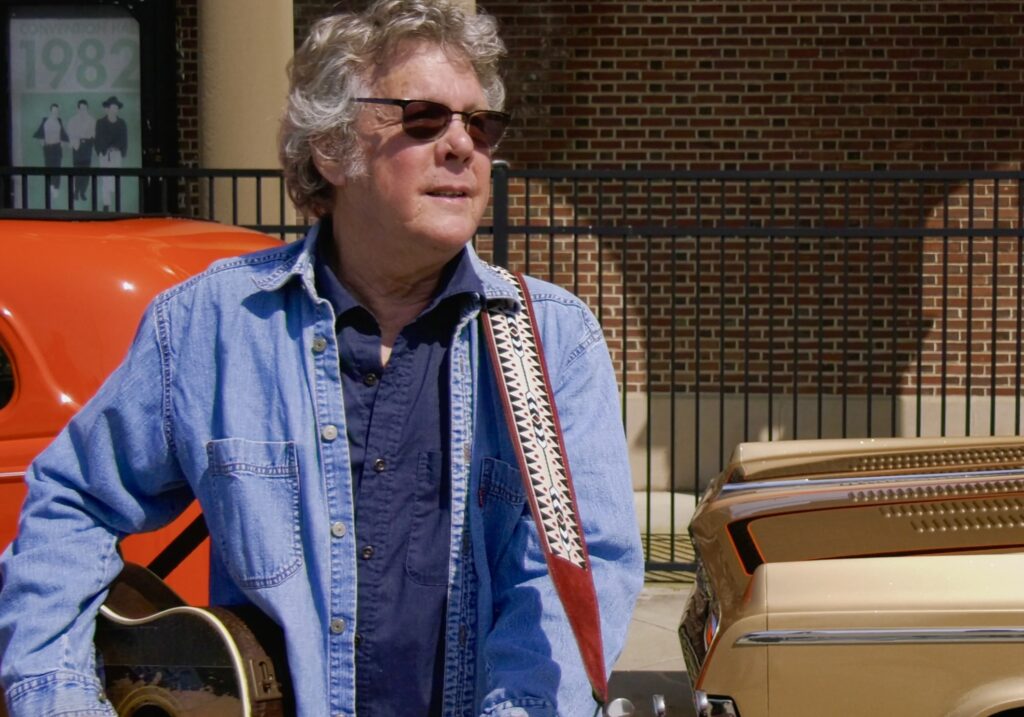
Many artists boast about being in touch with their fans, but David Wilcox has always taken it to the next level. In nearly a 40-year span of recording and touring, the vocalist/guitarist/songwriter has built a loyal fan base like few others. In addition, Wilcox started his “Custom Built Songs” concept several years ago which – as the title implies – finds him writing personalized songs for his fans. In August, he released his latest album, The Way I Tell The Story, on Freshly Baked Records. On Saturday, November 22, Wilcox will perform at the Woodlawn Theatre. Recently, he spoke with us by phone from his Asheville, N.C. home.

Southern Stages: David, thanks for your time. We are really enjoying The Way I Tell The Story. How did the album take shape?

David Wilcox: There’s a lot of new ones and there are about three that are a couple of years old. I love how it came together – it was such a fun project. I listen to a lot of singer/songwriters and every once in a while somebody will come out with a record that’s so good and I’ll think, “Oh man, they must have been through some shit”[laughs]. I listen to my new record and I realize that, “Oh, yeah – it’s my turn.” Life gets tough and music gets good.

Southern Stages: Over what time period was the album recorded?

Wilcox: Probably a year and a half.

Southern Stages: If you will, tell us about the recording process.

Wilcox: I have figured out the best way for me is to play it live and I usually start with that. I record my tracks, sometimes with a drummer. On this record, we recorded some with a little band – some of my favorite players on bass, guitar and drums and that was really fun – the energy was so inspiring.

Southern Stages: Where was the album recorded?

Wilcox: It was recorded here in Asheville at a lovely studio that’s unfortunately closing. It was a great place.

Southern Stages: How would you describe your songwriting process?

Wilcox: I love to start with a conversation. I love to be talking about something with a friend and realize that I don’t have a lot of clarity. To me, the process of writing a song is the process of getting clarity – it’s the process of knowing my heart. It usually starts with an interesting conversation with a friend and I’ll get asked my opinion and think, “I don’t know – let’s see.” I realize that it needs some further discovery.

Southern Stages: If you will, tell us about “Custom Built Songs.”

Wilcox: These custom songs that I’ve been doing for a while are really satisfying to me. A song will come with a need to hold them accountable to something they’ve decided or maybe it’s a healing song about something that happened. When I write the song, I’m listening to their heart and I’m using the skills that I have to try and clarify and maybe see the issue in a different light. It’s given me this window into other people’s lives and it’s very fun.

Southern Stages: When you write a custom song, do you ever get tempted to hold a song back for your own catalog?

Wilcox: There’s one that I’ve recorded so far, but there are probably 60 custom songs – maybe more my now – and I think it would be a great thing to have them on the website with the stories behind them. They’re very different from the usual kind of songs because they are written for one person specifically, so you don’t have to tell the whole story because they kn0w the story. You just have to get to the heart of it.

Southern Stages: How many years has this concept been around?

Wilcox: I think the custom songs have been around for six or seven years.

Southern Stages: Some artists tell me that – given modern outlets such as YouTube, Spotify and satellite radio – this is a great time to be in your position as listeners can access and purchase your music immediately. Other artists say, for those same reasons, it can be a challenging time to be found among the saturation. How do you feel about the current industry climate?

Wilcox: I got really lucky with the timing that I got my record deal. I kind of got the best of both worlds – I have the ability to get that nice ride on the company and get good promotion from A&M (Records) and then, when my career naturally slides downhill [laughs], I have the ability to be in community with the people who found my music and they want to stay in touch and it’s easy for me to stay in touch.

Southern Stages: As a guitarist, are you a “gearhead” that combs music stores while on tour?

Wilcox: I have a real love of getting a fantastic guitar sound and it’s an endless quest. Every time there’s a new thing, I’ll test it out and see if it’s for me. I really love the challenge and practice of finding the best tone I can.

Southern Stages: Even though you recently released an album, do you continue to lay down song ideas?

Wilcox: Definitely. The voice message is the real key for songwriting for me these days. It’s always a steady process. I love the process of writing even more than finishing. I would love to be in the middle of a song rather than having just finished it because the longer I’m working on it, the longer it’s working on me and I love how songs change me.

On Saturday, November 22, David Wilcox will perform at the Woodlawn Theatre. Advance tickets to the 8 p.m. show are $30 and can be purchased at www.woodlawntheatrebham.com. 

Concert Recap: The Lemonheads at WORKPLAY 11-11-25

By Brent Thompson

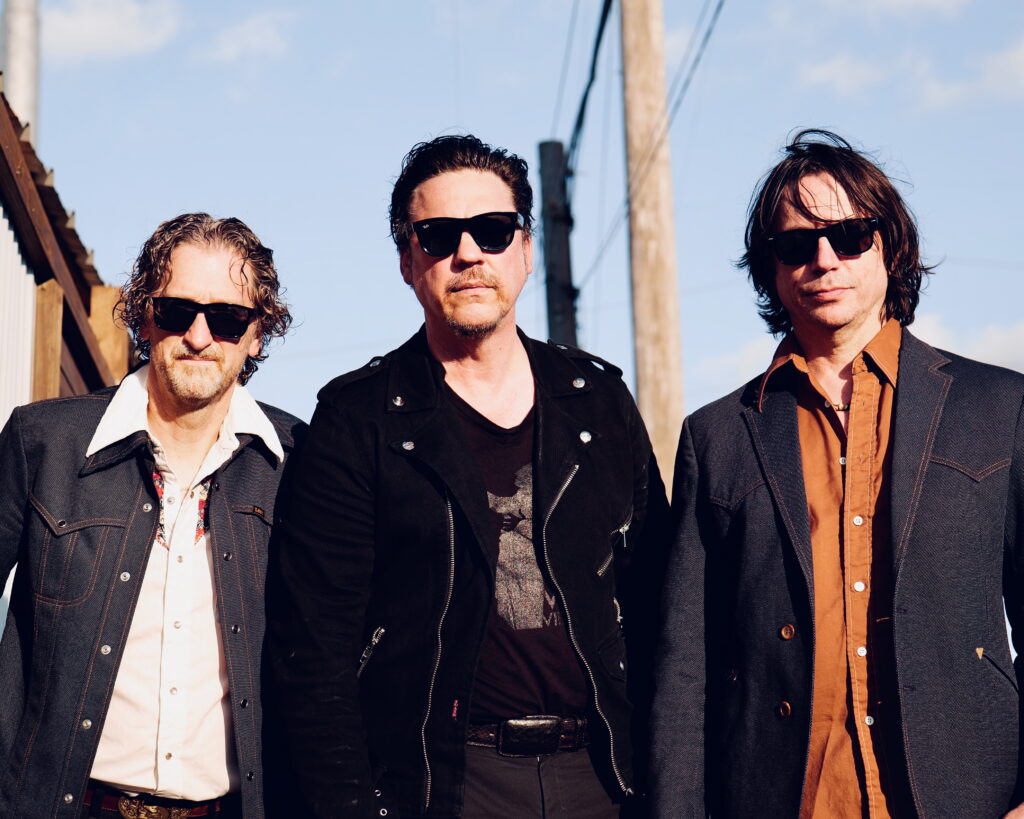
On November 11, The Lemonheads brought the Love Chant tour to WORKPLAY. Over the course of 25 songs, the trio – Evan Dando, John Kent and Farley Glavin – played fan favorites (“It’s a Shame About Ray,” “Into Your Arms,” “Drug Buddy”) alongside material from its latest release (“Cell Phone Blues,” “Deep End,” “In the Margin,” “Togetherness Is All I’m After”). The show also included a five-song set of Dando performing solo. The tour coincides with the release of Dando’s memoir Rumors of my Demise. www.thelemonheads.net

The Ongoing Journey: A Conversation with Joan Osborne

By Brent Thompson

Photo Credit: Laura Crosta

It doesn’t seem possible that Joan Osborne’s debut album, Relish – which included the hit single “One of Us” – is now 30 years old. But here we are and it’s time to celebrate it. On Thursday, November 13, Osborne and Lisa Loeb – who is also celebrating the 30th anniversary of her album, Tails – will perform at the Alys Stephens Center. Osborne has kept busy in her career, both as a solo artist and as a member of Trigger Hippy and Phil Lesh & Friends. Most recently, she and an all-star cast of fellow musicians released the live album Dylanology. Osborne recently spoke with us by phone from her Brooklyn. N.Y. home as she was about to embark on her current tour.

Southern Stages: Joan, thanks for your time. If you will, tell us about Dylanology.

Joan Osborne: It came out in the spring of this year and it’s a live album – Dylanology Live. It’s a recording of myself and the band and some special guests – including Jackie Greene, Robert Randolph and Amy Helm – performing all Bob Dylan songs. The recording was made back in 2018 and I kind of discovered it last year. I listened to it again and said, “Wow, we should really put this out,” so we put it out in the spring of 2025. My last record of original material as a solo artist is (2023 release) Nobody Owns You.

Southern Stages: The Dylanology lineup is incredible – you, Jackie Greene, Robert Randolph and Amy Helm.

Osborne: We had a released a studio version of Bob Dylan songs in 2017 and this was a tour behind that. Rather than just me going out and playing the songs by myself, I really wanted to put together something special so we invited these guests and had a full band – it was really a fun tour. I’m glad we had the presence of mind – or at least somebody did – to record it and it came out sounding really good.

Southern Stages: How did you come across the recording several years after the show?

Osborne: When COVID happened, I did a search through my archives and mostly they were physical archives of CDs and tapes in closets. But I also was checking what I had in the computer and, for some reason, I missed this one at the time during COVID. It got me into the habit of going back and checking what I had. I was looking through the Bob Dylan material that I had recorded and this live thing came up. I’m usually my own worst critic, but I felt like this was really something I could be proud of and there was no reason for it to be sitting in my archives.

Southern Stages: How long did the tour last?

Osborne: It was not a very long tour. It was just a couple of weeks, so I’m glad that we were able to record this show. We also did some shows of Dylan material as a trio and we’ll still do that sometimes. Only a relatively few people were able to see it live, so that was another reason to put the recording out – so that people can try to feel like they were there.

Southern Stages: How did the tour with Lisa Loeb come together?

Osborne: I wish I could take credit for it, but my agent and Lisa’s agent were talking and they said, “This is a moment where both of these artists are having a 30th anniversary of their debut records and the records that most people know them by,” so they saw the opportunity to do this. I had worked with Lisa a little bit in the past and we had sort of run into each other at various times over the years. We were on the same bill at Lilith Fair so we kind of knew each other, but we had never actually toured together. When they brought up this idea, I said, “That’s great – does she want to do that?’ She wanted to do it, so it’s going to be a very unique and once-in-a-lifetime thing to be doing this. I haven’t played some of the songs from the Relish album for many years, so I’m digging back into that record and wanting to celebrate that material and give the fans something special with this tour.

Southern Stages: How will the shows flow? Will you take turns opening and closing the shows? Will you perform onstage together?

Osborne: We did a couple of shows as a trial run back in the summer, and it was one of us coming out first and the other coming out and doing their set. We didn’t have any time to put together a moment on stage where we’re both performing, but I really hope and expect that it’s going to happen with this tour because we’ll have a little more time to see each other at soundchecks and backstage. I think there are some moments where we’ll be onstage together – at least I hope so.

Southern Stages: Your career has included a lot of diverse projects – I think of it as a parallel to Bruce Hornsby’s career. With that said, how do you comprise your live set lists these days?

Osborne: First of all, it’s a great compliment to be compared to Bruce Hornsby – he’s an amazing artist and I really love him. As far as putting together a show, there’s no way that I can touch on everything I’ve done in 30-plus years of my career in one show. We do try to give people the fan favorites and we try to touch on different things. More and more these days, I’m focusing the shows on a particular event or a particular record. On this show with Lisa, it’s the 30th anniversary of Relish. When we are doing some other touring this year, it’s the Dylanology material. For me, it’s a lot easier to focus on a particular theme and that way I can construct a show that really makes sense. I think it’s also cool for the fans because you want people to come back again and again and you want to give them a fresh, new experience every time. I’m continuing to write and record – I’m always exploring and I want people to enjoy that, too, so it’s not just one thing that I do. It’s, “Here’s the ongoing journey and you’re part of it, too. ”

On Thursday, November 13, Joan Osborne and Lisa Loeb will perform in the Jemison Concert Hall at the Alys Stephens Center. Advance tickets to the 7 p.m. show can be purchased at www.alysstephens.org.

Concert Shots: Kitchen Dwellers at Saturn 10-29-25

By Brent Thompson

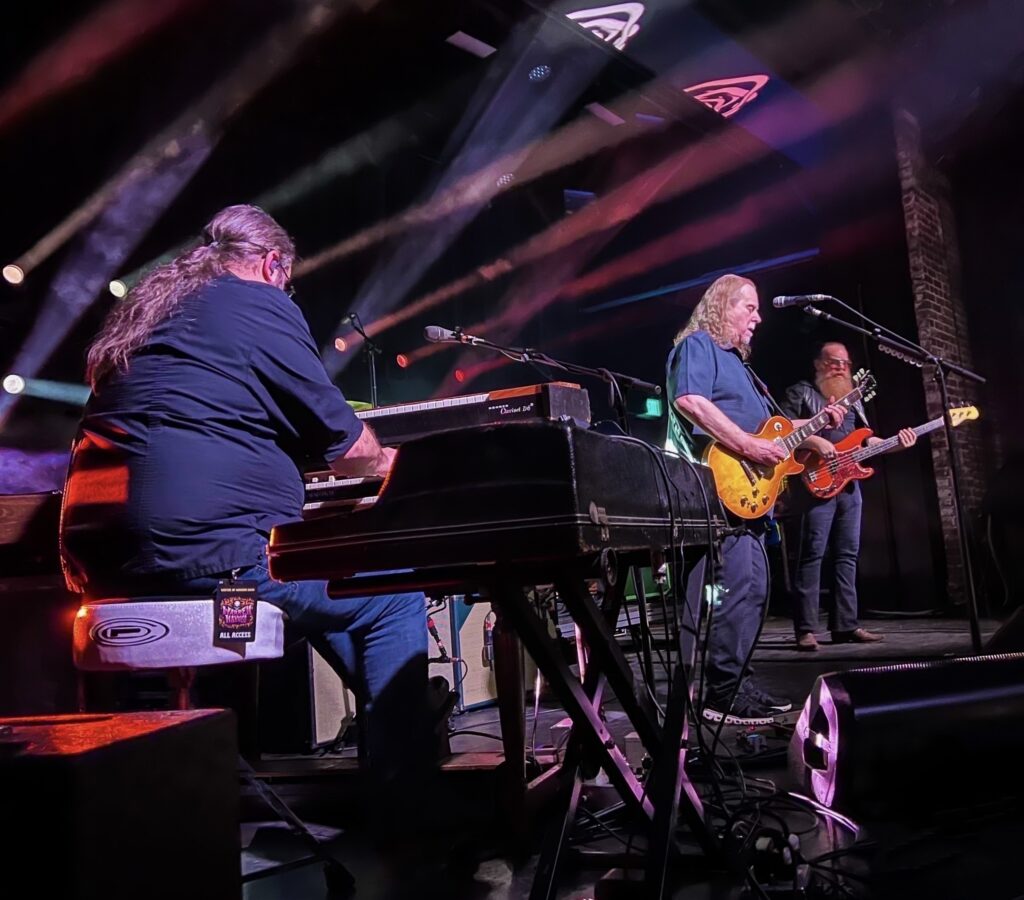
Renowned string Band Kitchen Dwellers opened its current tour at Saturn on Wednesday, October 29. The quartet – Shawn Swain, Torrin Daniels. Joe Funk and Max Davies – is touring in support of its latest and most ambitious release, Dante’s Inferno. Over the course of two sets, the band held the audience in a frenzy. The Kitchen Dwellers tour is extensive with dates already booked into May 2026.

Review: “Folkestra” Ezra Bell Finds a Parade in the Rain

By Brent Thompson

Chin Chin, the ninth album by the self-described “folkestra” Ezra Bell, is a musical love letter to Ben Wuamett, the band’s lead singer and lyricist. Wuamett passed away in 2024 while working on the project that would ultimately become this release. But Chin Chin (ONErpm Records), has more in common with a New Orleans jazz funeral than a death march. Stylistically, the octet is as diverse as ever and its sound is still definably indefinable. Elements of jazz, blues, vaudeville, and rock are poured into a sound that comes through like a street-performing ensemble playing for its collective life. In addition to the buzz that the recent single “Let Me In” has garnered, the album includes the previous single “Tommy’s Lullaby,” released just weeks before Wuamett’s death. In the end, Chin Chin is a collection of songs that sounds reverent and relevant at the same time.


Photo Recap: AmericanaFest 2025

By Brent Thompson

It’s the highlight week of the year for music lovers. Every September, artists, industry folks and fans descend on Nashville for AmericanaFest, an event rife with performances, meetings and plenty of surprises. Any place with four walls and a floor can be turned into a venue and that’s a good thing. This year’s event took place from September 9-13 and we were there to soak it all in.


TrimTab Brewing Brings Music to the Forefront

By Brent Thompson

For more than a decade, TrimTab Brewing Company has offered an impressive array of IPAs, stouts and sours. Now, TrimTab is greatly enhancing its music presence in two different ways. While DJs providing background music have been a constant in the brewery, its revamped B-Side Room provides a space to host national touring acts. In addition, TrimTab’s B-Side Productions houses a recording studio, rehearsal pace and equipment rental company. Recently, we sat down with TrimTab CEO Bill Ritter and B-Side Productions producer and recording engineer Andy Jackson to discuss these exciting additions.

Southern Stages: Andy and Bill – thanks for your time. Andy, when did you come to TrimTab and did your arrival coincide with the music enhancements here?

Andy Jackson: January and yes, 100%. When I first got here, Bill told me he his vision and he wanted to bring music. The first thing I said was, “We can’t bring music here – not until we get it right. For the bands you want to bring, we don’t have the stuff they want.” Now, we have a place for bands to come hang out and a dressing room.

Bill Ritter: No one wanted to play here.

Jackson: We turned it into a venue and we’ve got touring bands coming through. We are working with WorkPlay and other venues and I love the community aspect of it. We have a warehouse and, eventually, I’d like to see that as a bigger venue.  I’m from a punk rock background, but I am definitely a big picture guy. I’m not a jamband guy, but we have a jamband that does really good and the Yacht Rock night was really successful.

Southern Stages: In addition to focusing on live music, you’ve added a recording studio as well. How did that come about?

Jackson: Stephen Gann is a really good friend of Bill’s. I worked at Atomic when they first opened and he was a neighbor of Atomic and we became friends. I was the food and beverage director for the Birmingham Barons for five years. I loved the job and it was high-volume. After that, I got offered a job with East West and I did that for two years. I loved the job but I was burned out. Then I joined the Pihakis Group for a couple of years and then I went to Soho. Gann came in and saw me working there – he runs the Alabama Beer Company – and we started talking. I had just gotten back from a tour and I was ready for a change – I was tired of the restaurant business. I knew that I should be doing something in music. One of my friends that does some stuff for Netflix reached out to me and I signed on and started doing some writing for him for a musical. He said, “Hey, you need to meet this guy [Bill] – he needs somebody,” and we just sat down together and we clicked. Bill said, “If you ever wanted to have your own place, this is it.” I had a lot of gear and this is a great space and they weren’t using it for anything. We came in, got a dumpster and tore everything out.

Ritter: We recently brought some P.A. equipment and lights and it’s available for rental. We are calling it B-Side Productions and we are working on a page on our website to add it. We have P.A. rentals, rehearsal space and the ability to record music.

Jackson: We are trying to generate other ways to make revenue and promote music that we do here. With the B-Side Room, I was responsible for re-doing the stage and lights. It was just a white wall and some crates when I got here [laughs].

Southern Stages: How does your recording studio generate business?

Jackson: It’s mostly word-of-mouth as far as the studio goes.

Southern Stages: Andy, as an accomplished musician and multi-instrumentalist, do you play on sessions or mainly spend your time in the control room?

Jackson: I’m mostly in the control room, but if I can’t explain something to the drummer, I’ll just jump back there and play and I’ll say, “Hey, try this.” Being a singer, I’m a very melody-driven person and people will hire me for that reason. They’ll say, “We have these songs, but they don’t go anywhere.”

Southern Stages: Though state-of-the-art home recording technology exists these days, it can’t be a substitute for a professional and traditional studio like yours.

Jackson: There’s no substitute for this and it’s a lost art. You can’t recreate it in your bedroom. The drums in our room sound like huge, Led Zeppelin drums. Everything you hear now sounds so perfect but it has no character – it doesn’t have any flavor to it. And I can get more done here in 20 minutes than I can in four hours at home. Everything in there is mine – all of the guitars, the Pro Tools rig and microphones. Bill helped out with some painting and sound treatments.

Southern Stages: I assume your studio charges by the hour?

Jackson: Yes, and I like to do flat rates as well.  The first time a band records here, I usually push recording one song. I’ll say, “Let’s do one song so you can see how I do it.” I have fun doing it and I love seeing the excitement from people when we get done. I got into music in the first place because I love the art of it.

TrimTab Brewing Company is located at 2721 5th Avenue South and online at www.trimtabbrewing.com.


Legacy Tunes: A Conversation with Little Feat’s Fred Tackett

By Brent Thompson

Photo Credit: Fletcher Moore

Little Feat has a sound that belies its West Coast roots. With songs like “Dixie Chicken,” “Willin'” and “Oh, Atlanta,” the legendary band has a distinct Southern and swampy sound. Earlier this year, Little Feat released Strike Up the Band (Hot Tomato Records), its 18th studio album. On Tuesday, October 14, the band returns to the Alabama Theatre in a show presented by Coder-R Productions. Recently, we spoke with Little Feat guitarist Fred Tackett by phone.

Southern Stages: Fred, thanks for your time. We are really enjoying Strike Up the Band. How did the album’s material take shape?

Fred Tackett: It’s all pretty much new stuff. We have Scott [Sharrard] and Tony Leone in the band now, so this is the first we’ve had of playing some of the songs that Scott wrote and also a song Tony Wrote. There are a couple of songs I wrote on the record that are brand new. Billy [Payne] had been writing some songs with Robert Hunter of the Grateful Dead, and they were working on those songs when [Hunter] died. So, those are kind of older but the songs that I wrote and Scott and Tony wrote are all brand new.

Southern Stages: Over what time frame was the album recorded?

Tackett: I was just looking at it last night – it was no more than two weeks before the whole thing was done. We were in Nashville, first of all at Blackbird Studio which is a beautiful, very modern studio. Then, we did some overdubbing and vocals at Vance Powell’s home studio. Vance is a great engineer and a great producer. It went real smooth and real quick like the old days [laughs].

Southern Stages: Do songs continue to evolve even after you take them into the studio?

Tackett: They definitely can get tweaked. When we start playing them, someone will come up with an idea and we’ll say, “Yeah, that’s great – screw what we were doing before.” Levon Helm was telling me that when he was in The Band, three or four guys would bring in different arrangements of a song and they would record them all and pick out the one they liked. So, yeah, it’s definitely very fluid in the studio. As a matter of fact, “Too High To Cut My Hair” was one that Scott and I wrote together and I had one idea for a groove and Scott had another for a groove. I was pushing my idea and Scott played his idea and everybody in the band went, “That’s it!” and we did it that way. Everything is up for grabs as we do it.

Southern Stages: With such a large song catalog, how does Little Feat comprise its live setlists these days?

Tackett: Scott Sharrard does it and Paul Barrere did it before he passed because he was singing a lot of them. Scott sings a lot of them and we pace the program to go along with strength of his voice which is always pretty darn good. He’ll say, “I don’t want to do that song right away – I want to wait a little bit until I get my vocals warmed up,” so there are considerations like that. We go through basically what he calls the legacy tunes – “Fat Man in the Bathtub,”  “Let It Roll, “Oh, Atlanta” and of course “Dixie Chicken” and “Willin’.” Now, “Spanish Moon” has become very popular among a lot of the younger kids because they’ve heard Phish and Gov’t Mule do it. We will throw in three or four of the newer songs interspersed among the legacy tunes.

Southern Stages: You mentioned the legacy songs – how do those songs stay fresh to you after you’ve played them hundreds or even thousands of times by this point?

Tackett: We really love these tunes and we are so proud to have this library of great songs. That’s part of the reason Little Feat has manged to last all these years – it’s the catalog. There is a lot of improvising and a lot of soloing and that’s always different, so we don’t feel like, “Oh, we have to do this again.”

Southern Stages: You’ve forged your career in two eras – one based on terrestrial radio, albums and cassettes.  Now, it’s Spotify, satellite radio, Youtube and other outlets as well. How do you feel about the current music industry climate?

Tackett: It’s all about playing live – that’s where you make a living, by touring. It used to be just the opposite. Back in the ’60s and ’70s, it was all about record sales and you toured to amplify your record sales. Right now, it’s all about touring because musicians don’t get paid like they used to get paid. With streaming, the record companies and streaming sites make most of the money and the guys in the band don’t get very much money. The technology is great, so there are both sides and a new band can get lost in the shuffle. We are just lucky that we have 50 to 60 years of playing under our belt and a bunch of people that know us.

Southern Stages: As a guitarist, are you a gear head? Do you continue to search for new equipment or do you tend to stick with what you have?

Tackett: No, I’m the latter. I’ve got this really great Fender amp, two Stratocaster guitars and a mandolin that I’ve been using since the ’80s. We were in the studio and my guitar tech called me from the Fender factory and said, “I’ve got these new guitars – there’s probably a paint mistake or something on them, but one of them is $100 and one is $150. Do you want me to get them for you?” I said, “Hell yeah,” and I haven’t changed anything on them and I’ve been playing them for a bunch of years now and I love them to death. They’re just simple, right off-the-line Stratocasters.

Southern Stages: Over the years, how has your songwriting pattern evolved?

Tackett: It’s usually like studying for your final exams in school. It’s like, “We’ve got to get some songs, guys.” My beautiful wife is always telling me, “You need to be to writing some songs,” but we always kind of wait until the last minute. One of my methods is to collect titles. I’ll get titles and think, “What kind of song would I want this to be? A rocker or a ballad?” and I’ll start working. And sometimes it starts with chord changes and I’ll say, “What kind of words do I want to go over this?”

Southern Stages: Outside of Little Feat, your resume as a session musician is lengthy and distinguished. You’ve worked on recordings by Neil Diamond, Michael McDonald, Dolly Parton, Boz Scaggs and Bob Dylan to name just a few.

Tackett: I was very lucky. I came to Los Angeles at the behest of Jimmy Webb – he’s written hundreds of great songs and he’s probably my favorite songwriter of all time. He got me into meeting Glen Campbell – we are both from Arkansas and we hit it off and became good friends and Glen used me on his records. So, I started getting calls. Lowell George lived next door to my wife and Lowell became a good friend way before Little Feat and he introduced to me people. It was kind of word-of-mouth – that’s how you get popular in the studio. You have to be able to cover everything – you don’t ever know what it’s going to be when they call you for a session. You just show up and be ready for anything. Most of the time, you walk in and the artist could be anybody and you have to be familiar with all kinds of styles.

Code-R Productions presents Little Feat at the Alabama Theatre on Tuesday, October 14. Trey Hensley will open the 8 p.m. show. Advance tickets can be purchased at www.alabamatheatre.com.

When Hard Works Meets a Blessing: A Conversation with Daniel Donato

By Brent Thompson

Photo Credit: Jason Stoltzfus

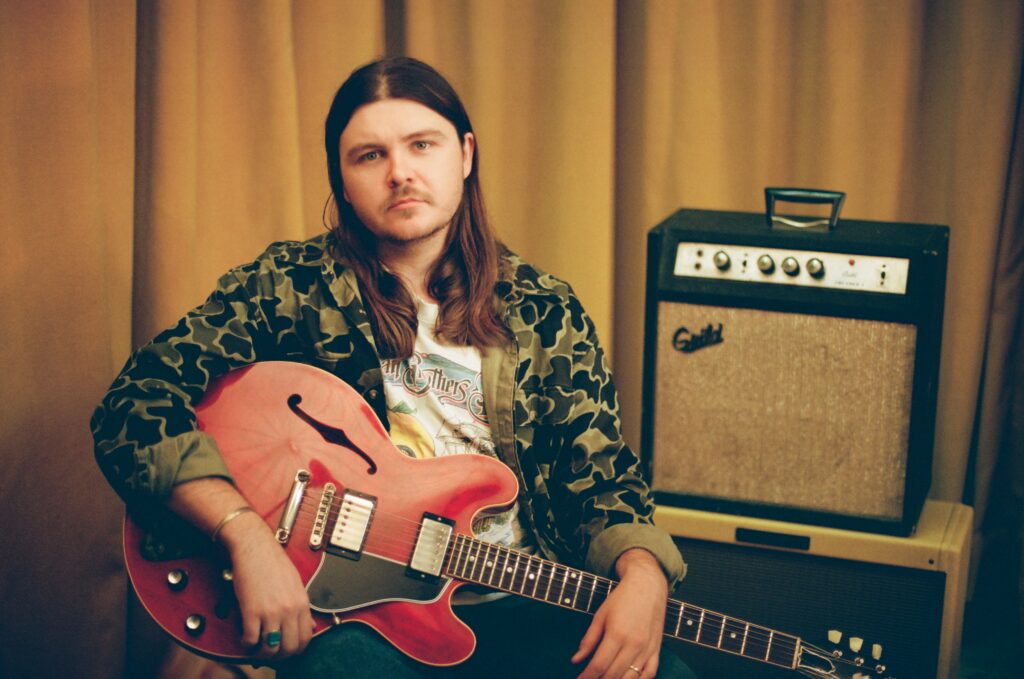
Daniel Donato might have been born a few decades too late given his old-soul musical leanings, but we are glad he exists in the present day. The leader of Daniel Donato’s Cosmic Country, the 30-year-old virtuoso guitarist has had an exciting year that has seen a performance at Bonnaroo and headlining show at the famed Ryman Auditorium. On August 22, his Cosmic Country outfit released Horizons (Retrace Music), a 15-track collection that follows the 2023 release Reflector. On Friday, October 3, Daniel Donato’s Cosmic Country returns to Birmingham to perform at Saturn. Recently, Donato spoke with us by phone as he was set to embark on his current tour.

Southern Stages: Daniel, thanks for your time. We are really enjoying Horizons. Over what period of the time was the album recorded?

Daniel Donato: About two weeks in January of this year – we move fast.

Southern Stages: As a guitarist, are you a gear head? When you’re on the road, are you combing the local music stores?

Donato: I go through phases. Right now, I’m not changing up a lot of stuff but once I year I go through that. I’m not like Joe Bonamassa where I’m always trying to find guitars. It’s really not about the materials so much for me as a guitarist. With that said, I would love to own some early ’50s [Fender] Telecasters and Broadcasters someday. I do love old Martins that have been played for decades. The guitar players that are usually more about songwriting – their mind is more in the realm of music. Guitar players that aren’t concerned with songwriting – their creative spirit usually goes into the rig. I’m always tinkering with my rig, but I’m not buying a lot of new stuff all the time.

Southern Stages: You mentioned Joe Bonamassa – his voracious approach to guitar collecting is unbelievable.

Donato: It’s probably the most intensive guitar collection that any one person has had.

Southern Stages: I would give anything to tour his collection.

Donato: It’s something that he’s expressed to me that he’s going to do one day. He’s going to create the “Bonaseum” when he retires. Joe’s a good businessman – I admire him. I met Joe when I was 16 and he’s been a mentor of mine  for 14 years.

Southern Stages: If you will, talk about your recent headlining show at the Ryman Auditorium

Donato: That was really exciting on a lot of levels – spiritually, psychologically and on a material level – just a lot of energy, clapping, dancing and love. You know, acoustic guitarists love acoustic guitars because that wood is so settled in and there’s been so much time put into that particular instrument. The Ryman is a lot like that – in that room, there has been so much great music played that is so enduring and formative to country music. To have the opportunity to play on that stage and have control over the narrative musically is a real blessing and it was also something that we earned – we worked really hard for it. I love it when hard work meets a blessing – those are the best moments.

Southern Stages: I have been in that building probably a dozen times and every time still feels like that first time.

Donato: There you go. That’s that living spirit!

Southern Stages: You’re a young guy but also and old soul. It’s so impressive that you incorporate the songs of Hank Williams, Marty Robbins and Mickey Newbury – to name just a few – into your set lists.

Donato: That was always the way that I found it – people that loved that music and were playing those songs. They didn’t necessarily write those songs, but they loved them and that’s how I discovered them as well. I feel like I’m just continuing that cycle. A lot of these people have never heard of Marty Robbins. They’ve heard of Hank Williams, but don’t know his songs. That’s a part of America’s history that needs to be celebrated.

Southern Stages: How do you feel about the current music industry climate in the age of streaming, Youtube, satellite radio and other outlets?

Donato: That’s a really complex one and I haven’t had any experience other than this one. I’m sure that when it was harder to make music, there were variables that made it tough to be heard. I’m sure that when Conway Twitty was recording for Sun Records, he had a hard time getting heard because they had Johnny Cash, Jerry Lee Lewis and Carl Perkins. It was like, “Why do we need to push your record when these guys are moving tons of units?,” you know? There is always an above and a below – there’s always a plus and a negative. Now there so much going on with AI and that’s going to create a shadow of some kind.

Southern Stages: You make a great point – artists of the past had challenges of their own.

Donato: With Cosmic Country, we sow our seeds in a field that is populated by a subculture of America. The people that are in our culture and our community – they really love authenticity and they love expression that comes from a true place and has a beautiful and good aim. A lot of times when people come to our shows, it becomes a sacred experience. Secondarily, it’s a communal and fun time. There are a lot of shows that people go to primarily to have a good time and there really isn’t a lot sacred about it. So, I have a lot of faith in that sacred variable.

On Friday, October 3, Daniel Donato will perform at Saturn. Showtime is 8 p.m. Advance tickets to the 18+ show can be purchased at www.saturnbirmingham.com.