Never Sit Still: A Conversation with Billy Strings

By Brent Thompson

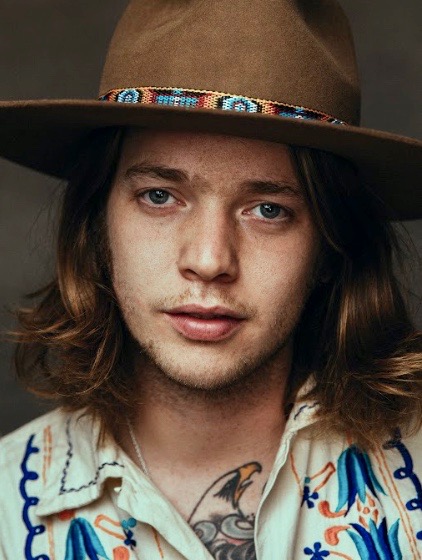
Photo courtesy of the artist

Ever so often, a young virtuoso comes along and reintroduces his or her contemporaries to traditional music woven into the American fabric. Stevie Ray Vaughan breathed new life into the blues, Diana Krall gave us an updated take on jazz and standards, and now guitarist Billy Strings is bringing the sounds of bluegrass to his generation. Strings’ 2017 album, Turmoil & Tinfoil [Apostol], has taken on a life of its own by still charting in 2019. Produced by Glenn Brown (Greensky Bluegrass) and featuring appearances by fellow Nashville-based musicians including Miss Tess, Molly Tuttle, Bryan Sutton and John Mailander among others, Turmoil & Tinfoil rings familiar and fresh at the same time. On Thursday, March 7, Strings will perform at Saturn. Recently, he spoke with us by phone shortly before he took the stage at the Wintergrass Festival in Bellevue, Wa.

Birmingham Stages: Billy, thanks for your time. Have you performed at Wintergrass before this year?

Billy Strings: I’ve played this festival – it’s been quite a while. We’re doing soundcheck here in about an hour and play a set around 4 and our last set is around 11:00 tonight.

Birmingham Stages: We are enjoying Turmoil & Tinfoil.

Strings: I appreciate that – it’s been kind of crazy. I made that album two years ago and it’s still on the bluegrass Billboard charts, or at least it was last week. We have made a new record since then – it’s probably going to come out this fall – but I’m just glad that thing seems to be getting the longevity. Two years later people are still going, “Hey, that’s a great record.”

Birmingham Stages: How did Turmoil & Tinfoil come together? Were the songs written in a creative burst or had they been around for a while?

Strings: I think probably more of the latter. I had a few of those tunes and two of the songs I wrote while we recorded the session. A few of them I had a year before we went and recorded, but once we started recording I squeezed out two more songs as well. So, it’s a little bit of both. We played “Meet Me at the Creek” live, but we try to keep the songs under wraps ’til the album comes out.

Birmingham Stages: With the touring and promotion for Turmoil & Tinfoil, has it been challenging to find time to write new songs?

Strings: Absolutely – it’s been very difficult. It’s not difficult in a negative way. We play so many gigs and I’m never home and I never sit still. I’m always in an airplane or van or loading in or doing a soundcheck or something. There’s never a moment for me to try to write a song, so it’s hard to find that time. I carve it out every once in a while. [In writing] some of the songs for the latest record, I told my agent, “These 10 days right here – this is all mine. I’m not playing gigs – I’m going to be writing songs.”

Birmingham Stages: From the outside looking in, it seems that the bluegrass scene is a true musical community. Is that a fair assessment?

Strings: Yeah, absolutely. I think that’s the cool thing about bluegrass. Everybody’s normal and they’re not big stars that are too cool to talk to anybody. Everybody’s normal and they play guitar or banjo.

Birmingham Stages: You’re based in Nashville these days, correct?

Strings: I’m from Michigan and I live in Nashville.

Birmingham Stages: I’m sure you’ve seen a lot of changes in your adopted hometown since you moved there.

Strings: I have – isn’t that crazy? I’ll be on tour for a couple of weeks and I’ll come home snd see a whole new building pop up that wasn’t there before.

Birmingham Stages: You enlisted the help of several Nashville musicians for Turmoil & Tinfoil. How does that process typically work? Does the guest fit the song or does the song fit the guest?

Strings: It might start with the instrument – “Oh, I could hear fiddle on this.” And then I go to John Mailander and he’s a great fiddle player. He ended up playing on a bunch of stuff. Bryan Sutton – that’s a good example of how it happens because of the song. I needed a guitar track – something to showcase flatpicking guitar – and Bryan Sutton is my hero and he’s an inspiration and a mentor. I thought how cool it would be to have him play on it.

Birmingham Stages: If you will, talk about working with Glenn Brown as producer.

Strings: He’s made quite a few records up in Michigan for a lot of my friends – not just Greensky Bluegrass – but he also made stuff with Joshua Davis, Steppin In It, Airborne or Aquatic?, The Go Rounds. These aren’t bluegrass bands – Glenn knows how to take a bluegrass band and record them like a 1970s rock and roll band. He has all that old gear and he’s kind of a wizard.

Billy Strings will perform at Saturn on Thursday, March 7. Showtime is 9 p.m. Advance tickets to the 18+ show are $12 and can be purchased at www.saturnbirmingham.com.

Concert Shots: Tedeschi Trucks Band at Ala. Theatre 2-28-19

By Brent Thompson

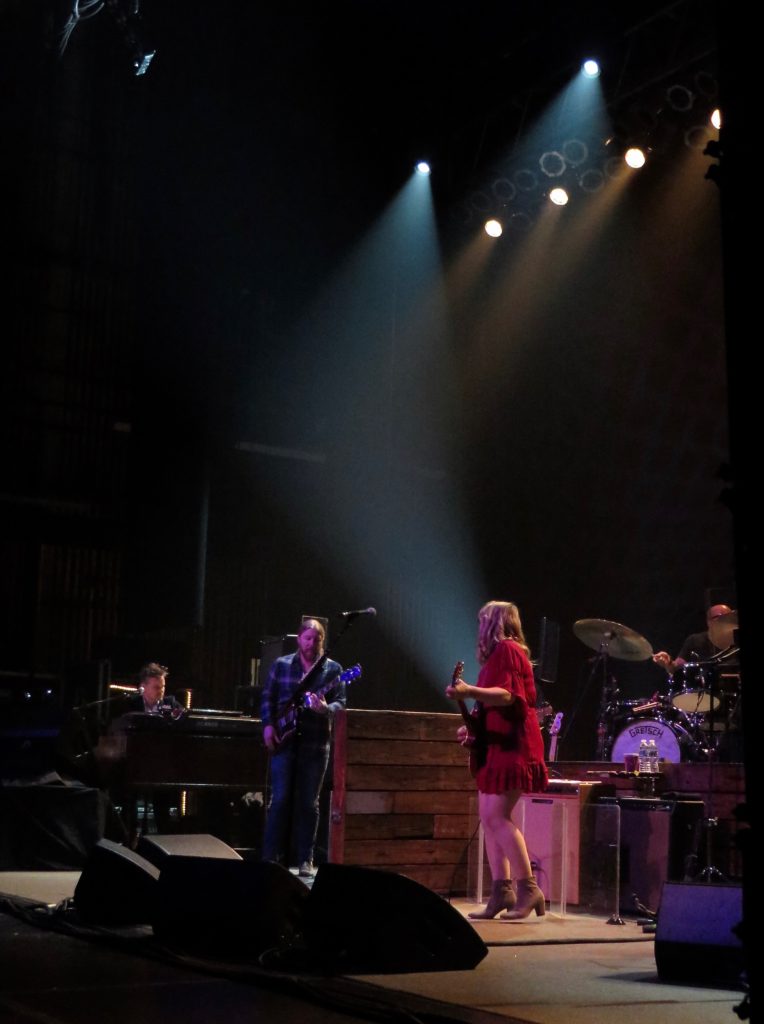
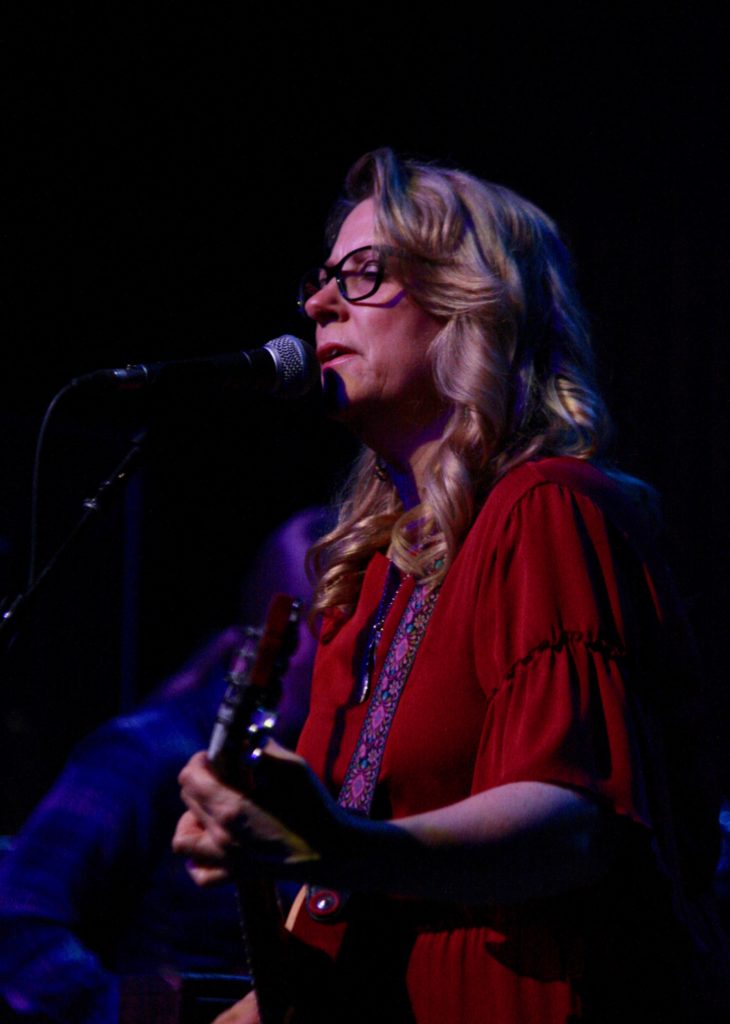
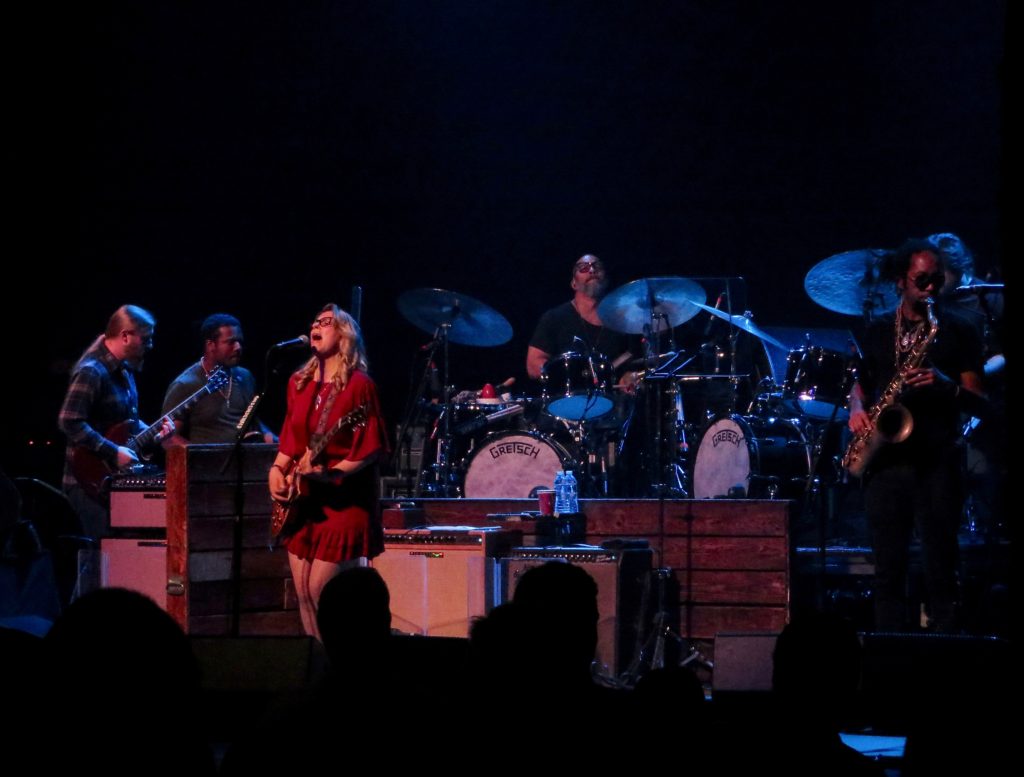
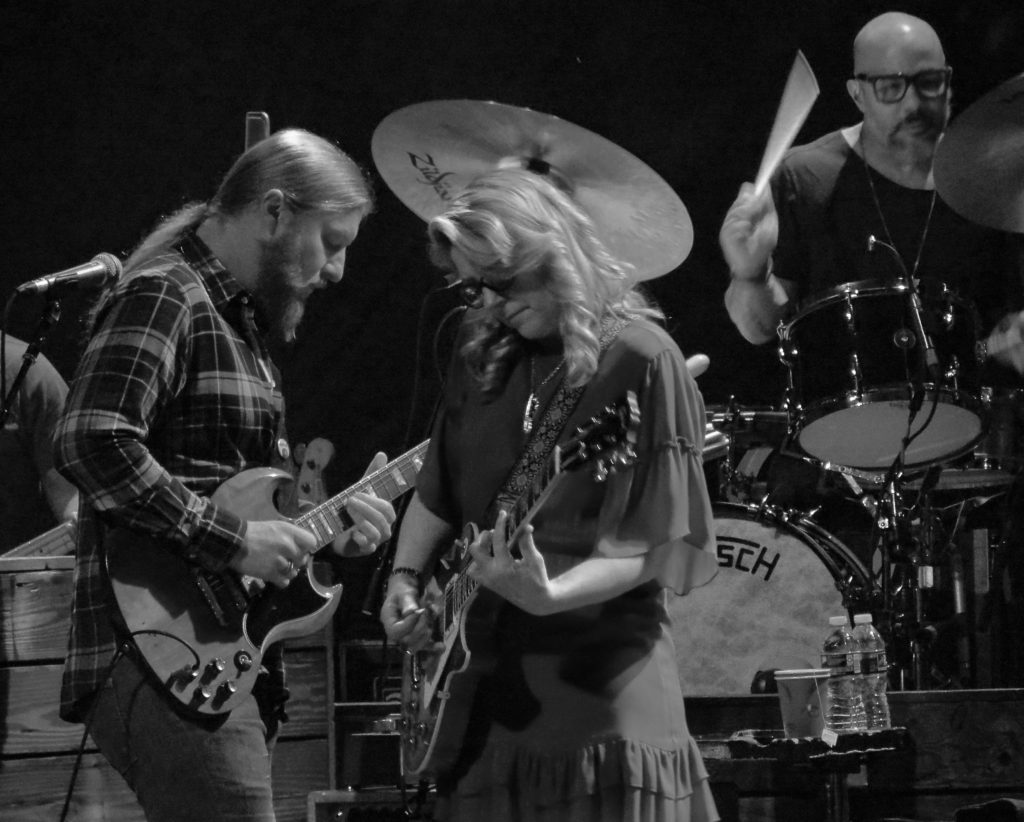
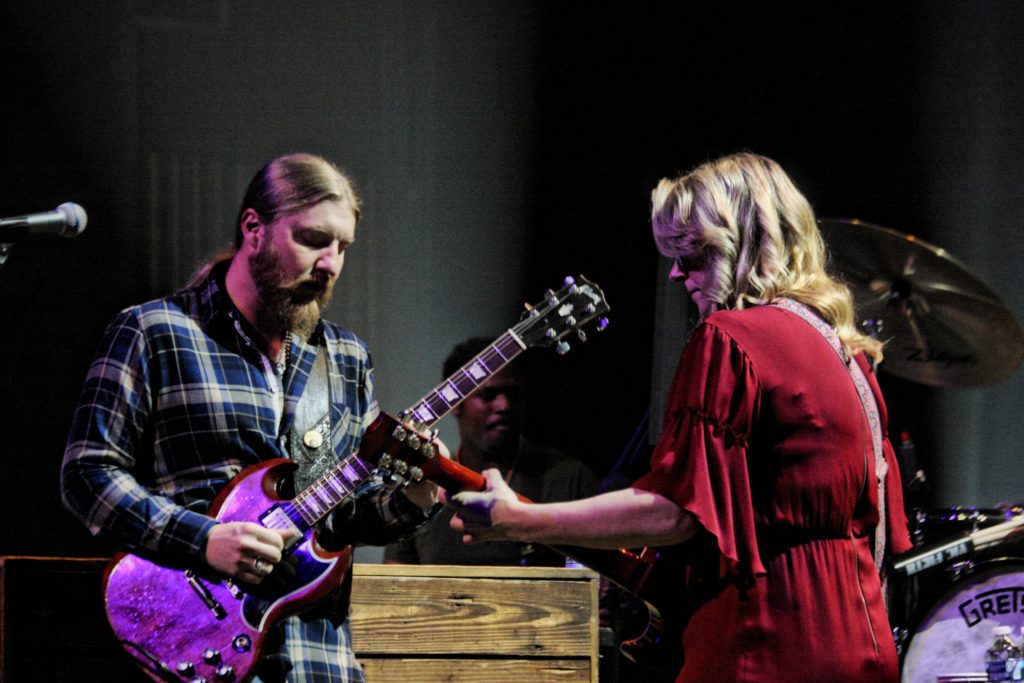
On February 28, Tedeschi Trucks Band weaved a mixture of rock, blues, soul and funk into a style of its own at the Alabama Theatre. With flowers placed stage side in honor of recently-deceased band member Kofi Burbridge, the band played two lengthy sets in front of a packed house. We were there to capture the magic that unfolded.

Tedeschi Trucks Band Performs at Alabama Theatre

By Brent Thompson

On Thursday, February 28, Tedeschi Trucks Band – fronted by married guitarists Susan Tedeschi and Derek Trucks – will perform at the Alabama Theatre. The band comes to town with a collective heavy heart as TTB’s keyboardist/flautist Kofi Burbridge passed away on February 15. On that same day, the band released Signs [Fantasy/Concord Records], an 11-track collection that – in foreboding fashion – deals with loss, reflection and redemption. Expect a night of timeless music, lengthy jams and a flood of emotions being poured across the stage. Tickets to the 8 p.m. show can be purchased at www.alabamatheatre.com.

WorkPlay Presents: The Music & History of Leonard Cohen on February 23

By Brent Thompson

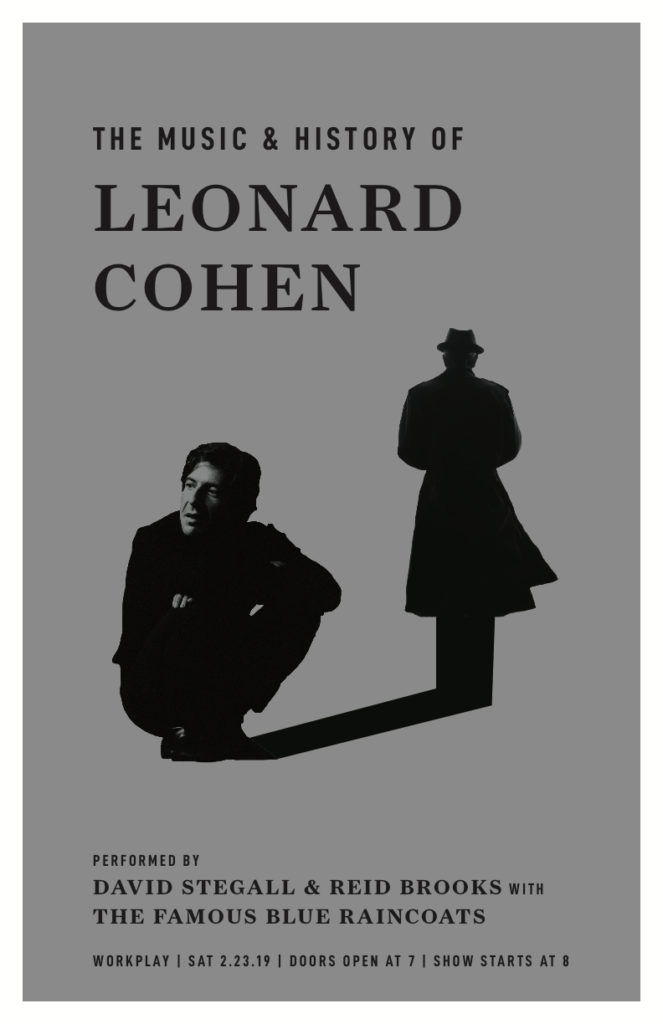
Many music lovers are familiar with Leonard Cohen’s “Hallelujah” (and Jeff Buckley’s renowned cover version of the enduring song), but Cohen’s catalog of material runs deep and wide. On Saturday, February 23, WorkPlay Presents: The Music & History of Leonard Cohen. The tribute to the Canadian singer/songwriter – who passed away in 2016 – will be performed by David Stegall and Reid Brooks with The Famous Blue Raincoats (Chase Arrington, Rebecca Egeland, Taylor Hunnicutt, David Lambert, Andrew Malinoski and Johnny Hicks). Advance tickets to the 8 p.m. show are $18 and can be purchased at www.workplay.com.

Austin Stalwart Jeff Plankenhorn Performs at The Nick on Feb. 19

BY BRENT THOMPSON

Photo Credit: Todd Wolfson

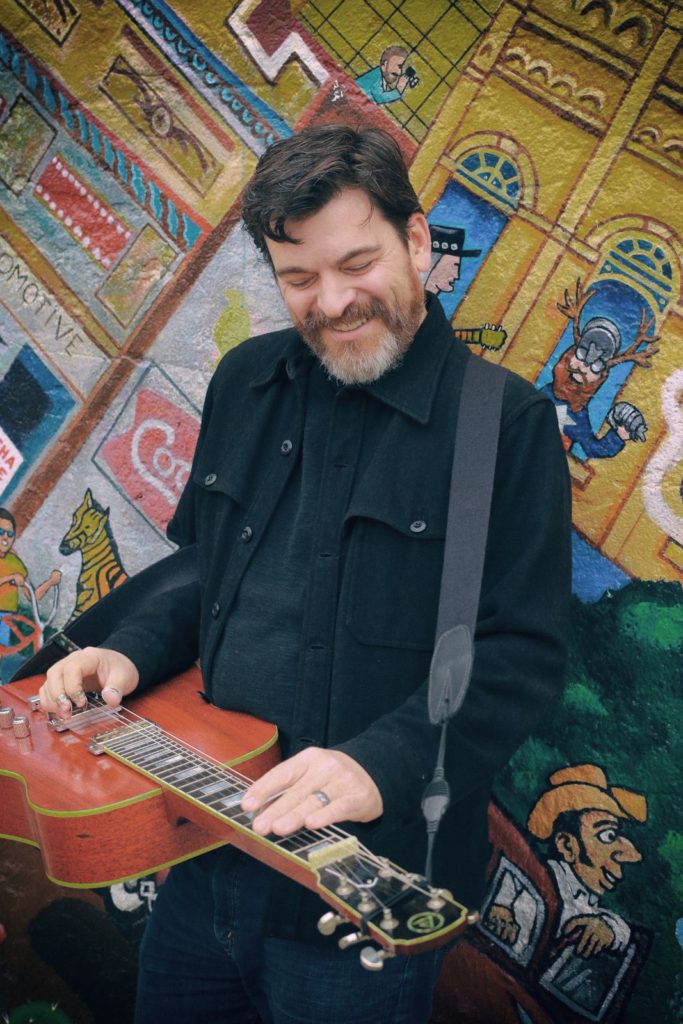
Guitarist Jeff Plankenhorn divides his time between his burgeoning solo career and being a first-call sideman and session guitarist. The Ohio native has built quite a name and reputation among the musical community in his adopted hometown of Austin, Texas. Adept on many stringed instruments, Plankenhorn has even designed his own guitar called “The Plank.” In 2018, Plankenhorn released Sleeping Dogs, the follow-up album to his 2016 debut SoulSlide. Co-produced with Austin legend “Scrappy” Jud Newcomb, Sleeping Dogs features appearances by Patty Griffin and Ray Wylie Hubbard. On Tuesday, February 19, Plankenhorn will perform at The Nick. The SBGs will open the 10 p.m. show. Advance tickets are $6 – $8 day of the show – and can be purchased at www.thenickrocks.com.

Ready Freddie: A Conversation with Black Jacket Symphony’s Marc Martel

BY CAREY HEREFORD

Photo Credit: Kevin Herrington

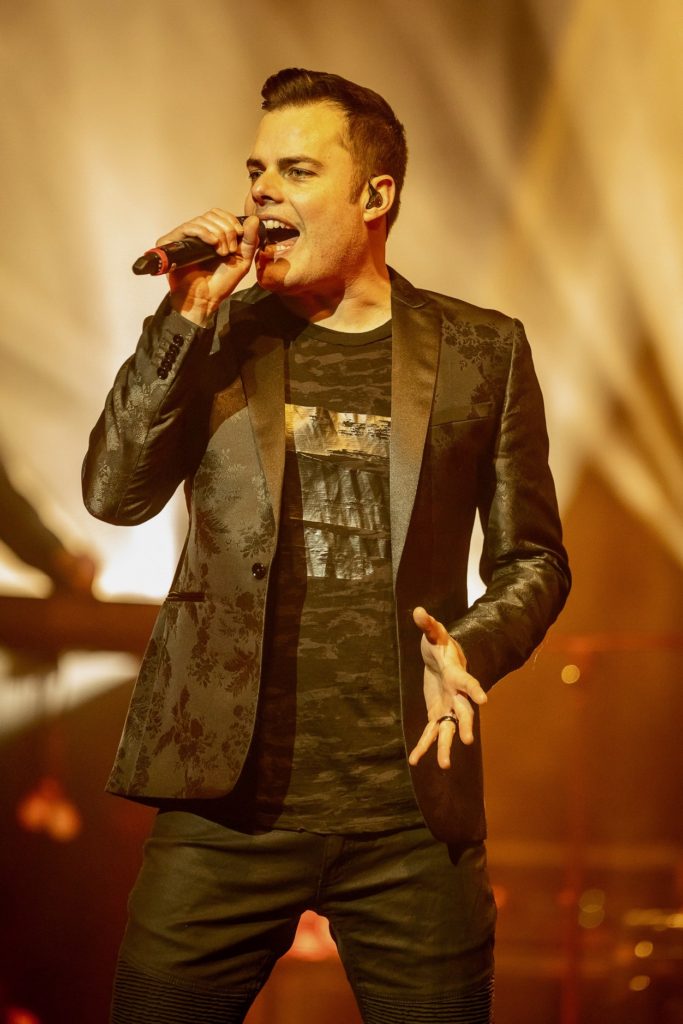
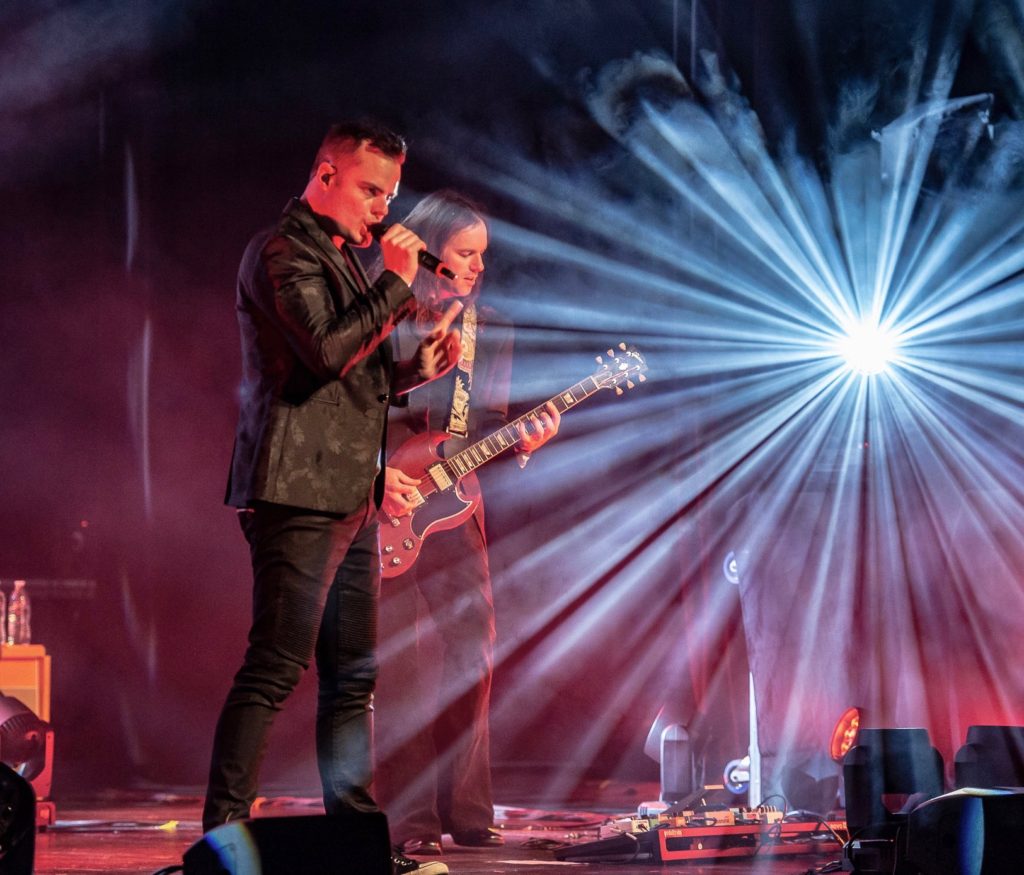
Marc Martel never thought his career would ever be centered in the world of tribute bands. With vocals sounding similar to legendary Queen frontman Freddie Mercury, the Nashville-based singer was tasked with the job of recording the vocals for the Oscar-nominated and Golden Globe-winning Queen biopic Bohemian Rhapsody. These days, Martel fronts the Black Jacket Symphony’s new project Queen: A Night at The Opera. On Saturday, February 23, the renowned tribute ensemble will bring the album’s sounds to the BJCC Concert Hall. Recently, Martel spoke with us by phone about his experience with Black Jacket Symphony and the career path that led him there.

Birmingham Stages: Marc, thank you for your time. Why do think that tribute bands are more prevalent and high-profile these days compared to 10 or 15 years ago?

Marc Martel: I got involved when I saw an advertisement for when Roger Taylor of Queen was starting a tribute band called “The Queen Extravaganza.” I decided to audition and got the part for the singer and that opened up a whole new world for me. We ended up doing a whole tour of Europe and North America. But nowadays it has become so common – like apparently there is a Pink Floyd cover band that sells out areas consistently in Australia.

Birmingham Stages: Do you perform the Queen songs as they were recorded or do you change them to make them more of your own?

Martel: That depends on which band I am playing with. I am obviously with Black Jacket Symphony and a tribute band of my own called the “Ultimate Queen Celebration.” The goal of the Black Jacket Symphony is to reproduce the album’s sound as best as possible and the second part we start to let loose a little bit and have more fun with the arrangements. On the first part, that is where I will stick to the script. I do not explore different ways in that part of the night. When I am with other bands, it can have a more of a free-flowing feel. You have to find new ways to keep these songs fresh every night and still give liberty to Queen and the songs themselves. I know people come to hear how they listen to these songs and then see that live.

Birmingham Stages: Which song on the Black Jacket Symphony setlist do you think is performed best live so far?

Martel: “Under Pressure” – that song holds a special place in my heart because I get to share lead vocals with somebody. There is just a really fun camaraderie built in that song because there is such an interesting chemistry built into that song. But, all in all, I think it puts out a positive message. You know, “Fat Bottomed Girls” may not be my favorite Queen song, but to the audience it really gets people on their feet so that’s really awesome every night.

Birmingham Stages: How did you get the role of recording the vocals for the movie Bohemian Rhapsody?

Martel: Well, like I said, I have had a relationship with Queen ever since 2011. I’ve worked closely with them for several years now. So when the movie was finally funded, they needed someone to do the vocals for the parts of the recordings that were lost or could not be used. So that’s how I fit into the mix, when the movie got green lit they reached out to me and asked me if I wanted to be a part. That part and my involvement was such a huge honor to me.

Birmingham Stages: What was your reaction to Bohemian Rhapsody winning a Golden Globe for Best Motion Picture and being nominated for a Oscar?

Martel: It was pretty crazy. You know, when the movie was made that was my first time being involved in the movie industry in any shape or form. There were whispers of Oscar nominations before the movie was even out yet which blew me away. I was thinking it through logically – Queen is one of the biggest bands to this day. On top of that, Freddie Mercury was one of the best performers of all time. So if any musical biopic is going to do well, it would be this one. This is because you cannot go anywhere on this planet where people haven’t heard of Queen. So I already knew it had potential to do really, really well. Just to talk with all of the producers and people on the set and knowing how dedicated they were to this movie. Just when that much passion goes into a movie like that, you just know it is destined to do very well.

Birmingham Stages: Whose music influenced you growing up?

Martel: Well, I remember growing up my main memories of music were being alone in my bedroom waiting for a certain song to go on the radio with my tape recorder. When that song would come on, I would record it and then later try to mimic the vocals the best I could. Especially with George Michael’s music – I was a big fan of him. I grew up doing music mostly in church – that was a huge part of my formation as a musician. My father is a pastor, so I was on stage whenever I wanted or sometime when I did not necessarily want to either. I really dove into music in the early ’90s, and that is when grunge hit really hard. I was huge fan of Pearl Jam, Jeff Buckley, and Richard Marx. Richard Marx was the one who inspired me to try a more raspy voice.

Photo Credit: Rob Hereth

Birmingham Stages: How did digging deep into the lyrics and foundation of these songs change your perspective of Queen’s music?

Martel: When I started listening to Queen’s Greatest Hits, to be honest I did not love the lyrical content at first. Maybe because before this I was in a Christian band for 13 years and all of our content was meant to inspire. Even when we dealt with darker subjects, there was always a light at the end of tunnel. But, that is not the case with all of Queen’s music, maybe on the surface though. It took me awhile to really appreciate the lyrical content. Now I have a better understanding, there maybe a little bit more and it helps knowing Roger and Brian a little bit, too, as well as knowing more about Freddie’s personal story helps appreciate that much more.

Birmingham Stages: Is there anything else you would like our readers to know about you and your career?

Martel: I just would like them to know that I have some records of my own. There is a Queen covers album I just put out recently called Thunderbolt and Lightning. It is my own take on some of the Queen songs that are my favorites. As well to check out my social media and all of that good stuff!

The Black Jacket Symphony will perform Queen’s A Night At The Opera at the BJCC Concert Hall on Saturday, February 23. Tickets to the 8 p.m. show can be purchased at  www.blackjacketsymphony.com.

The Underlying Sound: A Conversation with Papadosio’s Billy Brouse

By Carey Hereford

Photo courtesy of the artist

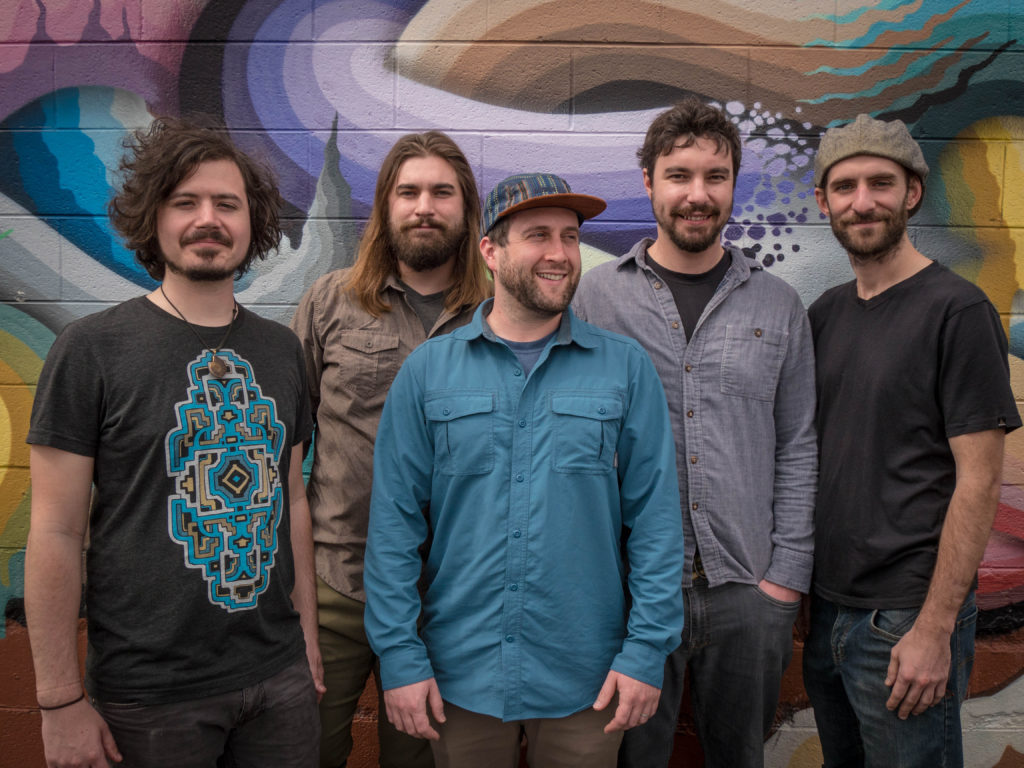
In a career spanning more than a decade, Papadosio has built a dedicated fan base. With the release of its fifth studio album Content Coma last September, the quintet has put both its songwriting skills and genre-bending versatility on display. On Thursday, February 14, Papadosio will perform at WorkPlay Theatre. Heavy Pets will open the 8 p.m. show. Recently, we spoke with Papadosio keyboardist/vocalist Billy Brouse by phone.

Birmingham Stages: Tell us about the writing process for Content Coma​.Billy Brouse: Well, we went a little different route than we did with the album before this one. There were no lyrics on the last album – it was all pretty much electronic. With this album it is full-length – we used these programs called Splice and Ableton. Splice is a program that we all have access to songs we are working on and are able to make our own changes and edits and it saves as a new track, as well as giving feedback and a easy way for all of us to learn our parts if we are not all together. This program is really amazing – the future is just so cool now. We also got together sometime to hash things out, but the studio of the future is just so endless nowadays.

Birmingham Stages: Why might Content Coma be considered Papadosio’s best album to date? What makes this one different from the rest?

Brouse: I don’t know if anyone considered it the best – Content Coma is different I guess. It’s hard for me to categorize them as different because they all have the same underlying sound. I think this one sounds more polished because we usually do everything ourselves, all of the recording and mixing and everything. This time we got to go to a really nice studio and record some of the parts for this one so it sounds a little bit different. But I would say this one sounds the best.

Birmingham Stages: How is the music scene in your hometown of Athens, Ohio?

Brouse: Well we are all from around Ohio, but we all met each other in Athens. Athens only has one college there, which is Ohio University. There is a big bluegrass and indie scene there, as well as a pretty good bit of jam bands there, too. I would say Athens has the cool and most diverse scene in Ohio as far as colleges go. But we used to have an excuse to stop there but now there are not any venues which kinda sucks.

Birmingham Stages: How do you make your songs stay fresh after playing them night after night?

Brouse: Well, we do not ever repeat a setlist – I have never ever done that. So that ultimately makes every show different. We have about 90 songs to choose from our whole career, but even after having a different setlist we do not play the same song the same way every time. We will change the way they are played in the middle of the show. We usually talk about it, but sometimes it can just happen and small parts will change. We also rework some of our older songs – we will put a new version out and play that.

Birmingham Stages: How do you define your genre of “space rock”?

Brouse: Yeah, I don’t know. I thought I made that up, but I did not realize space rock is an actually genre. So I have been trying to tell our PR team to stop using that [laughs]. I thought it meant to me that we play rock and roll and then take it way into outer space sometime. It will come back but it is not always straightforward. I thought that was a good definition for space rock, but apparently there is a whole ’70s space rock actual thing. I guess our genre is progressive rock and roll.

Birmingham Stages: How did Papadosio form?

Brouse: It would have been 12 or 13 years ago in Athens, Ohio. There was this thing at a venue called open jam night, which was a open mic type of thing for jam bands. Everyone had a bunch of instruments and we would jam out and it was great. So a couple of us started going consistently and playing together in a rotation, and it felt great. Then from there we came to the decision to start a band.

Birmingham Stages: What has been Papadosio’s biggest challenge as a band so far?

Brouse: Being gone on the road for a long time really sucks. I mean it is really fun at the beginning – and I love playing shows – but when it gets to a month and you’ve been gone, it can get a little bit tough on us. So we try not to do that as much anymore unless we really have to. Also, just trying to not play too many shows but at the same time to play enough. So far it has been weird to find the line you are supposed to ride. We could play all the time, but we can just get a little bit burned out sometimes. The whole social media aspect has kinda been daunting. It really sucks sometimes to read a bad comment or a bad review. But we have realized that is just part of being in a band.

Birmingham Stages: How do you think music has changed in general since Papadosio formed?

Brouse: Obviously, social media has been one big thing that we have had to adapt to as well as Spotify becoming a way for music to be put out there easier. [Funk band] Vulfpeck especially – they saw a huge opportunity and ran with it and have made a huge impact that way. We grew up with Myspace, and I do not know how we would have done anything as a band without Myspace. So we were right there in the beginning when that happened and it was nice for us. But since then, Spotify has come about and there was nothing like that when we had just formed. That alone has changed everything with being able to put music out. Youtube has also been the same way – it could greatly help you as a band and could also bury you. Also, the rise of EDM [electronic dance music] has changed concerts and festivals so much.

Coder-R Productions Presents: Papadosio with Heavy Pets at WorkPlay Theatre on Thursday, February 14. Showtime is 8 p.m. Advance tickets are $22 – $25 day of the show – and can be purchased at www.workplay.com.

Shooter Jennings Returns to Huntsville on January 24

By Brent Thompson

Photo Credit: Jimmy Fontaine

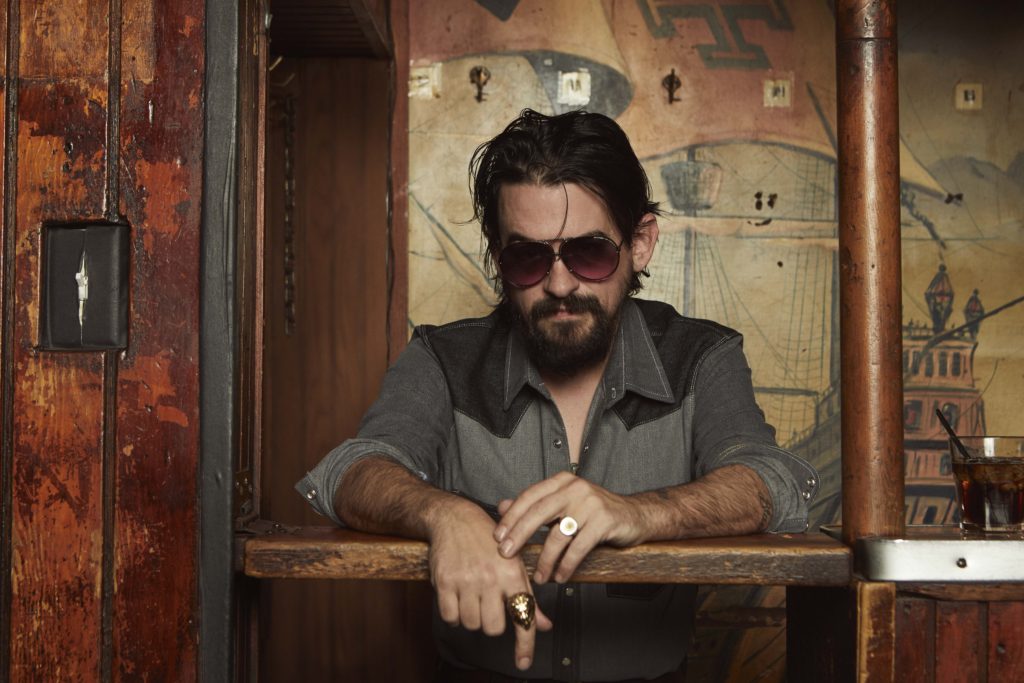
In an uncompromising recording career that spans 14 years, Shooter Jennings has been fighting the good fight to keep outlaw country music and Southern rock alive. His latest release, Shooter [Low Country Sound/Elektra] is no exception. Reuniting with producer Dave Cobb (Jason Isbell, Chris Stapleton, Sturgill Simpson), the singer/songwriter recorded the album in Nashville’s historic RCA Studio A on Music Row. On Thursday, January 24, Jennings will perform at Huntsville’s Sidetracks Music Hall. Them Dirty Roses and Andrew Pope will open the 7 p.m. show.

In addition to his recording career, Jennings has pursued acting as well as hosting Shooter Jennings’ Electric Rodeo on Sirius XM’s Outlaw Country channel. He co-produced Brandi Carlile’s album By The Way, I Forgive You, currently nominated for six Grammy Awards including Album Of The Year.

Full details for the January 24 show can be found at www.hsvsidetracks.com.

The Right Vibe: A Conversation with The Steel Woods’ Wes Bayliss

By Brent Thompson

Photo Credit: Alysse Gafkjen

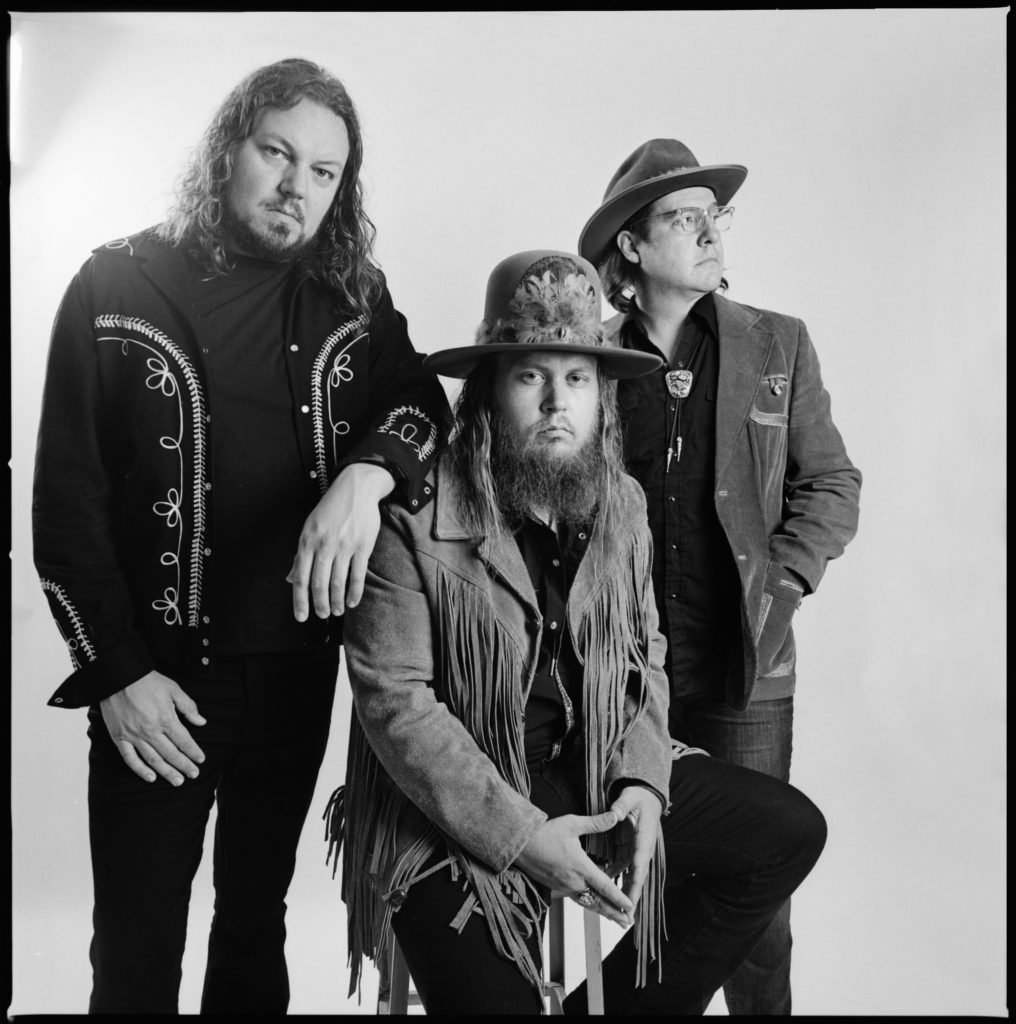
The term “Southern music” recalls sounds of rock, blues, R&B, bluegrass, country and folk. In other words, definable and indefinable at the same time. The Steel Woods – Wes Bayliss, Jason “Rowdy” Cope, Jay Tooke and Johnny Stanton – play a timeless-sounding brand of music that befits the South and its musical heritage. On Friday, January 18, the Nashville-based quartet will release its sophomore release, Old News [Thirty Tigers]. The band will make two appearances in Birmingham this month – an in-store performance at Seasick Records on Thursday, January 17 followed by a headlining show at Zydeco on Friday, January 25. Recently, Bayliss spoke with us by phone while on a Christmas break in Florida.

Birmingham Stages: Wes, thanks for your time. You guys have an upcoming cruise gig [Southern Rock Cruise]. Is this your first time to do so?

Wes Bayliss: We did a cruise last year – the Kid Rock Cruise – and I’d never been on a cruise before that and it was a lot of fun.

Birmingham Stages: The cruise concepts – Blues, Jamband, Southern Rock and so forth – have become popular.

Bayliss: From what I hear, we wouldn’t be able to get tickets if we weren’t playing [laughs].

Birmingham Stages: We are really enjoying Old News. How did the album’s body of material take shape?

Bayliss: It’s kind of all over the map – that’s how I start most of my answers [laughs]. There’s no one real way – there’s a few [songs] that had been ideas for a while and a couple of them were brand new ideas that happened all at once. Some of them just came together right at the last minute.

Birmingham Stages: Do songs still get tweaked at the last minute even as you’re in the studio recording them?

Bayliss: I’ve said a few times that this record is a lot more premeditated and we sort of knew what we wanted when we went into the studio, but then it’s never exactly what you thought or exactly what you pictured. It’s pretty easy to change your mind about something when you’re in there actually putting it on tape.

Birmingham Stages: How does your specific writing process work?

Bayliss: I have ideas that I just write down and if I’m going to write with somebody, I will pull them out and go back and forth. Compared to other folks – if I write with somebody – they’ve got a book of ideas and that’s not really how it works for me. I try to bring something to the table, but mostly if I have an idea I’m going to write it. When I come up with something, it’s not very long until it’s a song. I rely on other guys for ideas a lot of the time – Rowdy and the other guys that I work with.

Birmingham Stages: When you write with Rowdy, is there a pattern that develops? For example, does one person focus more on lyrics or melody than the other?

Bayliss: There’s no real pattern – he’s a guitar player, so a lot of times he’ll have a melody and I’ll try to tweak it. He’ll have loads of lyrics – he’ll bring a song to me sometimes and it’s mostly done and I’ll see if I can do anything with the words and put my thing on it.

Birmingham Stages: You’re an Alabama native, correct?

Bayliss: I’m from Randolph County – an hour and a half southeast of Birmingham.

Birmingham Stages: How long have you lived in Nashville?

Bayliss: Five years.

Birmingham Stages: You’ve witnessed some serious changes in Nashville since you moved up there.

 Bayliss: Good grief! I’ve gotten to where I don’t even go to Nashville anymore unless I’ve got to. I live 30 miles outside of town, so it’s closer for me to go to Dickson which is a town just a little bigger than Roanoke, where I’m from. But yeah, it’s a completely different town in just the time I’ve been there. Johnny’s been there 15 years. It must have been like Urban Cowboy when he got into town.

Birmingham Stages: Even though you live in an area that has a large concentration of musicians, is there a community feel to it or are you all busy going in different directions?

Bayliss: Until I had kids, it was very much like a community. Me and the wife would go out and everybody pretty well knows everybody. There’s something to be said for the vibe of living around loads of musicians and people you can learn from and look up to and who look up to you. I’ve got two kids now and when I’m home, I’m mostly home.

Birmingham Stages: The Steel Woods sound is very timeless and Southern-influenced. Do you strive for a certain feel in your songwriting? How would you sum up your band’s style?

Bayliss: We’re not putting a whole lot of work into a particular sound – it’s just what we’re doing. When we’re writing, we want to get the right vibe for the song. I really like stories. Even though the days of music videos have come and gone, I think of that stuff and I try to write words that will make you think of a music video and we don’t even have to film one.

65 South Presents: The Steel Woods at Zydeco on Friday, January 25. Josh Card will open the 9 p.m. show. Advance tickets to the 18+ show are $12 and can be purchased at www.zydecobirmingham.com.

The Steel Woods in-store performance at Seasick Records will take place on Thursday, January 17 at 6 p.m.


Bread Crumbs for My Kids: A Conversation with Alejandro Escovedo

By Brent Thompson

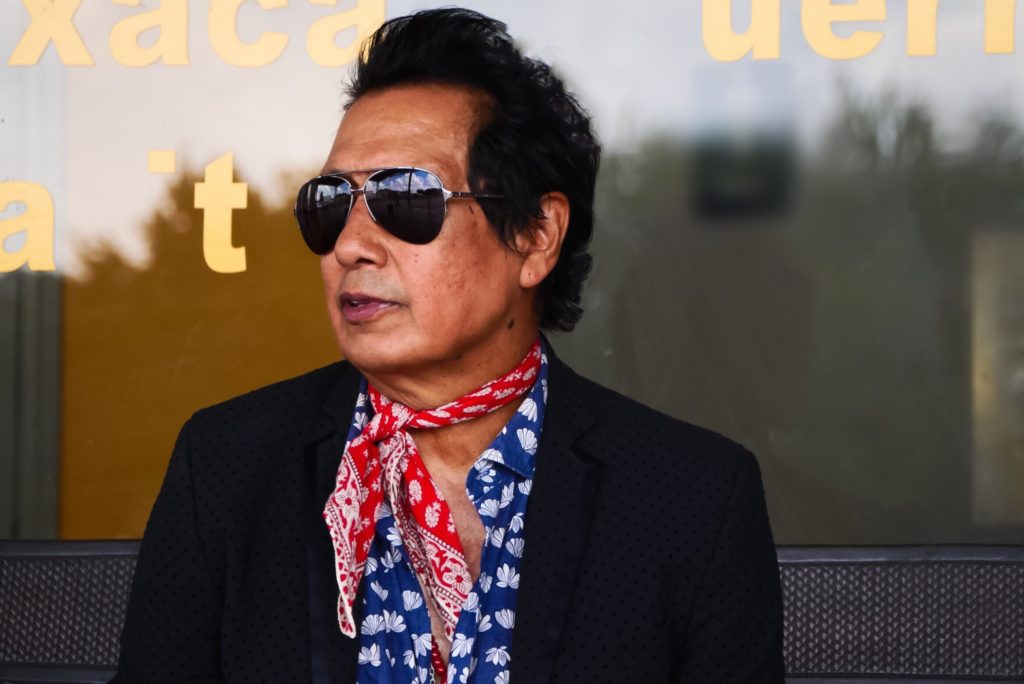
Immigrant’s son, husband, father, tireless rock & roller, survivor – all of these descriptions define Alejandro Escovedo. Born into a musically-rich family, the 67-year-old singer/songwriter has woven his life experiences into a catalog of songs that is fresh and timeless at once. In September, Escovedo released The Crossing [Yep Roc Records], an album that documents the immigrant experience over its 17 tracks. Centered around two fictional characters, Salvo and Diego, The Crossing addresses the current state of our nation while touching on Escovedo’s own family heritage. On Tuesday, January 8, Escovedo will perform at Saturn. Cured of the Hepatitis C that plagued his life and career for many years – and now living in Dallas after a long stint in Austin – the stalwart musician recently spoke with us by phone.

Birmingham Stages: Alejandro, thanks for your time. I can only imagine the number of phone interviews you’ve done over the years.

Alejandro Escovedo: Believe me, when they stop I’ll be complaining [laughs].

Birmingham Stages: If you will, talk about your adopted hometown of Dallas.

Escovedo: I love it, man. I’m really having a great time. I live in a wonderful place surrounded by great people and a lot of musicians. Change was good for us – we’re happy.

Birmingham Stages: What prompted your move from Austin to Dallas?

Escovedo: There were a lot of things involved. We had been in that hurricane and we were dealing with PTSD and I was just about to start medication to get rid of the Hep C. Austin had become very expensive, very different. My wife had a job here working on a movie – a TV series called Queen of the South – and it was only supposed to be for four to six months. But when we first got here, I began taking that medicine which was a six-month program and I got rid of it here in Dallas. Things started to brighten up for us and it became a good place to be. We’re very happy.

Birmingham Stages: I assume the present state of our nation fueled the subject matter of The Crossing. With that said, had documenting the immigration experience been in your plans long before the writing and recording of this album?

Escovedo: I’ve always written about my family and my father was from Mexico, so he was an immigrant. I wrote a play called By the Hand of the Father that we took on the road. It’s always been part of my writing process – it’s where I go. Family’s always been important – the journey of my family to America and everything my dad did in order to provide us with the things he did. The things we experienced as a result of growing up in the ’50s, ’60s and ’70s has always been part of my story.

I think that on this record we really narrowed it down and focused on these two young men who were looking for a different America than what my father was looking for when he crossed. These young boys are coming across the border to look for an aesthetically-open America. The story is different but the journey is much the same. It’s not just about crossing the border – it’s about these young boys’ transformation from young men to men. Salvo is killed in America and Diego contemplates if the trip was even worth it at a certain point. So, The Crossing really represents different types of transformations in their lives.

Birmingham Stages: Were the songs on The Crossing newer compositions, older songs or a mixture of both?

Escovedo: I wrote this with [Italian musician] Don Antonio and Antonio Gramentieri is his name – we wrote it together. We talked about it when we were touring Southern Italy. He came over maybe six months later and we spent almost a month driving around Texas – the backroads – talking to a lot of Dreamers in this area around Dallas. We came up with 17 pieces of music by the time he had left. We had an outline of the story and it wasn’t until I went to Italy – I was there for about a month – that I wrote all the lyrics to the songs. So, it really kind of came quick but it was a story that was embedded in our psyche, too. A lot of what these songs represent is what Antonio and I have gone through in our lives.

Birmingham Stages: You mentioned in an interview with Rolling Stone that The Crossing also serves as a letter of sorts to your children.

Escovedo: I think all of my albums and songs have been like bread crumbs for my kids to discover a little bit about myself that they’re not aware of. I’ve been a hard traveler for many years – 45 years – and we’ve always been on the road. That’s the way artists like myself make their living. So, you’re gone a lot. I missed a lot of little league games and school events and things like that. The only method I have of communicating with them are these songs. My father was a storyteller and the stories that he told me helped me understand who he was as a boy and how that led to him becoming a man and my father. Hopefully, these songs will bear the same kind of gift.

Alejandro Escovedo will perform with Don Antonio at Saturn on Tuesday, January 8. Showtime is 8 p.m. Tickets to the 18+ show are $25 – $40 and can be purchased at www.saturnbirmingham.com.