
By Brent Thompson
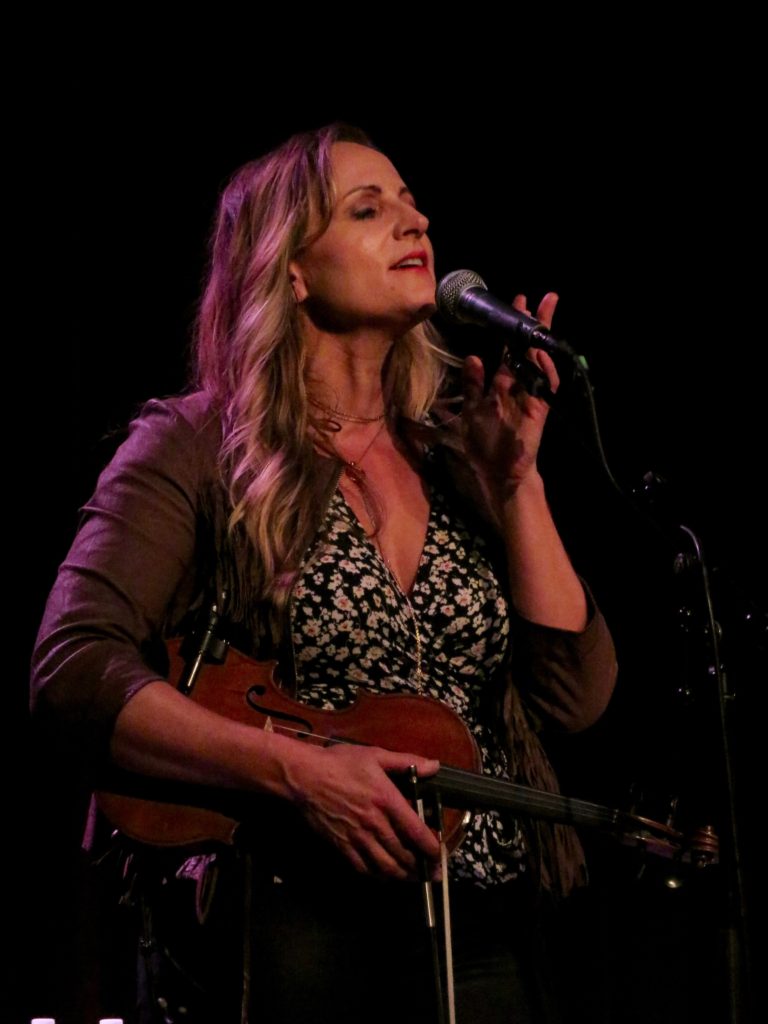
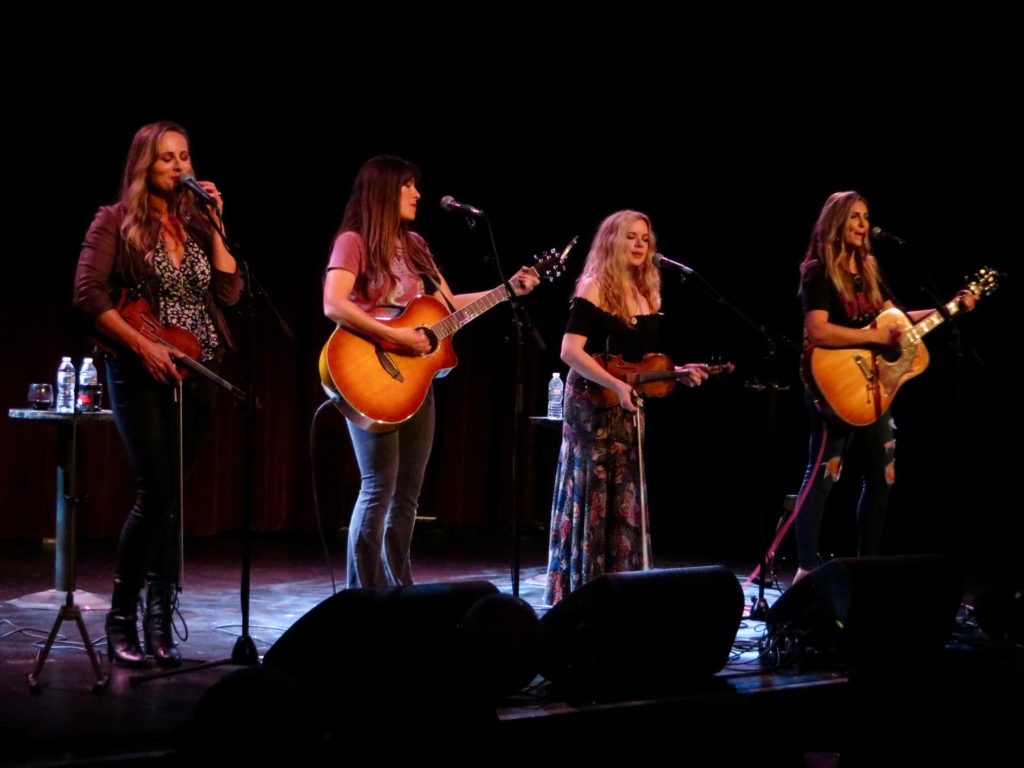
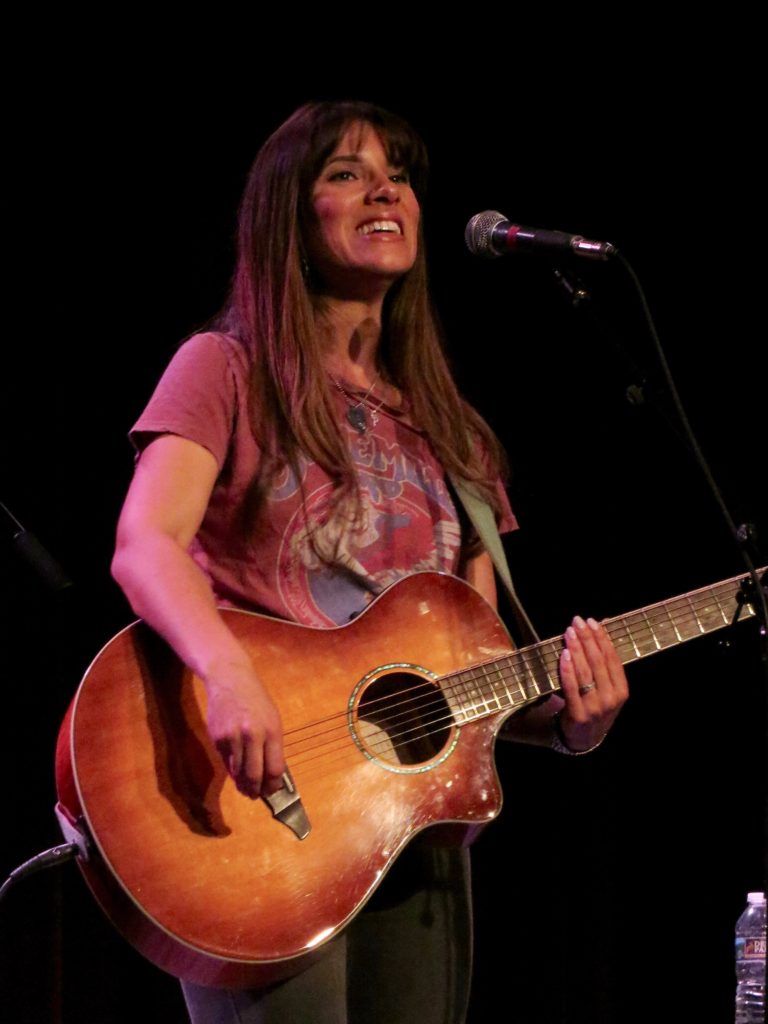
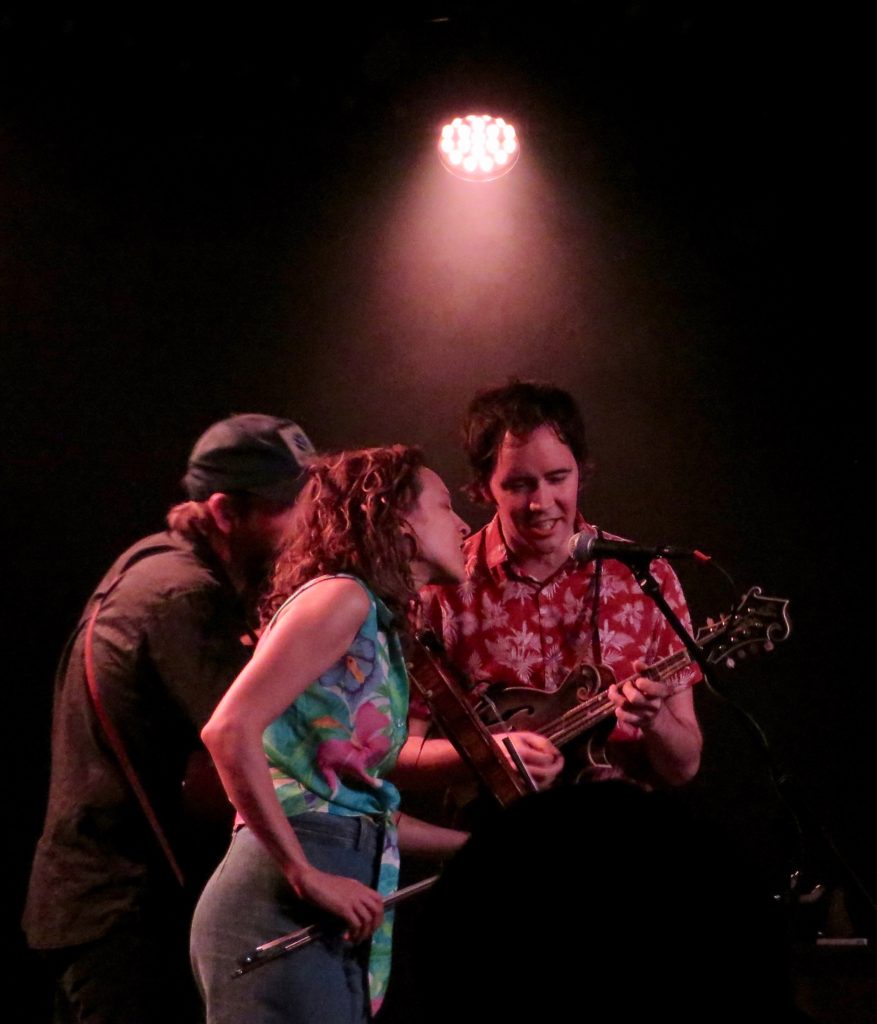
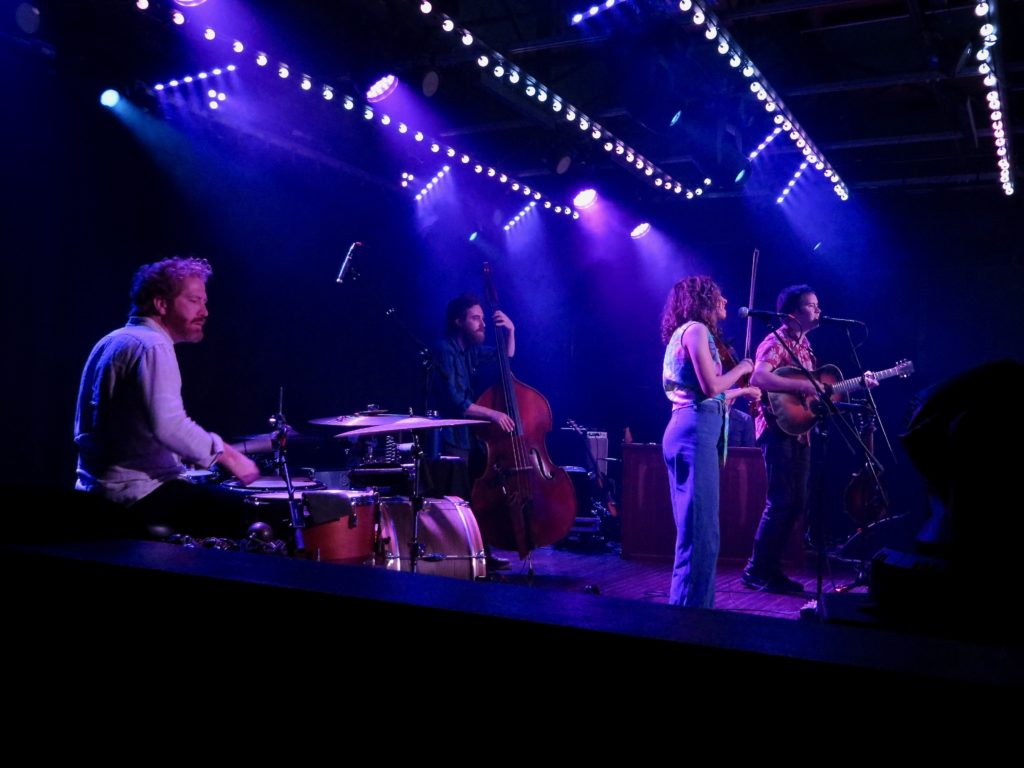
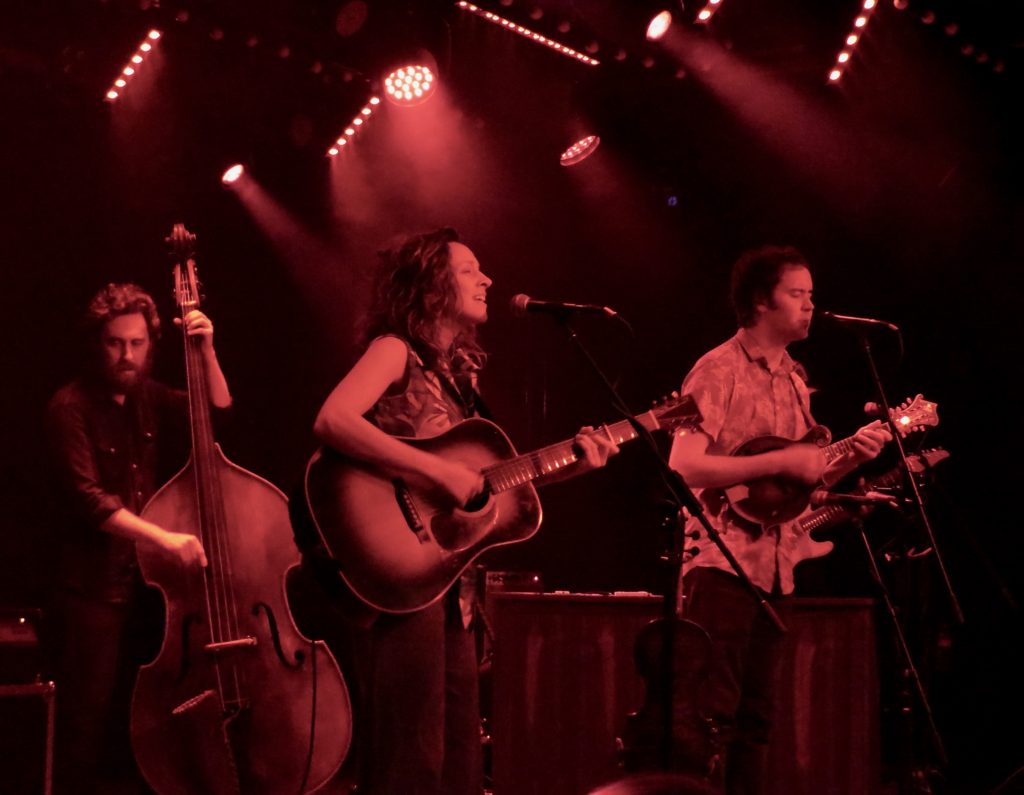
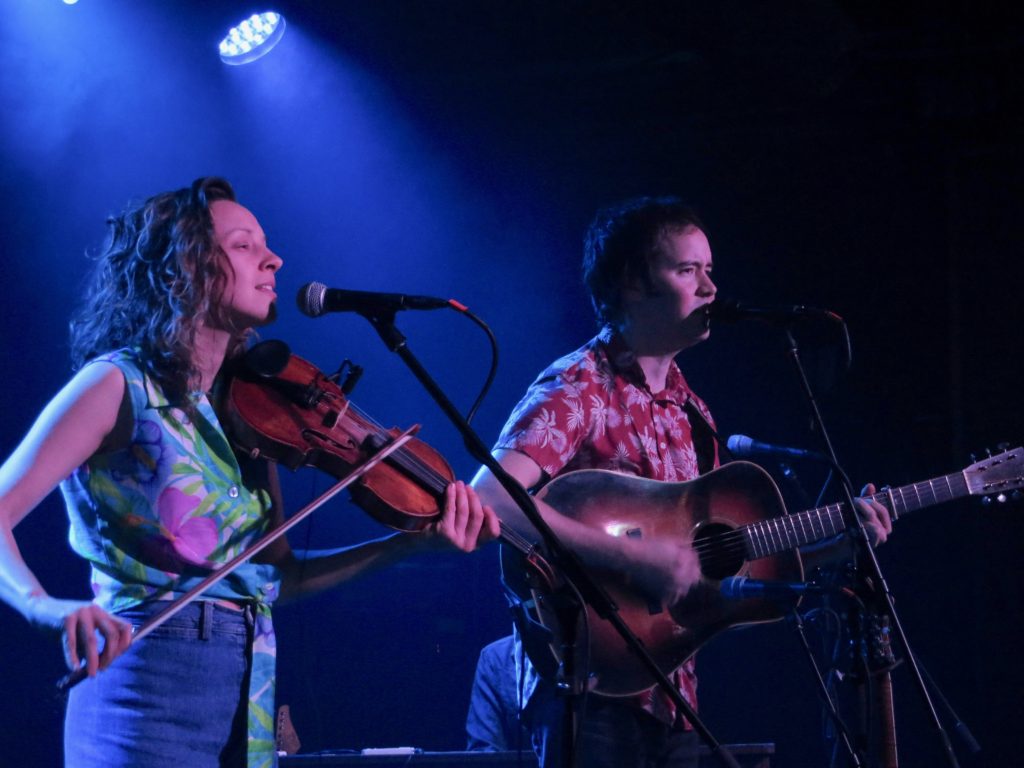
Four-part harmonies, catchy melodies and lively stage banter – yep, Farewell Angelina is back in town.

Four-part harmonies, catchy melodies and lively stage banter – yep, Farewell Angelina is back in town.


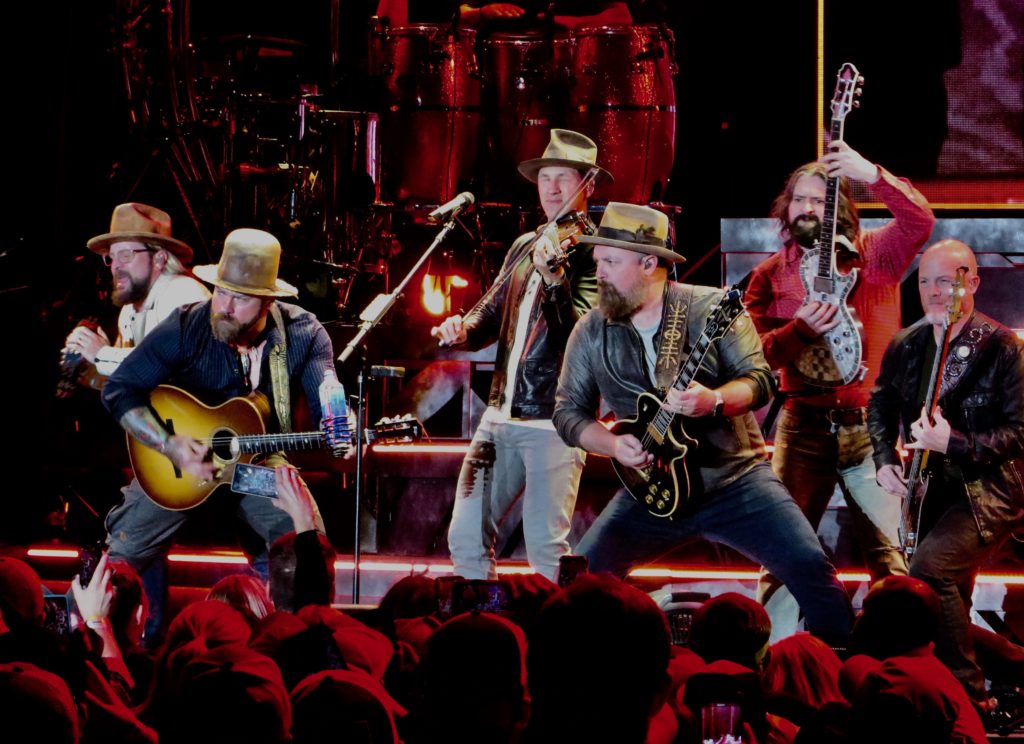
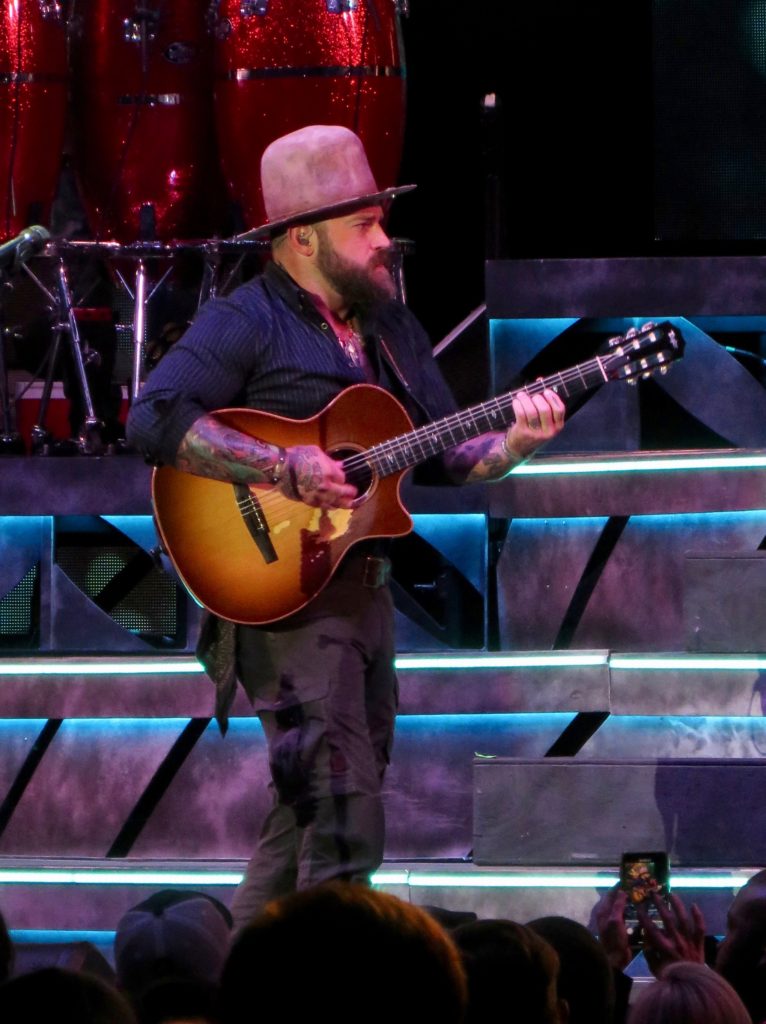
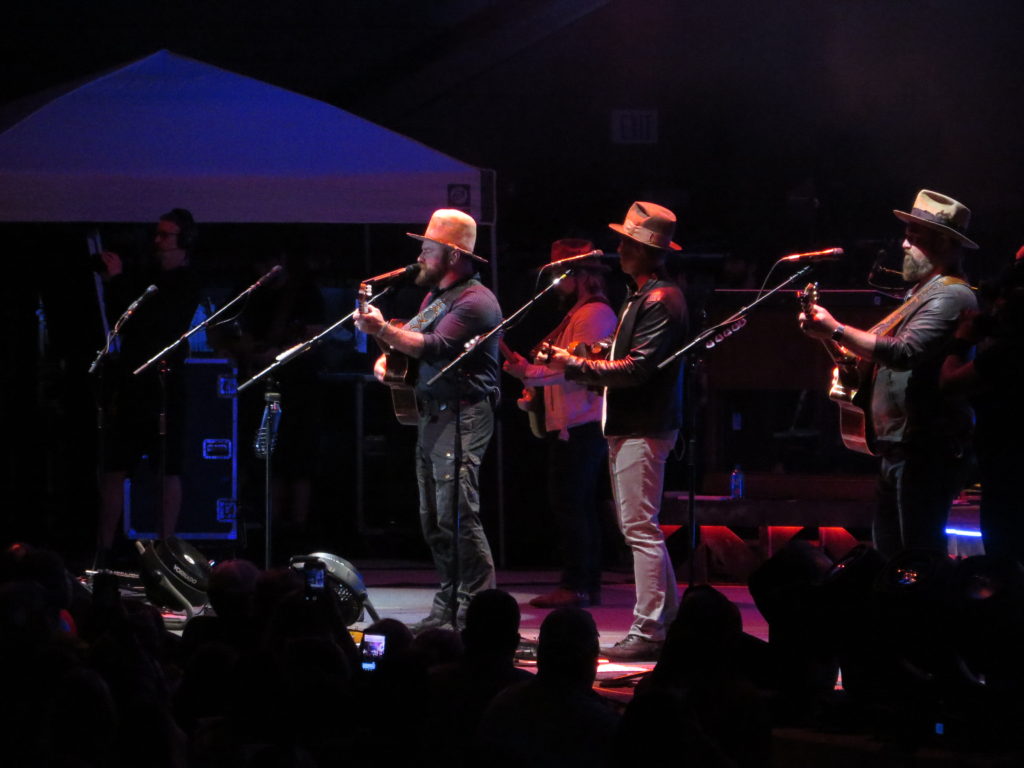
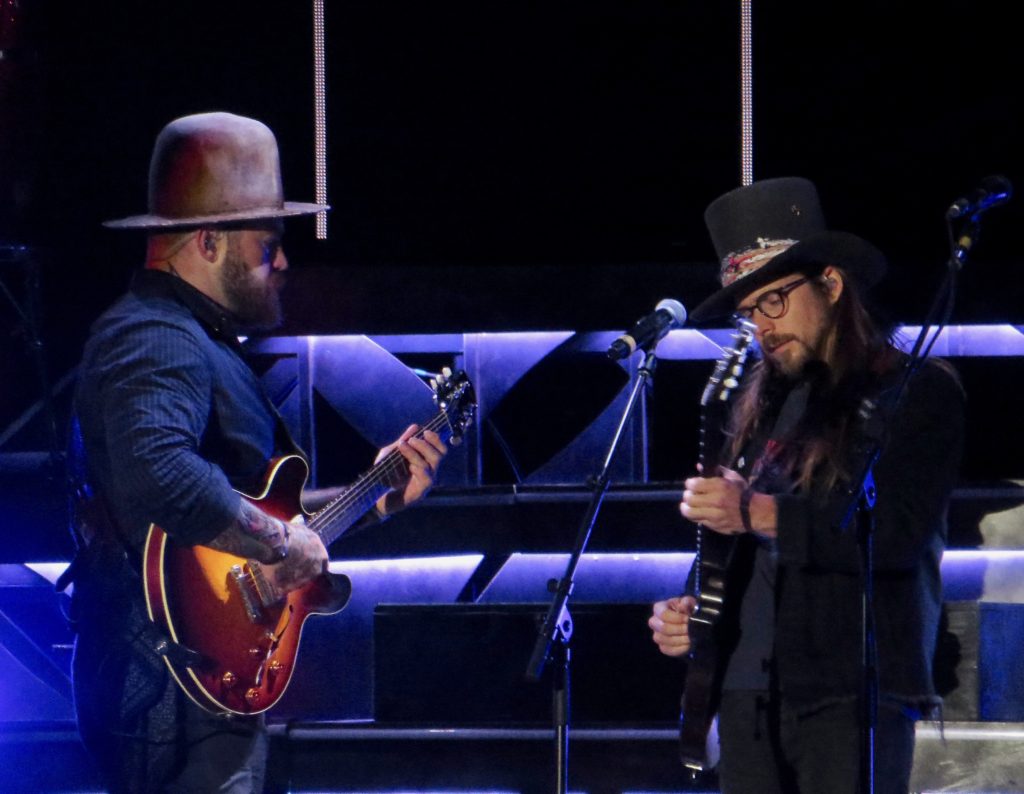
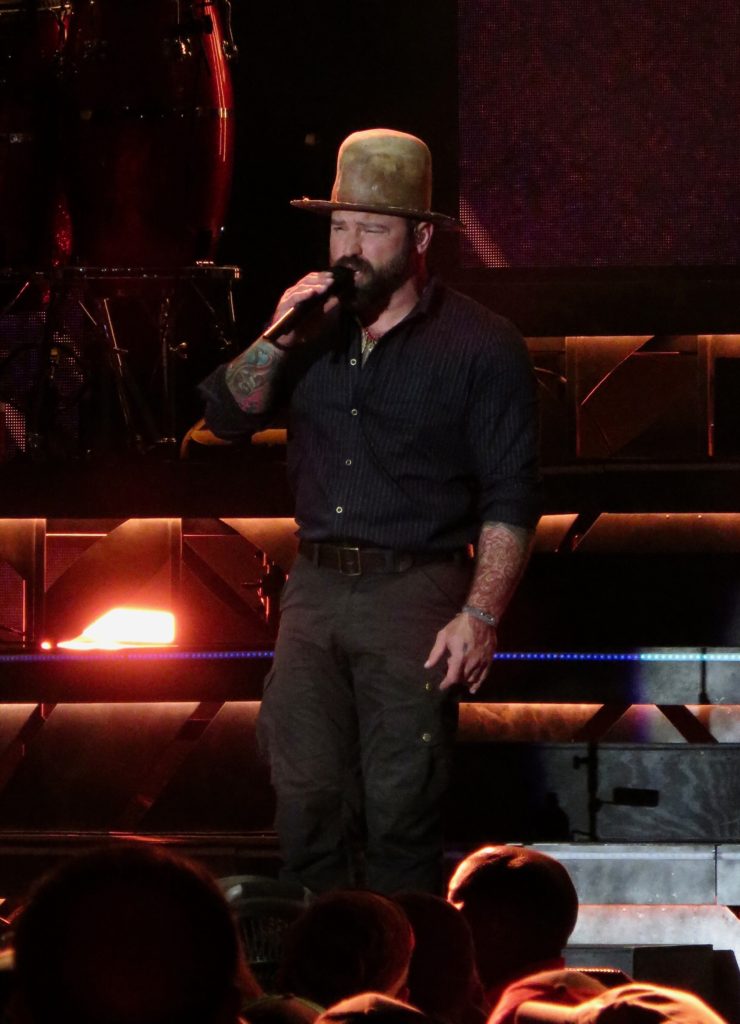
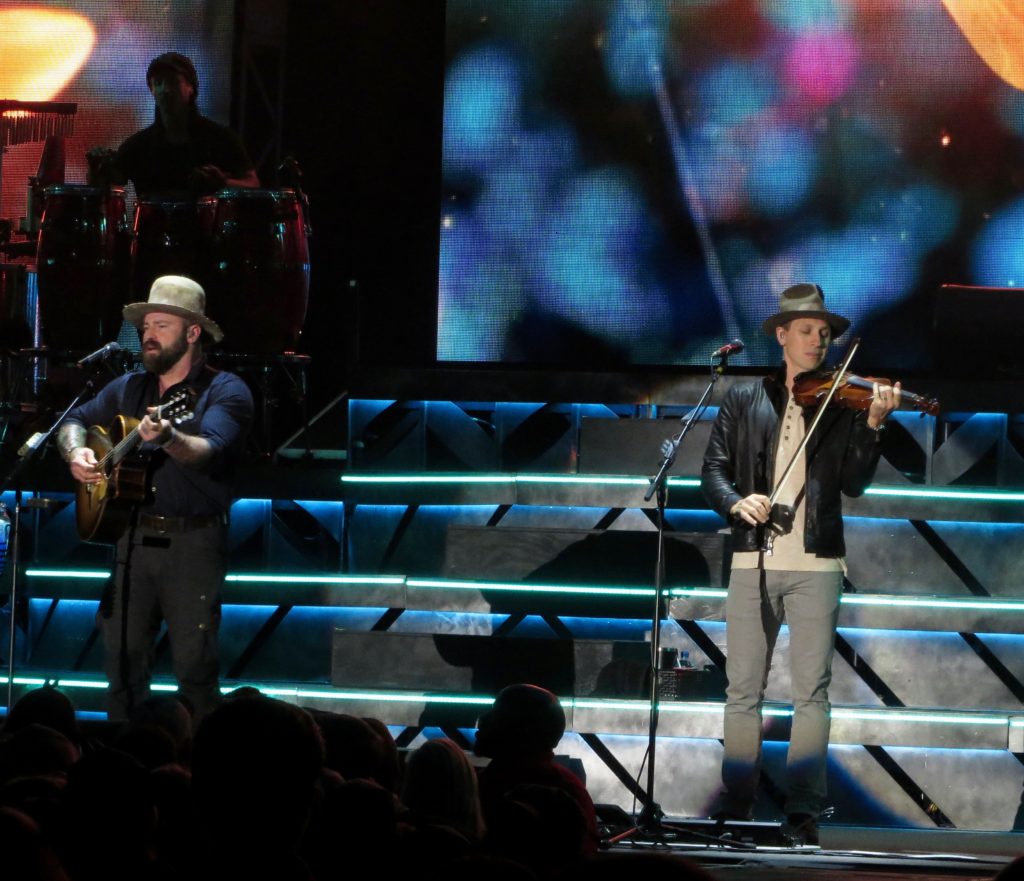
Like a next-generation Jimmy Buffett, Zac Brown knows how to move a crowd. On April 25, the frontman of his namesake band held a capacity Taudience at Tuscaloosa Amphitheater in the palm of his hand. Over the course of a two-hour set, Brown and his bandmates performed their catalog of hits, “Someone I Used To Know” (the single from his upcoming album release) and covered Kings of Leon, Def Leppard and The Charlie Daniels Band.

In addition to possessing a raw and honest musical style, Fantastic Negrito is a good sport. Speaking by phone from his Oakland, Calif. home literally hours upon returning from Australia, he sounds understandably tired but engaging and thoughtful nonetheless. Born Xavier Dphrepaulezz, the singer/songwriter stepped away from music for several years before reinventing himself as Fantastic Negrito. And what a reinvention it has been. His past two releases – 2016’s The Last Days of Oakland and 2018’s Please Don’t Be Dead [Cooking Vinyl] – both earned Grammy Awards in the Best Contemporary Blues Album category. On Saturday, April 27, Fantastic Negrito will perform at Zydeco with special guest Magnolia Bayou. The show, sponsored by Birmingham Mountain Radio, begins at 8:30 p.m.
Birmingham Stages: Thanks for your time, especially on such little rest after returning from Australia. Had you toured in Australia before this recent trip?
Fantastic Negrito: I’d played Byron Bay, but this time I was able to do Sydney, Melbourne and the Byron Bay Blues Festival.
Birmingham Stages: How did the material for Please Don’t Be Dead take shape? Were these songs newer compositions, older ones or a mixture of both?
Negrito: Some of all of that. A lot of times I think I work well with bits and pieces. Something like my Chris Cornell tribute – the song that came at the end of the record – that came out of nowhere. “Plastic Hamburgers” had been in my head for years.
Birmingham Stages: Do your songs tend to evolve and take shape even after you take them into the recording studio?
Negrito: Absolutely. It’s kind of a catharsis. I love it when it’s organic and trying to be what it wants to be. I was talking with Quincy Jones about this a couple of weeks ago. He was saying, “The minute you start trying to write that hit song, God walks out of the room.” And I love that.
Birmingham Stages: How would you describe your writing process?
Negrito: I’ve got kind of a leaky-faucet brain. It’s ongoing and it’s always happening. You take these pieces and you look for the inspiration. Once you find that, you ride it like a wave. Stay truthful – that’s the most important thing.
Birmingham Stages: If you will, talk about your hometown of Oakland.
Negrito: The Bay Area has been churning out music for so long, going back to Sly Stone, Creedence Clearwater Revival, Tower of Power, Santana, The Grateful Dead, Metallica, Green Day and M.C. Hammer. You also have the Black Panthers and Hell’s Angels. There are some edgy people [laughs]. The people I named were not going to go along with the status quo. I’m just a product of this incredible place – its culture, its diversity, openness and hypocrisy.
Birmingham Stages: You stepped away from recording and performing for several years. What inspired your return to music?
Negrito: I felt it through the eyes of a child. I had a son who was young and I experienced it through his eyes, ears and heart and that was a very profound lesson – being taught about music by a young baby. In this part of my life, I wanted to contribute to music rather than get something from music. Early in my career, I was always looking for what music could do for me. Now, at this age, it’s what can I do for it.
Birmingham Stages: How do you feel about modern technology’s impact on the music industry? Some artists applaud the accessibility and others say this is a difficult time to be heard among the crowd.
Negrito: I think the main thing is not to think about it and just create. I think when you are contributing, you don’t have time to even think about that. Technology is great, but there’s nothing like the mind and spirit of a human being. This music comes from our ancestors and it’s very spiritual and it’s been passed on. I just started playing in the streets for five years. I picked up a guitar, walked out onto the street and I never looked back. I never worried about who was going to hear it or not hear it. It’s a matter of being focused, creating and letting it take form.
Birmingham Mountain Radio Presents: Fantastic Negrito with Magnolia Bayou at Zydeco on Saturday, April 27. Showtime is 8:30 p.m. (doors open at 7:30 p.m.). Advance tickets to the 18+ show are $15 and can be purchased at www.zydecobirmingham.com.
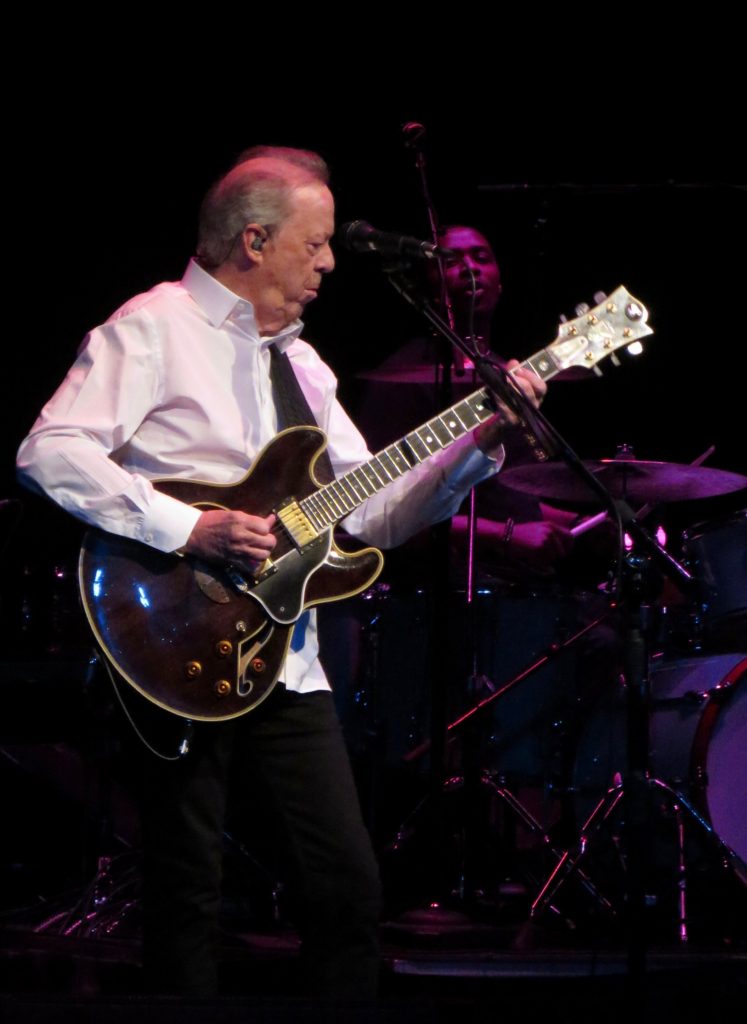
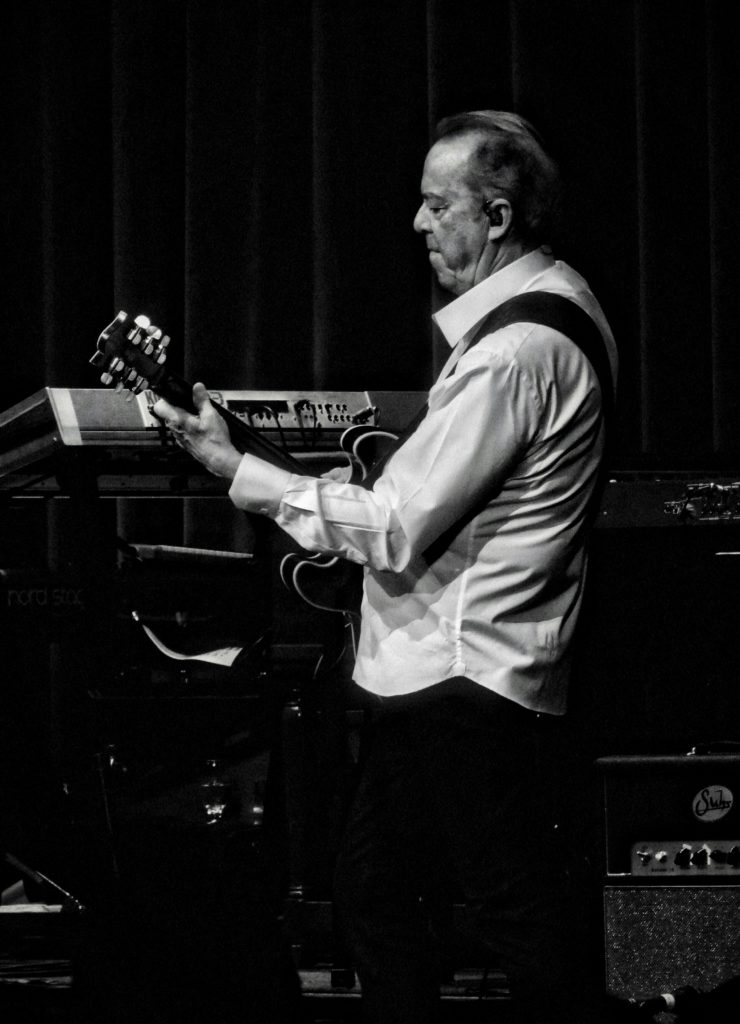
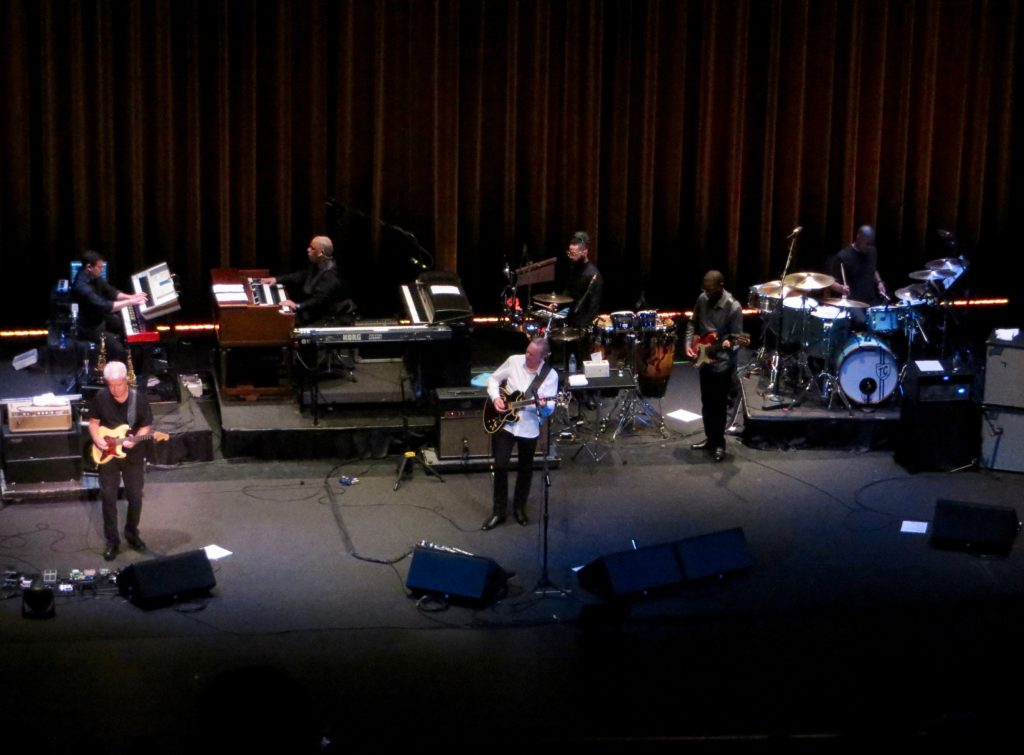
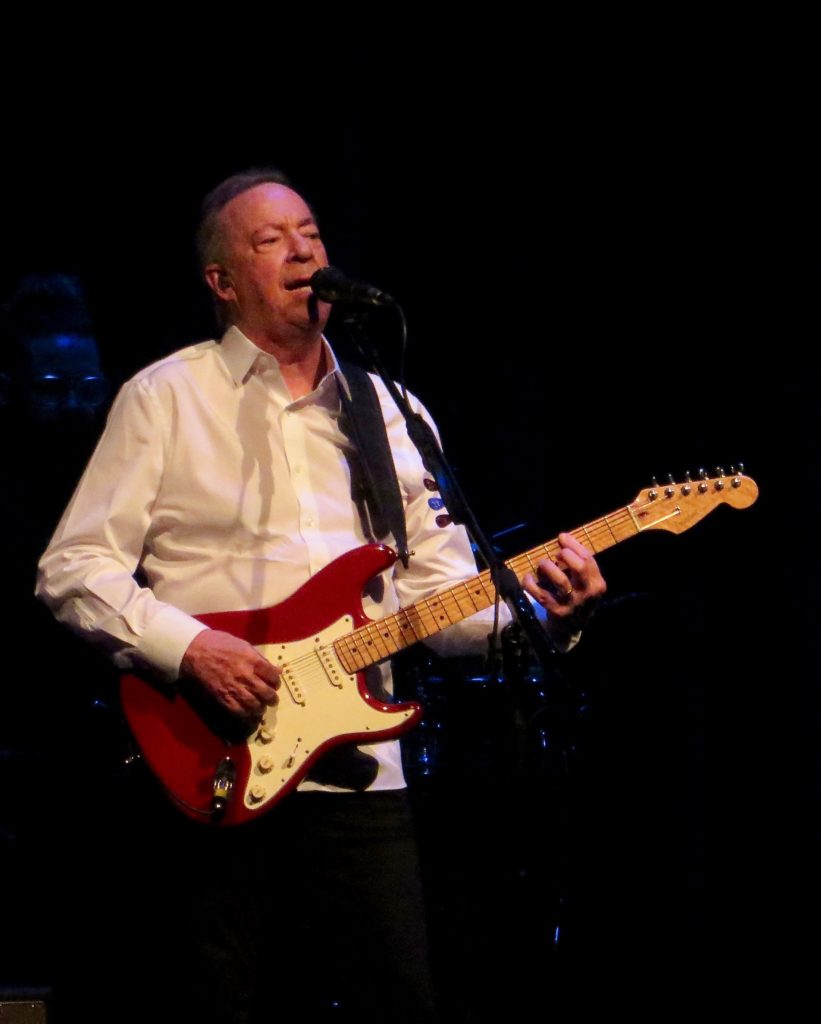
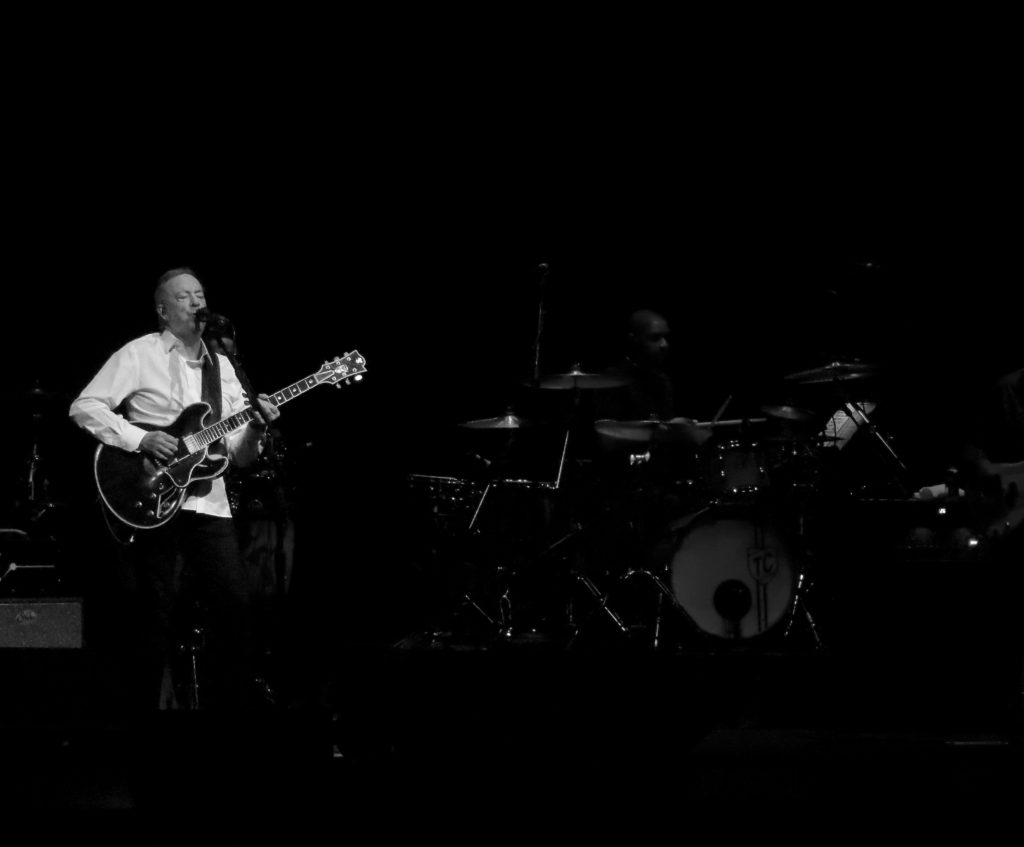
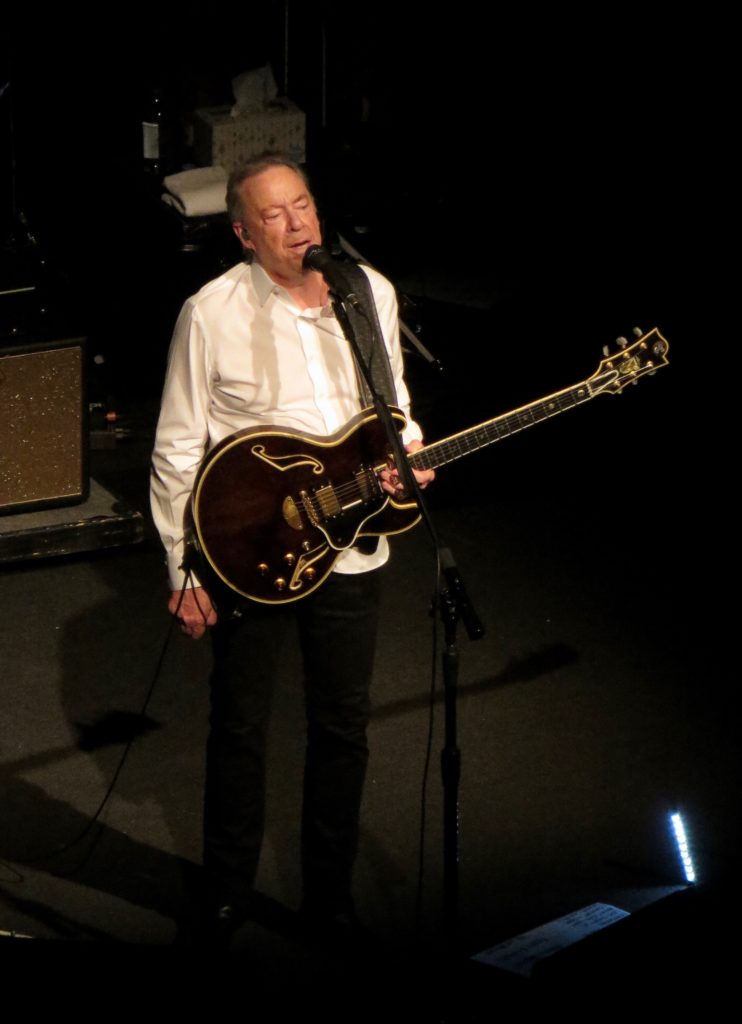
On Tuesday, April 9, Boz Scaggs performed at Mobile’s Saenger Theatre to a lively and responsive audience. Currently, the stalwart singer/songwriter/guitarist is touring in support of his latest album, Out Of The Blues [Concord Records]. While he played several tracks from his new record, Scaggs also played the hits that brought him fame including “Lowdown,” “Lido Shuffle,” “Look What You’ve Done To Me” and “What Can I Say.”
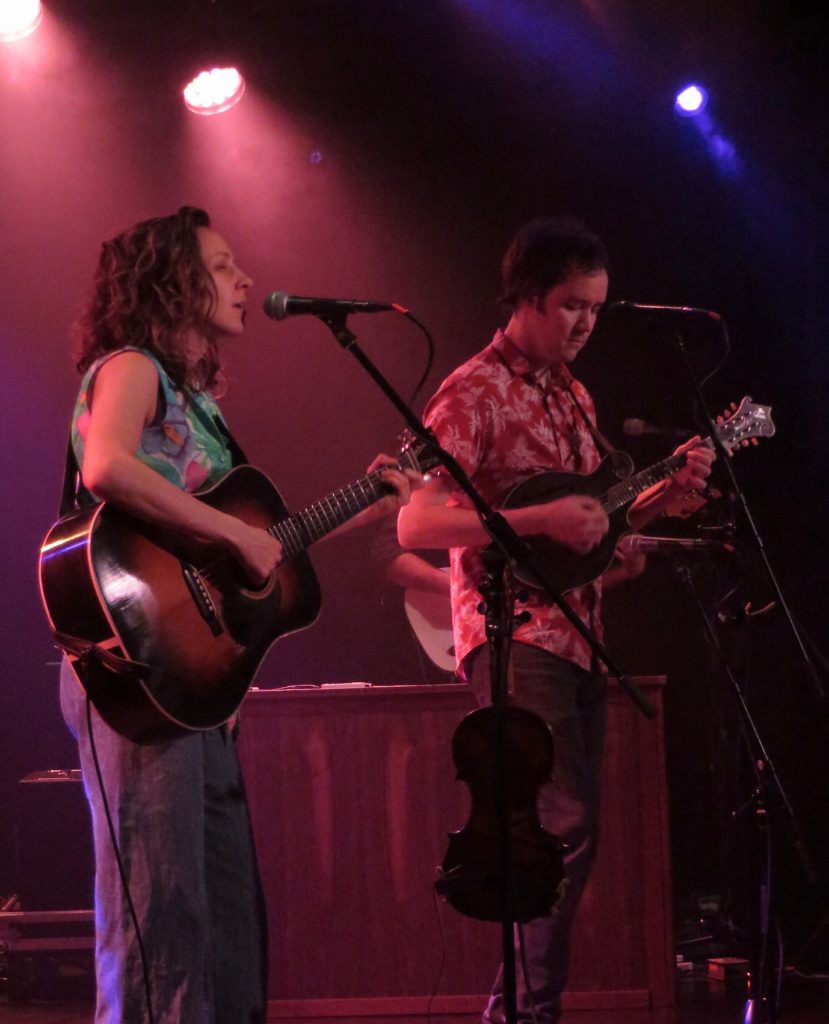
On Friday, April 5, Mandolin Orange performed at Saturn to a sold-out house. The quintet – fronted by Andrew Marlin and Emily Frantz – is currently on tour in support of its latest release, Tides of a Teardrop [Yep Roc Records].
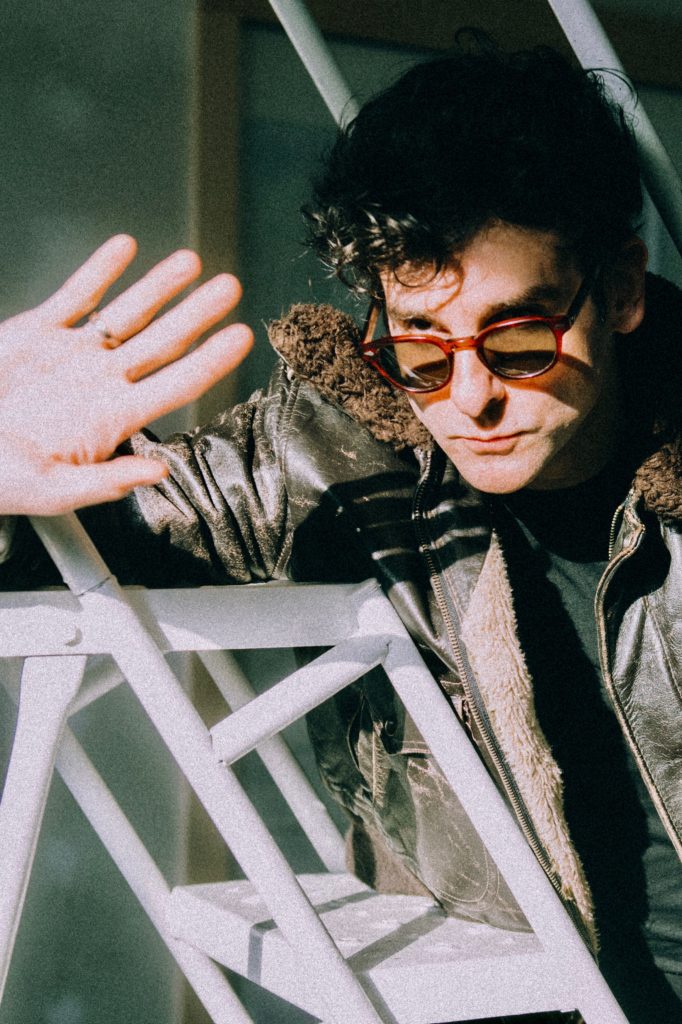
It’s good to be Low Cut Connie these days. Counting Elton John, Bruce Springsteen and Barack Obama among its fans, the Philadelphia-based band has gained notoriety thanks to its explosive live shows. Led by vocalist/pianist Adam Weiner – who possesses a playing style and stage presence rivaling Jerry Lee Lewis and Little Richard – Low Cut Connie plays a timeless brand of rock & roll. In 2018, the band released Dirty Pictures (Part 2) [Contender Records], the follow-up to the first edition released a year earlier. On Friday, March 29, Low Cut Connie will perform at Saturn. Recently, Weiner spoke with us by phone from his Philadelphia home.
Birmingham Stages: Adam, thanks for your time. We are looking forward to your upcoming show at Saturn.
Adam Weiner: This is our first show in Alabama so we’re excited about it.
Birmingham Stages: How did the material for the two Dirty Pictures albums come together?
Weiner: It’s all over the map. We did the two Dirty Pictures albums at the same time. Some of them were new, some were old and some we did in the moment.
Birmingham Stages: How did you determine which specific tracks would be placed on each volume?
Weiner: It was about what felt right. A live show is all about tension and release – you build-up the tension and then give the release. I tried to do that with these records. The first was more tension-building and the second was more cathartic.
Birmingham Stages: Is there a way to to describe the whirlwind your life has been in the last couple of years?
Weiner: I’ve been doing this a long time – it’s definitely started to pick up in the last couple of years. I just keep my head down and do my work. I’ve been doing 100-plus shows a year for a long time and I’m very happy with the crowds we get. But I do the same show whether it’s for 10 people or 10,000 people. I just do my work.
Birmingham Stages: Low Cut Connie is lauded for its live shows. In your opinion, what do you and your bandmates do to separate yourselves from the pack in the live setting?
Weiner: I guess we have a really beautiful connection with our fans – it’s really a two-way street. I like to figure out what those people need and I want them to feel better than they felt when they walked into the room. The show is not about me – it’s about the crowd. The show is not about popularity or ego or what’s cool. It’s about how we make people feel. I try to be extremely focused on that – making people feel good. That’s a little bit out of fashion these days, the lack of irony. But I’m committed to that and I guess people have taken notice of it.
Birmingham Stages: How does your writing process work? Is it challenging to find time to write given your touring and promotion demands?
Weiner: You know what, Brent? It’s a 365-day a year job. If I’m not performing, I’m recording, making videos, writing articles or doing a radio show. That is my work and I do it every day and I love what I do. I don’t think too much about plans and when I can write. I just go with the flow.
Birmingham Stages: How do songs stay fresh to you after you’ve performed them hundreds of times?
Weiner: If I wrote a good one, it’s something I can believe in and sing every day. Some of the songs don’t pass that test. There are songs that I do onstage hundreds of times and I still feel connected to them. If it feels fresh to the crowd, then it feels fresh to me.
Birmingham Stages: If you will, talk about the music scene in your hometown of Philadelphia.
Weiner: It’s pretty vibrant. I grew up here and it was not like it is now. A lot of people skipped town as quick as they could and now people move here and set up shop here. The city has been very supportive of us.
Low Cut Connie will perform at Saturn on Friday, March 29. Shaheed and DJ Supreme will open the 9 p.m. show. Advance tickets to the 18+ show are $13 and can be purchased at www.saturnbirmingham.com.
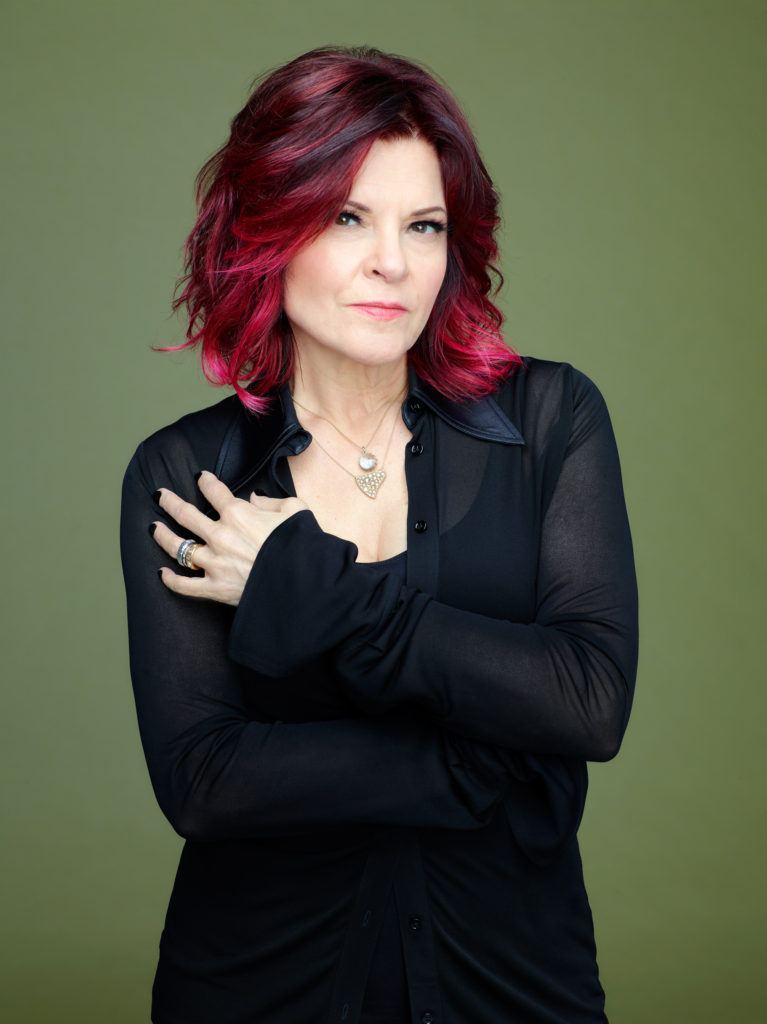
It would be fair to deem Rosanne Cash a country artist, but that description would only tell part of her story. In a career spanning more than 40 years, the eldest daughter of Johnny Cash and his first wife, Vivian, has delved into folk, rock and pop while garnering four Grammy Awards. In addition to her music career, Cash has written three books and seen her articles published by The New York Times, New York Magazine, Rolling Stone and The Oxford American. In November, she released She Remembers Everything (Blue Note Records), a 10-track collection produced by her husband and musical partner, John Leventhal, and Tucker Martine (The Decemberists, My Morning Jacket). The album features guest appearances by Kris Kristofferson, Elvis Costello, Sam Phillips and The Decemberists’ frontman Colin Meloy. On Sunday, April 7, Cash will perform in the Jemison Concert Hall at the Alys Stephens Center. Recently, she spoke with us by phone from her New York City home.
Birmingham Stages: Rosanne, thanks for your time. We are looking forward to your Birmingham show on April 7. How does your schedule look until then?
Rosanne Cash: I’ve got two things – one in Nashville and one in Washington. They’re both kind of special things. In Nashville, the show is for the launch of Ken Burns’ [documentary series] Country Music and a lot of people are doing that show. The documentary is amazing. In Washington, the event is at the Smithsonian to launch an exhibit that commemorates the 100th anniversary of women getting to vote. That’s super exciting, too. I go back to my regular shows on the fifth [of April] and work my way to you.
Birmingham Stages: We are enjoying She Remembers Everything. How did the album’s material take shape?
Cash: Two of [the songs] had been around for about a decade – “8 Gods Of Harlem” and “Rabbit Hole.” The rest of them, for the most part, were written recently. John and I wrote “The Undiscovered Country” and “Everyone But Me” while we were at the end of the record – almost everything had been recorded. Those two are really new. I wrote “She Remembers Everything” with Sam Phillips a couple of years ago.
Birmingham Stages: Some stellar guests appear on the album – Kris Kristofferson, Elvis Costello, Sam Phillips and Colin Meloy. How do those collaborations come about? Do they begin with the person or the song in mind first?
Cash: All in different ways. I had written with Sam and knew I’d love to have her sing on the chorus – it just made sense. With Colin, I’m a huge Decemberists fan. Tucker Martine, who produced the tracks “The Only Thing Worth Fighting For” and “Rabbit Hole,” had also produced The Decemberists so I shyly said to Tucker, “Do you think Colin would sing on the record?” He said, “Well, I can only ask him.” And he said, “Yes” – that was a thrill. With Elvis and Kris, I’ve been friends with both of them for decades and I just kept thinking about writing and recording with them. On paper, that made no sense whatsoever but I couldn’t get it out of my mind. I had written the first verse to “8 Gods Of Harlem” and I asked them if each of them if they would write a verse. They wrote their verses and we recorded that track in the same day – I’ve never experienced that before.
Birmingham Stages: With the large catalog of material you’ve amassed, how do you construct your set lists these days?
Cash: I don’t do that Willie [Nelson] thing of having all your songs listed on the floor and just picking one [laughs]. I’m a little too controlling for that. I’ve got to say it’s been more challenging because I’ve got a 40-year catalog. There are certain songs the audience wants to hear. They want to hear “Seven Year Ache” and they want to hear “Blue Moon With Heartache,” so I do those and a few from [2009 album] The List because there are people that are big fans of that record. I want to do new songs because it’s fresh, so I balance it out a bit.
Birmingham Stages: Using the two songs you mentioned as examples, how do they stay fresh and relevant to you after you’ve performed them countless times?
Cash: Do you know what keeps it fresh? The audience gets excited when they hear it and that gives me energy and I’m grateful that they still care about a song that’s been around that long. Every audience is new and they bring their own personality and temperament and energy to it, so I just borrow from that. Songs change over time depending what mood I’m in. I was 22 when I wrote “Blue Moon With Heartache,” so now singing it is like singing a song my daughter wrote.
Birmingham Stages: How does your writing process typically work? Are you able to write on the road?
Cash: I think I’m always writing. I’m attuned to things I hear – poetry, something I read or a piece of music starts the ball rolling. I don’t write that much on the road because my energy is pretty taken up, but I think some of my best things have been written on the road. Right now, John and I have been writing a musical – I’m writing the lyrics and he’s composing the music and we’re almost finished. So, those songs have been taking up some mental space lately.
Birmingham Stages: Some artists say this is a great era because music can be easily accessed via iTunes, Youtube and other outlets. Other artists say, for that same reason, it’s difficult to separate yourself from the crowd. How do you reconcile the pros and cons of the current musical climate?
Cash: I’m not an old fuddy-duddy who thinks, “Oh, it was so much better in the old days.” I like progress and what young people are doing. I do think it’s great that more people can get their music out there and they don’t have to filter it through a major label. At the same time, it’s really hard for musicians to get paid right now because people assume that music is in the air and that everybody should have it. In some ways that’s true, but it’s creative work that costs time and money. Musicians need to pay the rent and pay their bills like anybody else. If you buy music, it supports the musicians and they can continue to make music.
Rosanne Cash will perform at the Alys Stephens Center’s Jemison Concert Hall on Sunday, April 7. Tickets to the 7 p.m. show can be purchased at www.alysstephens.org.
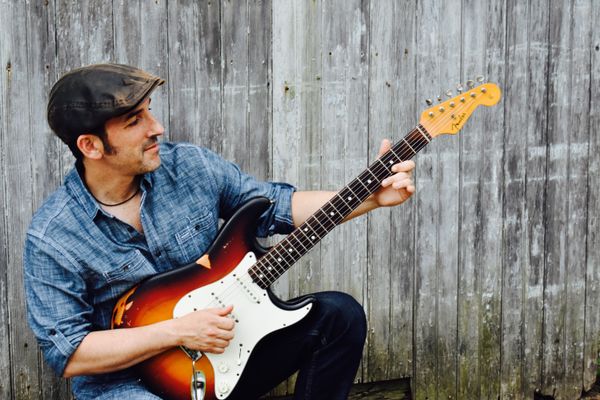
Guitarist Matt Marshak has been a fixture on Billboard’s Smooth Jazz chart, but he has always let his instrument do the talking. With the upcoming release of his album Simple Man (March 29), Marshak literally finds his voice on the 11-track outing. Enlisting a crack team of producers, songwriters and session players, Marshak reinvents himself as a singer/songwriter and it’s a surprisingly seamless transition. Drawing on the sounds of early inspirations including Paul Simon and James Taylor, Simple Man fits comfortably in the Americana realm. The video for the album’s title track – which includes cameo appearances by Marshak’s wife and daughter – has already been an online sensation, receiving more than 100,000 views on Facebook alone. Who knows if Marshak will stay on this current course or return to his jazzy roots, but Simple Man is a stylistic detour that pays dividends.
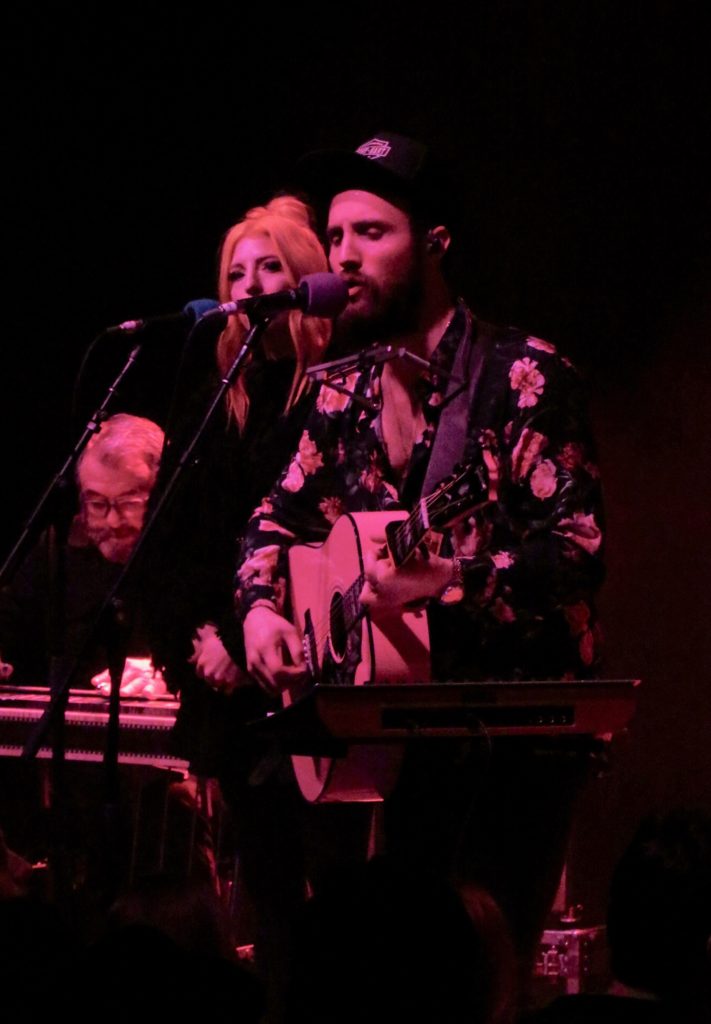
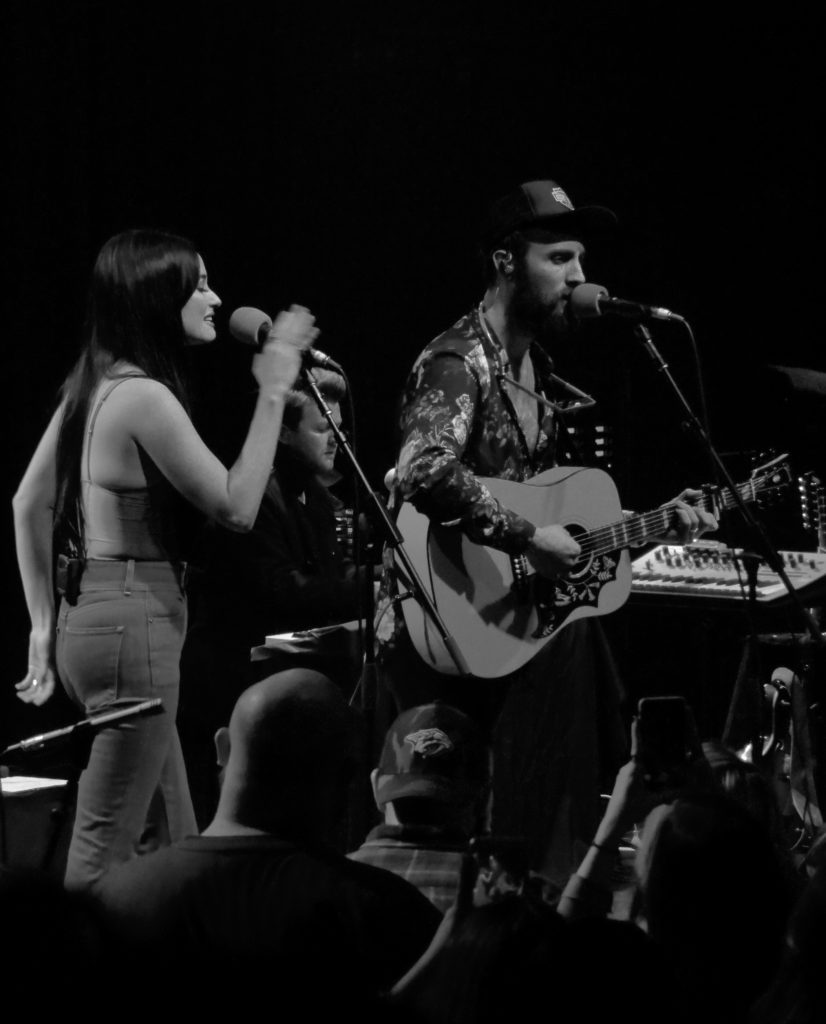
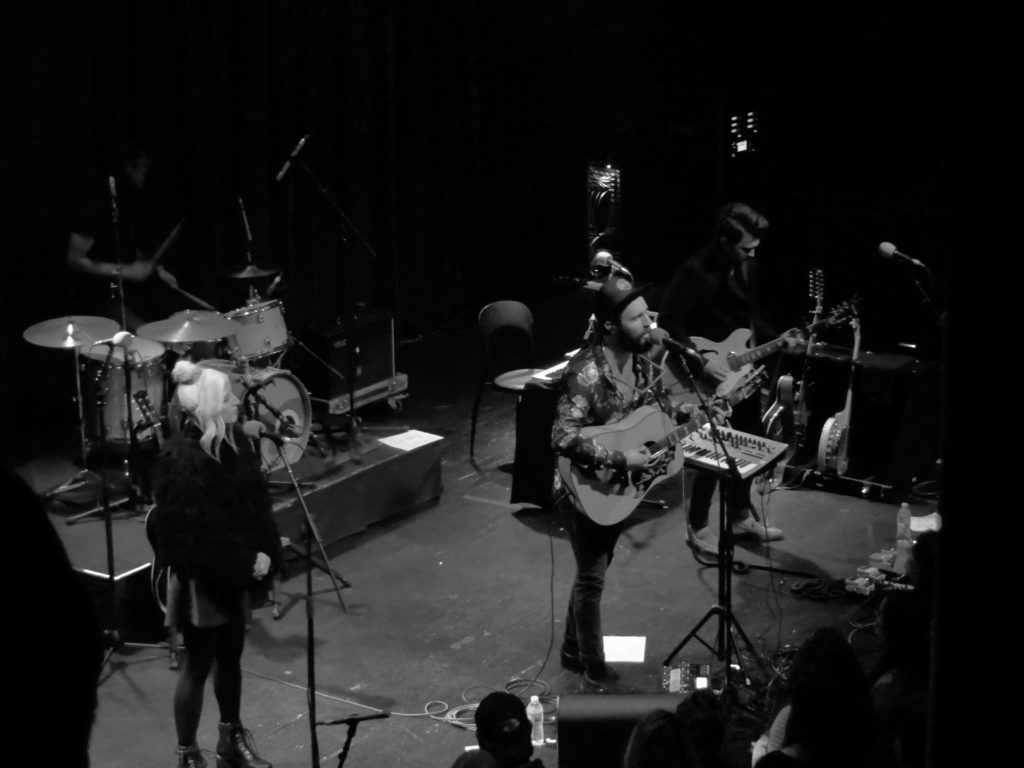
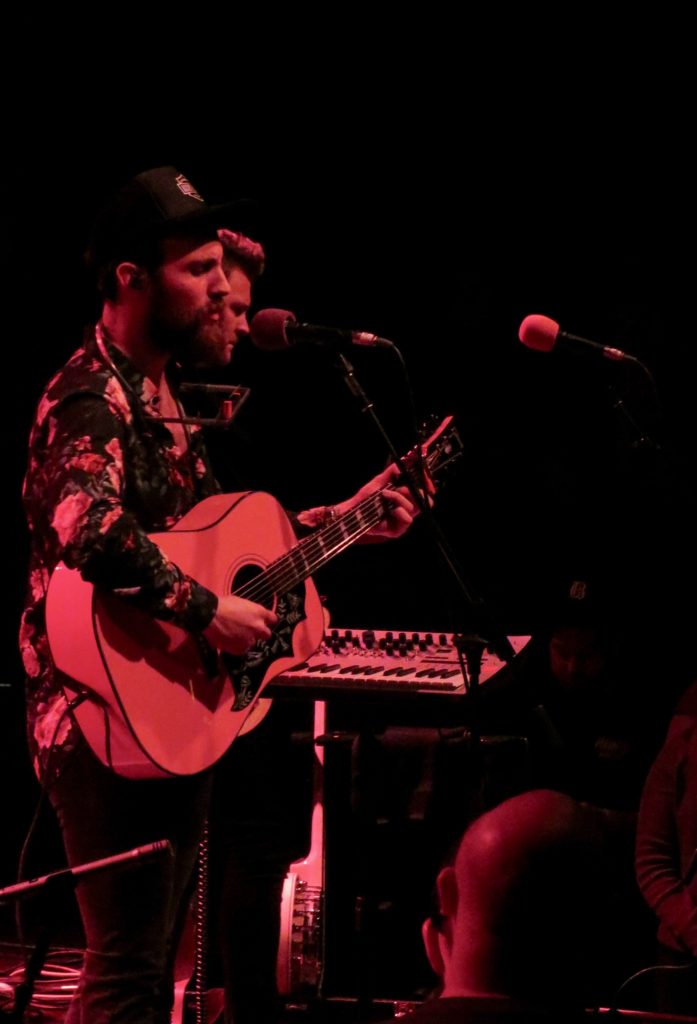
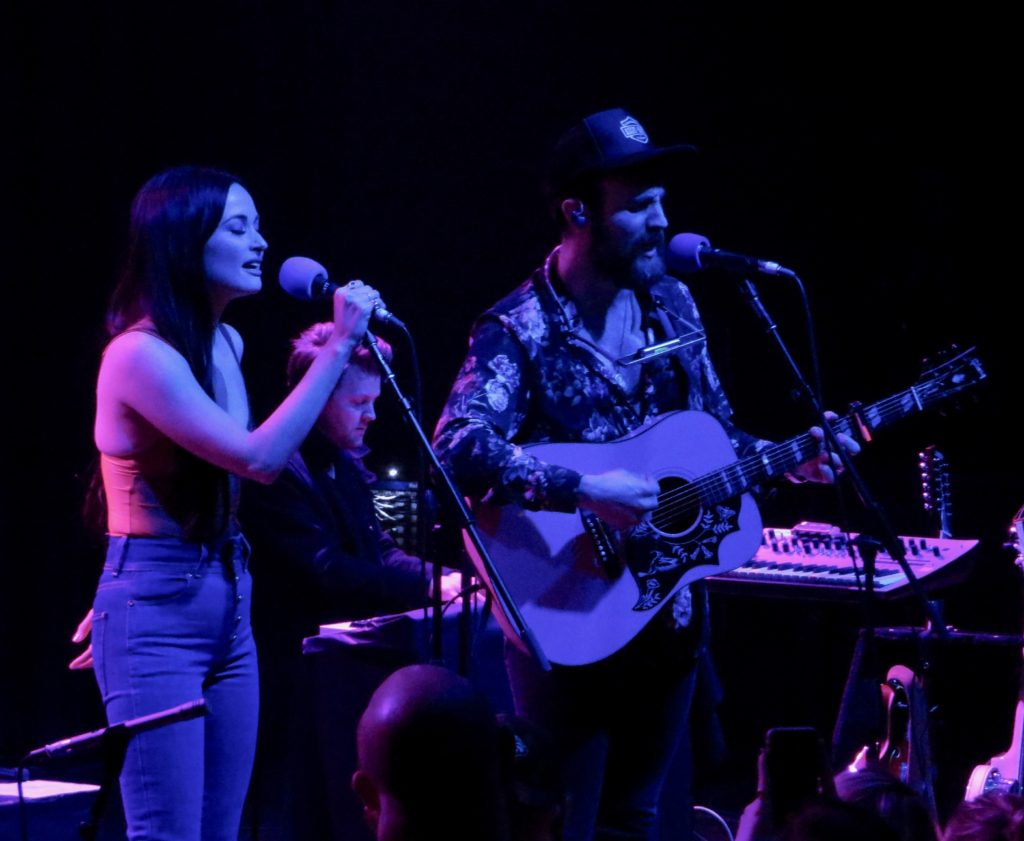
On March 16, Ruston Kelly took the stage at WorkPlay in front of a sold-out audience. The singer/songwriter made his first Birmingham show a notable one as he engaged the crowd with a number of between-song stories. The most unexpected highlight of the set occurred when Kelly’s wife Kacey Musgraves joined him onstage for a duet. We were on hand to capture the memorable night.

With a style incorporating elements of folk, rock and soul, Amos Lee offers a timeless sound that also rings fresh and unique. In 2018, the singer/songwriter released My New Moon (Dualtone Records), a 10-track collection produced by Tony Berg (Andrew Bird, Joshua Radin). Featuring appearances by Benmont Tench and Greg Leisz among others, the album has been described as Lee’s most personal body of work. On Friday, March 15, Lee will perform at the Alabama Theatre. Recently, he spoke with us by phone from Los Angeles.
Birmingham Stages: Amos, thanks for your time. Has the current leg of the tour started yet?
Amos Lee: We start on March 8 in Nashville at The Ryman. I’m in Los Angeles – I’m out here working on some new music.
Birmingham Stages: If you will, talk about the creation of My New Moon. Were the songs newer compositions, older ones or a mixture of both?
Lee: Let me think about that for a second. Most of it was pretty new. I think that – as an artist who has gotten on in the stage of my career – I don’t have that 50 or 60-song suitcase that I can pull out of the closet that’s still in there from my early days. So, you have to regenerate your ideas more quickly which I think is interesting as a writer because everybody talks about the first album and how you have a lifetime to write that and then the next album is more of a challenge. I’ve definitely had ups and downs in my process, but a great thing about this record for me was working with Tony Berg who produced the album. We spent a lot of time beforehand working on the songs and arrangements. Plus, I’m a dog – I work. I’m always writing and I’m always trying to create and collaborate with people. It’s not something that I have to try to do – I’m just always doing it. Those are things that have kept me inspired and motivated – I love what I do. It really helps to get in front of crowd like Birmingham and have the feedback from people that says, “We feel the same way you do about it.”
Birmingham Stages: With the catalog of material you’ve amassed, how do you comprise your set lists these days?
Lee: Honestly, I’m still working that out after all these years because what I find happens is I’m continuously falling back on the songs I know people really want to hear, but at the same time I want to make it more diverse. I don’t always know what songs I don’t play that people really want to hear and I want to keep the set dynamic and up-tempo as much as we can but I have so many mid-tempo and down-tempo songs. I don’t want it to get too morose. I have to balance all that stuff out.
Birmingham Stages: My New Moon has been called your most personal album to date. You also speak to the current political climate on it. Do you feel exposed or anxious when releasing material that hits close to home or do you feel a sense of relief in getting it out in the open?
Lee: My interest artistically is to be as straightforward and honest as I can with whatever songs are coming to me. The reason that [these] songs are about what they’re about is because that’s what I was living through at the time. I think that every batch of songs will hopefully be the same way. The problems are universal and our journey as a country – forging a complete identity – has always been a challenge in the United States. It’s a country that was born from many different places. I have a lot of faith that things are going to get better, but we started from a place that needed a lot of work. I think politically whatever allows you to look into yourself and forge forward and create a more cohesive country interests me. I try to come from a place of connection. Everyone has their own angle and everyone’s ideology is their own for a very specific reason.
The thing about music is that you can connect people and you can unite people [in a manner] that maybe you can’t approach outside of music. I sing about something that conversationally might not be appealing to you. From a musical standpoint, there’s rhythm, there’s melody, there’s harmony – there’s a way for these messages to be more connected than in a simple conversation. That’s my hope at least – when you leave the show, we’re more connected than when we came. That’s my whole interest as an artist. I’m there to serve the music every night.
Birmingham Stages: You’re cover version of Marvin Gaye’s “What’s Going On” made a real impact. It was originally released nearly 50 years ago but remains relevant to these times. Stylistically, the song’s a good fit for you as your sound has always had a soulful element.
Lee: It’s funny because I was doing a Sirius XM show and they were like, “Do you know any covers?” and I was like, “I really only know one; I might know two.” I don’t know a lot of covers so it worked out pretty well. That whole era – there was a forging of new ideas into what was part of a genre before and Marvin Gaye embodied that as well as anybody, especially because there was resistance to his ideas from Berry Gordy. Marvin was like, “This is what I’m doing.” The business side had to accept it and it changed the culture and it changed the way music is appreciated.
Birmingham Stages: How does your writing process typically work? Do you write on the road?
Lee: I find it harder to write on the road because I’m putting so much energy into the shows. My whole day is about trying to make that hour and a half show the best show it can be. I try to give myself up completely to the performance.
Amos Lee will perform at the Alabama Theatre on Friday, March 15. Tickets to the 7:30 p.m. show are $37.50 – $57.50 and can be purchased at www.ticketmaster.com.