Inside The Human Spirit: A Conversation with AHI

By Brent Thompson

Photo Credit: Jess Baumung

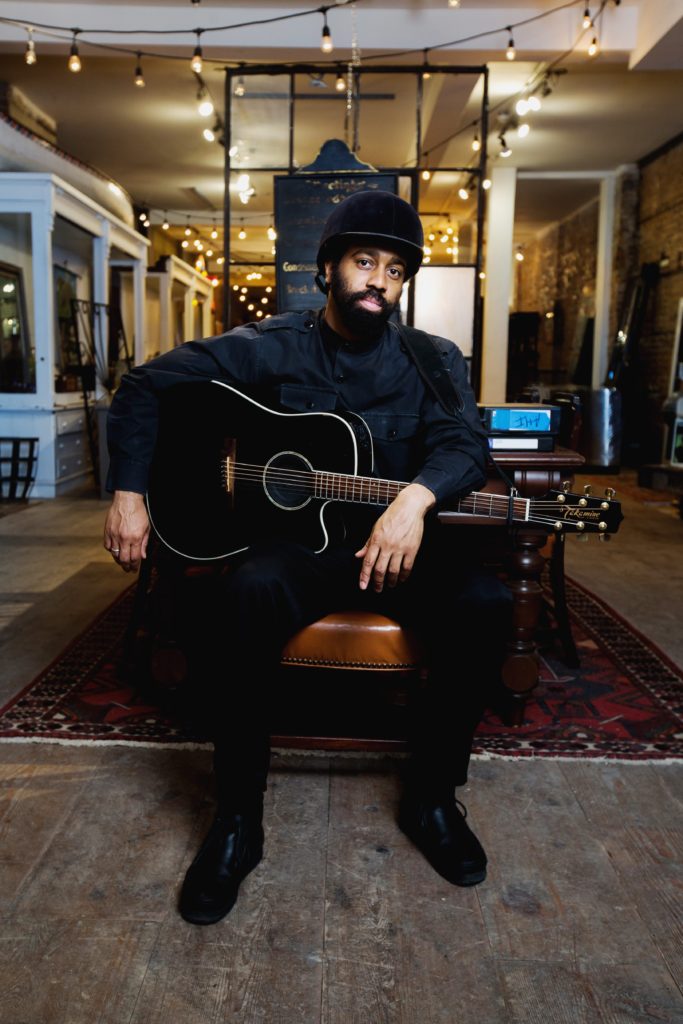
AHI’s roots lie in Canada, but his songs take listeners on a sonic journey to places near and far. Citing Bob Marley as a prominent musical influence, the singer/songwriter (pronounced “Eye”) incorporates the wide-ranging styles of Michael Kiwanuka, Alabama Shakes and Michael Jackson into his sound. AHI’s latest release, In Our Time [22nd Sentry/Thirty Tigers], is an 11-track collection that furthers his reputation as a master storyteller. On Thursday, October 25, AHI will perform at the Alabama Theatre in support of Lauren Daigle. Recently, he spoke with us by phone from a tour break in Nashville.

Birmingham Stages: AHI, thanks for your time. If you will, talk about the songs that comprise In Our Time.

AHI: Most of them are new ones – a few of them are last-minute additions. “Five Butterflies” came in at the last minute and “The Hardest One” was another last-minute one – it almost didn’t make the album. These songs were all written after [previous release] We Made It Through The Wreckage.

Birmingham Stages: How do songs stay fresh and relevant to you after you’ve performed them hundreds of times?

AHI: When I get onstage, I do a lot of storytelling and I think telling the stories that revolve around the songs and getting the audience’s reaction to those stories gets me into the songs. Also, right now I’m promoting specific songs so there are certain songs on the album that I haven’t played live yet. I’m still also promoting my first album in a lot of ways because there are a lot of people discovering me that haven’t heard my first album. I’m comfortable playing the same songs over and over again because, as an artist, I’m learning how to sing these songs and I’m growing into these songs. There are a lot of singers that think their first take is the best take, but my voice always gets better and I learn about the songs as I sing the songs.

Birmingham Stages: Some artists tell me that – given the instant accessibility provided by outlets such as iTunes and Youtube – this is a great time to be releasing music. Others tell me that – for those same reasons – this is a difficult time to separate yourself from the crowd. How do you view the climate these days?

AHI: I acknowledge both points of view, but I’m more on the side that it’s the most beautiful time in the world to make music. I can sit down and write exactly the material that I want to write. So, I look at it more from a creative point of view. If this was 10 years ago, maybe I would’ve been signed sooner or maybe I wouldn’t have been acknowledged at all. So being able to make the songs I want to make and connecting with the audience gives me the perception that this is the perfect time for an artist like me to exist. I can’t take that for granted.

Birmingham Stages: The phrase I hear quite often these days is, “The gatekeeper has been removed.”

AHI: I don’t know about that one [laughs]. The gatekeepers still exist, but there are other entry points. A lot of artists have decided, “I can go through this gate instead of that gate and get more of the pie and own my own publishing and masters.” That’s what I do – I own my own publishing and my own masters. When I get a check from Spotify, it’s a lot bigger per stream than artists on bigger labels because they’re divvying it up.

Birmingham Stages: You are well-traveled and your sound and songs reflect it. If you will, talk about how your life experiences affect your musical style.

AHI: I feel like we’re all people trying to connect to something and trying to be recognized for that connection. I’ve been to Ethiopia and Trinidad and, for the most part, people are kind and we all just want to have a human connection. What I try to do with my music is peel back the layers as much as possible to give people the most honest, pure connection possible from my point of view. I’d like to think that my voice is transmitting something that’s inside the human spirit.

Birmingham Stages: How would you describe your writing process?

AHI: I write at home 99% of the time. I need a base where I feel like I can be comfortable and I can be vulnerable. But, with that said, my biggest song was written in Nashville at an AirBnB [laughs].

AHI will perform at the Alabama Theatre on Thursday, October 25 in support of Lauren Daigle. Tickets to the 7:30 p.m. show are available at www.ticketmaster.com.
Listening Station: Jason Isbell & The 400 Unit

By Brent Thompson

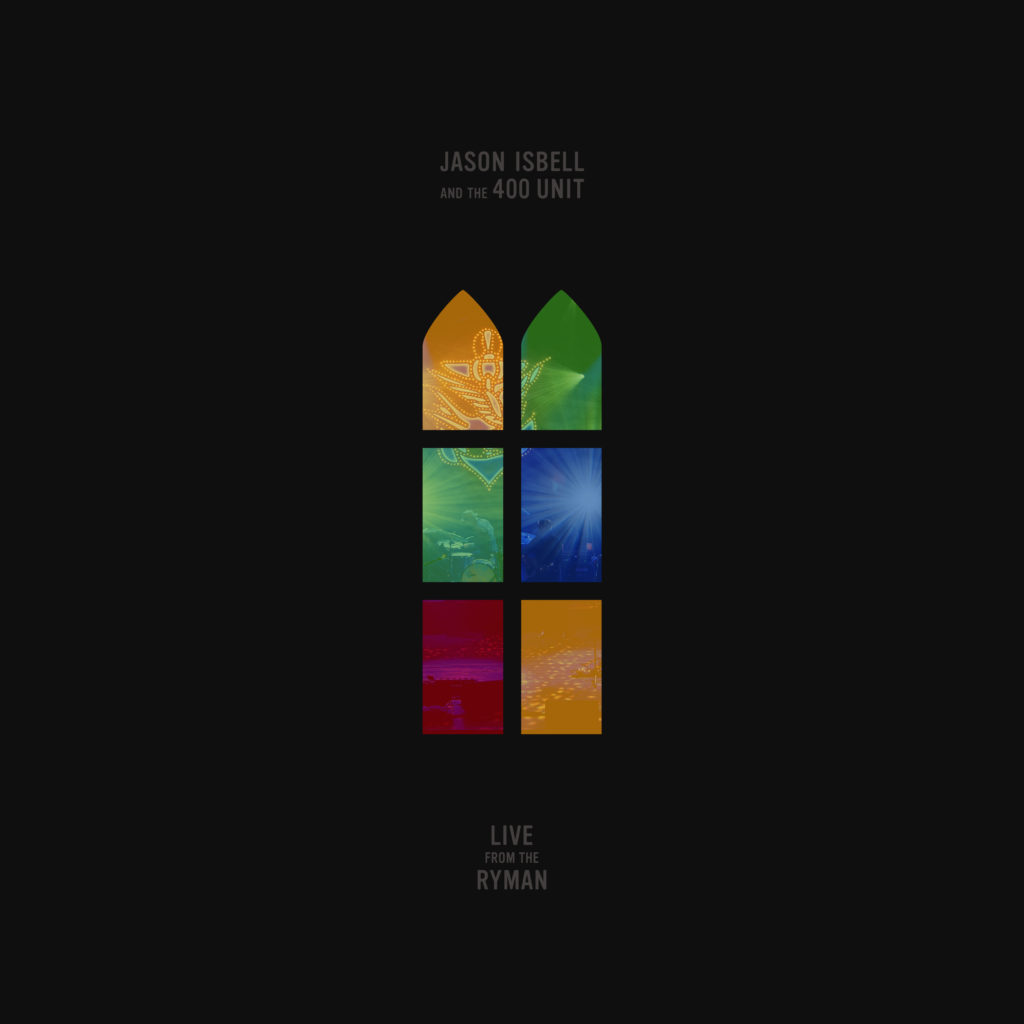
Nashville’s Ryman Auditorium has become Jason Isbell’s home away from home over the past few years and who could blame him? Though he could easily fill the city’s nearby – and much larger – Bridgestone Arena, the lure of the historic, intimate “Mother Church” remains a powerful one. On the cusp of an upcoming six-night Ryman run, Isbell  – backed by his trusty 400 Unit – is releasing Live From the Ryman [Southeastern Records] on October 19. The 13-track collection spans material from Isbell’s recording catalog and – in addition to being a souvenir of his live show – is an ideal snapshot of his recent output. Tracks including “Elephant,” “Super 8,” “24 Frames” and “If We Were Vampires” display the maturation of the singer/guitarist’s songwriting since his previous live release, Live From Alabama. And while Isbell’s songwriting and guitar skills are well-noted, the tightness of the 400 Unit is often overlooked and Live From the Ryman allows the band to shine. Equal parts folk artist, classic rocker and country troubadour, Live From the Ryman reminds us that Isbell has created a sound that is both universal and personal at once.

Make A Genuine Connection: A Conversation with Anna Grace Beatty

By Brent Thompson

Photo Credit: Sean Kirby

With the flood of national touring acts performing in Birmingham on a regular basis these days, it can be easy to overlook our talented, local artists that are recording and performing original music. Anna Grace Beatty is a local artist that is about to step to the front-and-center both literally and figuratively. For the past few years, the singer/songwriter with a sound that belies her 16 years of age has been honing her craft and writing songs at a furious pace. On Friday, October 12, Beatty will release her EP Burns You Up. The record’s first single, “Ain’t No man,” has been receiving airplay on Birmingham Mountain Radio. That same night, she will perform at a record release show at WorkPlay. The show – featuring Rachael Roberts and Chelsey Whild – will benefit Girls Rock Birmingham, a nonprofit program that helps young girls grow as individuals and artists. Recently, Beatty spoke with us by phone from her Birmingham home.

Birmingham Stages: Anna Grace, thanks for your time. If you will, talk about the writing and recording of Burns You Up.

Anna Grace Beatty: It’s been a pretty long process. I’ve been writing for two and a half to three years and I started out with a very different sound than I have now. I love writing and I used to write three hours a day – it’s kind of an obsession for me. The oldest song would have been written a year ago in February – that particular song is called “Livin’ The Dream” – and I think we recorded it four times. Some of the songs were written pretty recently toward the beginning of this year. Some of them are old, some of them are newer and we just pulled them all together and tried to get a group that was cohesive.

Birmingham Stages: When you are writing, do you ever take pieces from one song and attach to another idea or song?

Beatty: Yes, I do a lot. I usually start with lyrics and, if I have a lyrical hook, I’ll try to compile some ideas that work with that idea. Once I have a pretty solid body of work, I’ll sit down with it and start piecing some things together. A lot of times that makes the original idea evolve and change a lot, so it ends up a total 180 of what I thought it would be when I started. It’s a really crazy process and you have to give it time.

Birmingham Stages: How are you able to balance the time demands of your career and school?

Beatty: I homeschool and I will be graduating high school in December. I am getting high school and college credit for my classes. The deal that I have with my parents is that I’ll get halfway through college and do two years and that way I’ve done some of the work ahead of time. I’ve been doing that for a year now. It’s been really nice to get credit in both departments and I’m thankful to have the flexibility.

Birmingham Stages: As an artist, how do you view the climate these days? Technology has allowed for easier accessibility to listeners but it also seems you are required to wear a lot of hats.

Beatty: I love being indie and I want it to stay that way for as long as possible because I love having a hand in everything. I don’t want to say that I’m a control freak, but I want to make sure everything is done right [laughs]. I love every aspect of the process – the business, the studio, everything. I want to be as much a part of it as I can be. You’re not beholden to anybody and I like that. You can make a genuine connection with people and don’t have a bunch of middlemen. There is definitely a flip side – anyone can make an iPhone voice memo, put it on the internet and call it a record. It’s a catch-22. I went to a studio with a producer and we spent 18 months on this EP. I strongly believe in that because I like the collaborative nature and I think it produces better results.

Birmingham Stages: Even though anyone can record and distribute an album without the help of a label, it seems that you still have to tour behind the music and make a connection with an audience.

Beatty: Absolutely. Right now, making records is an investment in your career – you’re not going to see a lot of return on it because of the streaming climate. I think there will be a correction in that department – the industry realizes that the model is not going to be sustainable for the long term. But, as of right now, there are a lot of people that are great writers and singers but there are so many little pieces to being an artist. People can peg genuine and they see the way you treat people and it’s immediately visible to anybody.

Birmingham Stages: If you will, talk about Girls Rock and its mission.

Beatty: Girls Rock puts on summer camps for girls ages 9 to 16 to teach them how to be female artists, which is another thing we could have a six-hour conversation about. It’s hard to be a young artist and a female artist at the same time. They take the girls, form bands and each band writes a song and they do a showcase at the end of the week. I think the last [showcase] was at Saturn and they’ve done it at WorkPlay before – it’s always at a nice club or venue here. They teach them stage presence, help them design logos and screen print t-shirts and talk about fashion. They teach them about all aspects of the business and how to navigate it as a young girl. I’m really glad Birmingham has something like it.

Birmingham Stages: With the challenges facing female artists, there seems to be a heightened awareness of those challenges in the industry. The acknowledgment is hopefully a step in the right direction.

Beatty: I totally agree. It’s just like the streaming model – I think there is a correction happening because the mindset has to be changed. Obviously, that takes a really long time because it’s changing the way people think but I think it’s happening. Awareness is being built through programs like Girls Rock. It’s slow growth but I think it’s happening and I’m very excited to be a part of that wave.

Anna Grace Beatty EP Release Show, benefiting Girls Rock Birmingham, will take place on Friday, October 12 at WorkPlay. Rachael Roberts and Chelsey Whild will open the 7 p.m. all-ages show. Advance tickets are $8 and can be purchased at www.workplay.com.

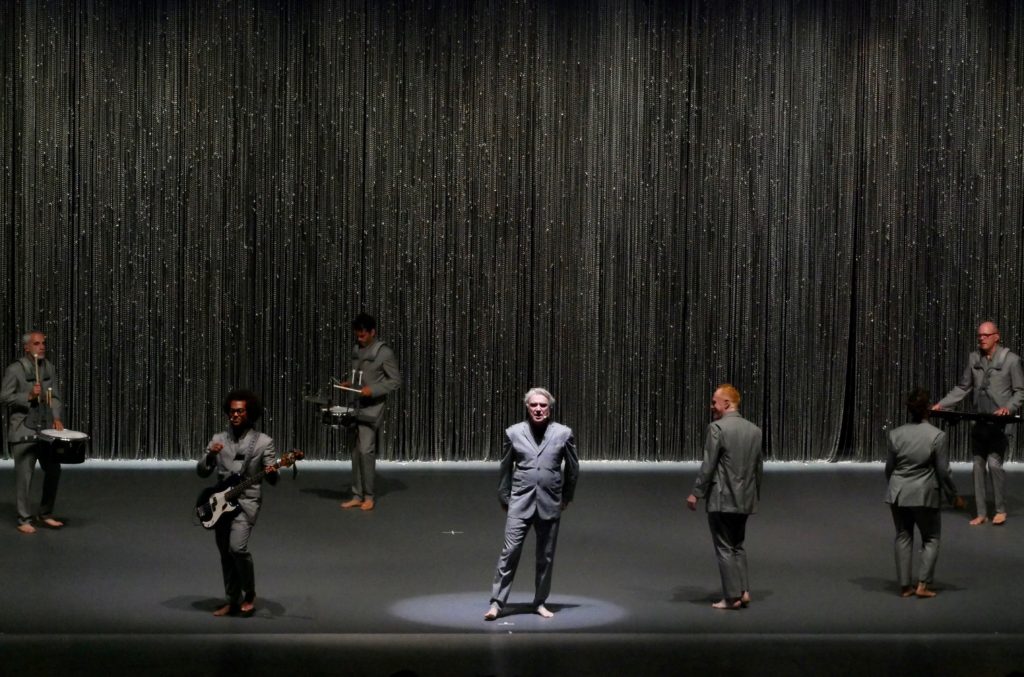
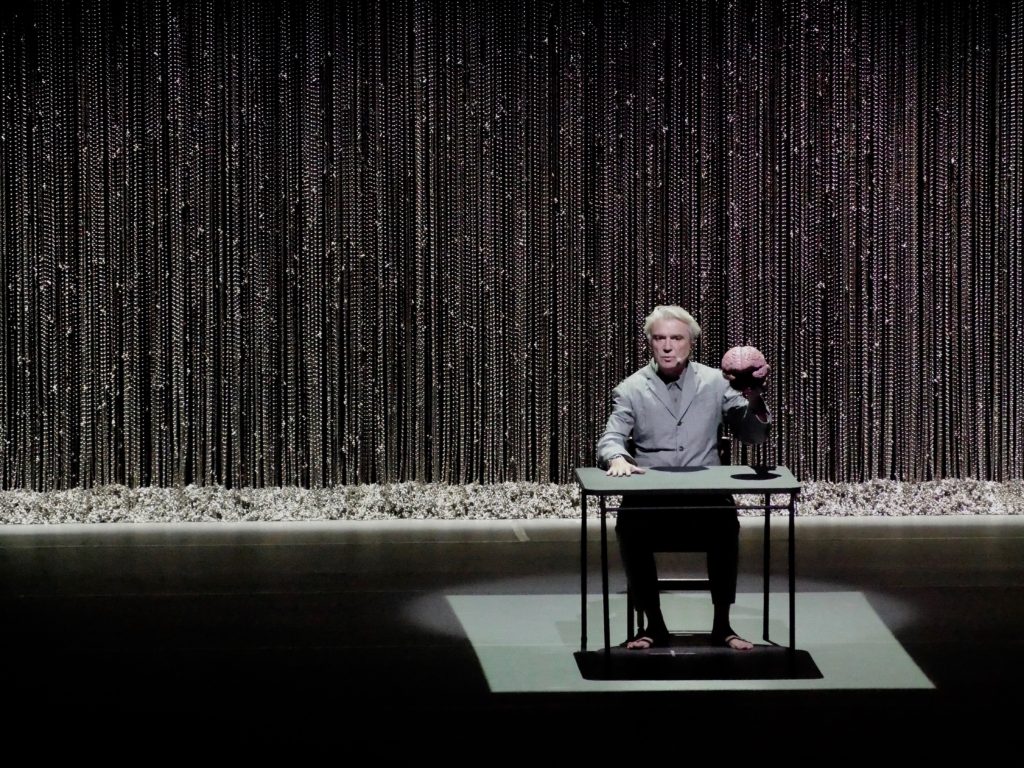
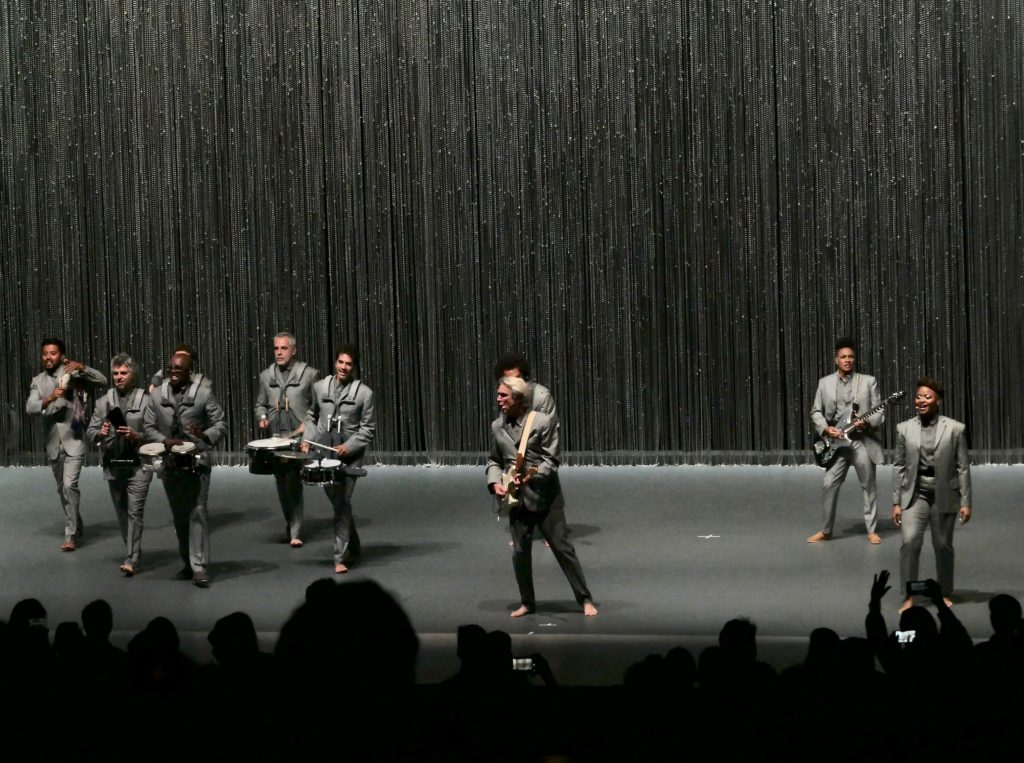
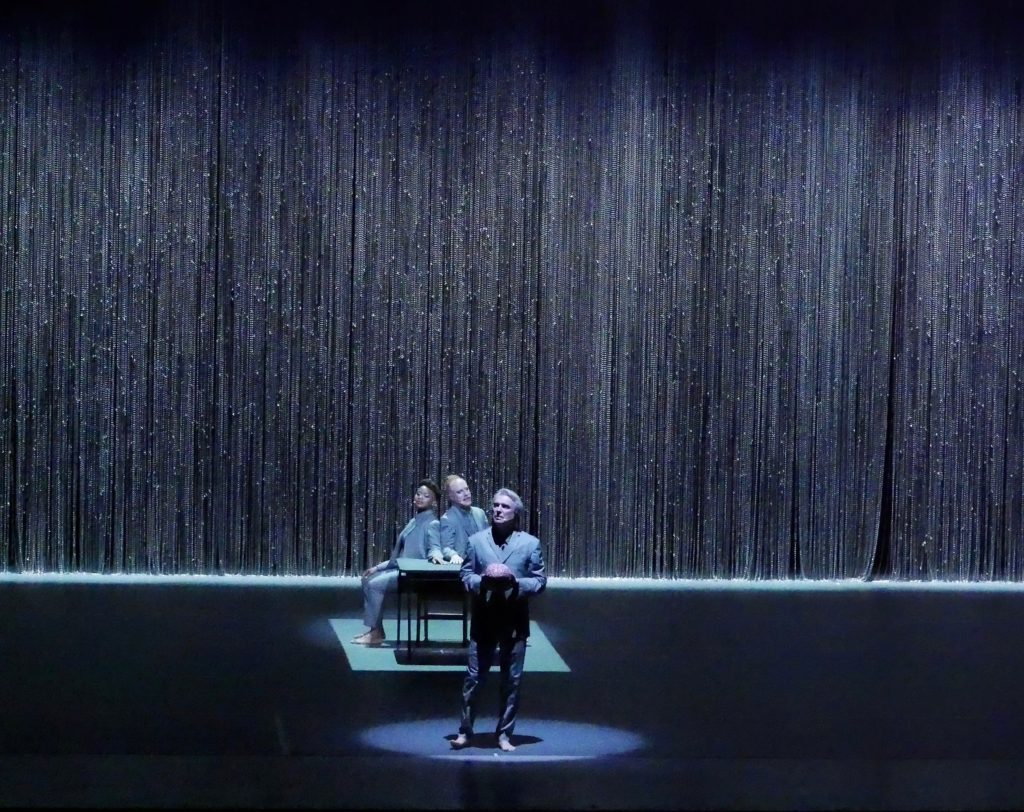
Concert Shots: David Byrne at BJCC Concert Hall 10-3-18

Photos by Adam Johnson

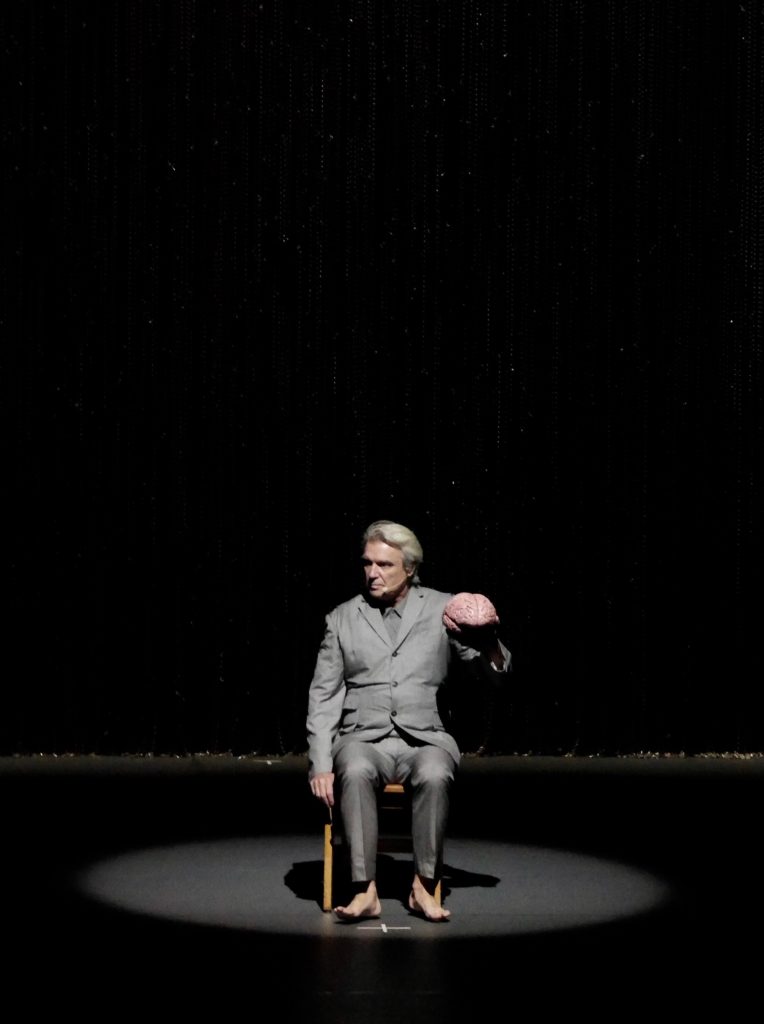
David Byrne brought his American Utopia tour to the BJCC Concert Hall on Wednesday, October 3. Backed by a 12-piece band, the 66-year-old Byrne kept the crowd spellbound throughout the night. The 21-song set mixed originals alongside Talking Heads’ favorites “Once In A Lifetime,” “This Must Be The Place” and “Burning Down The House.” The evening closed with a cover version of Janelle Monae’s “Hell You Talmbout.” The unique stage setting can be best be described in photos and we were there to capture the event.

Listening Station: New music from Keller Williams

By Brent Thompson

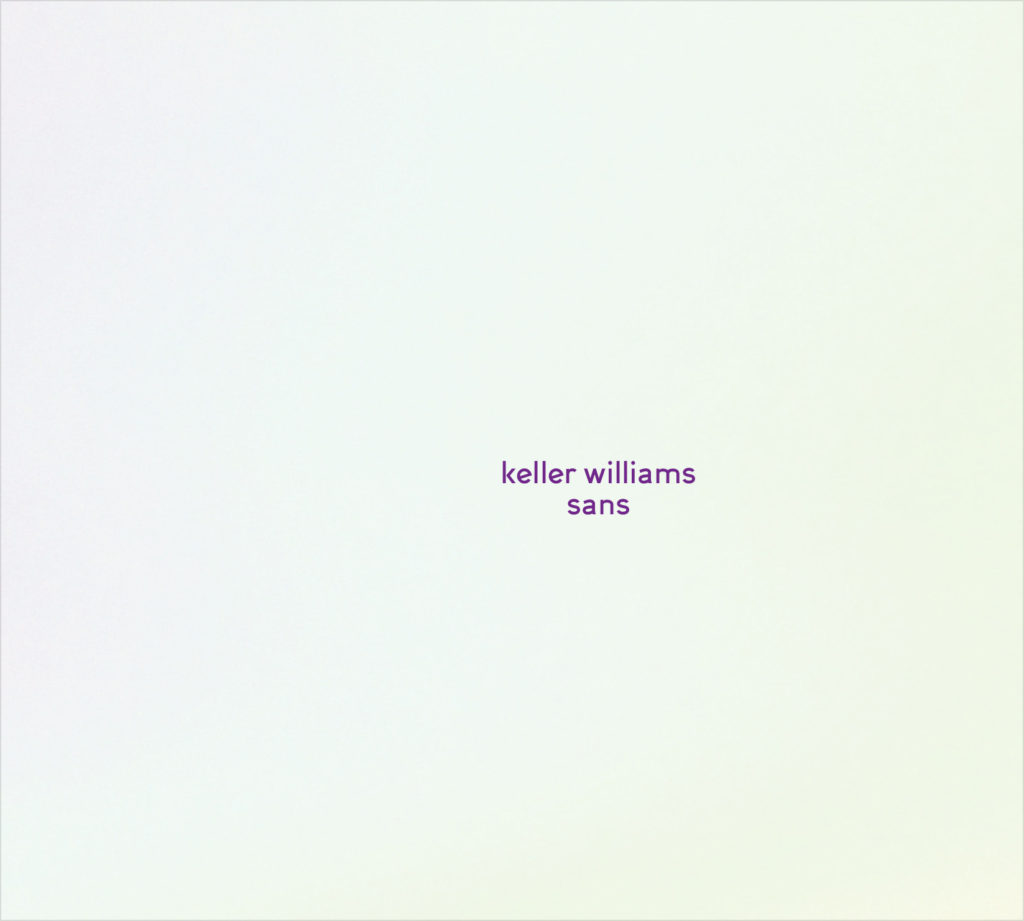
In a record career spanning nearly 25 years, Keller Williams has titled his albums with single words that underscore the premise of a given project – THIEF (cover versions), DREAM (collaborations with heroes) and GRASS (bluegrass) all being examples in this pattern. On October 19, the guitarist with dizzying skills will release SANS (as in “without”), a nine-track collection that revisits older songs and adds a new one to his catalog. Given that he is generally regarded more for his playing than his singing, SANS is surprisingly Williams’ first release of all-instrumental material. If you’re not into Williams already, then the album likely won’t covert you. But if you’ve followed him on his diverse and exciting ride, SANS will be an essential addition to your collection.

I Want To Know Who’s Listening: A Conversation with Adam Hood

By Brent Thompson

Photo Credit: Alysse Gafkjen

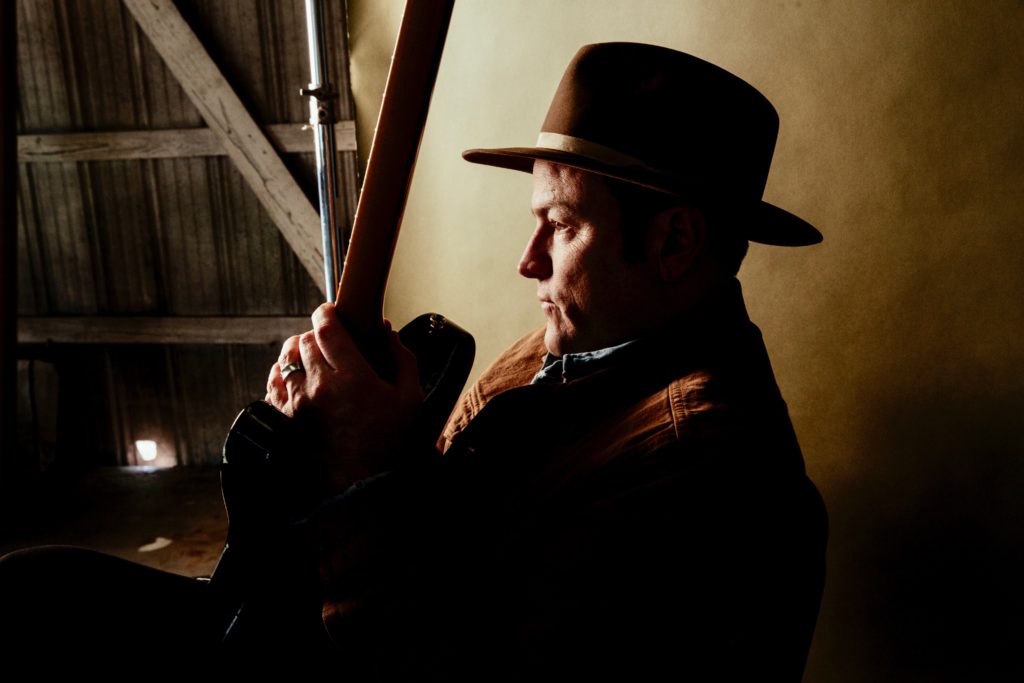
It is well-documented that several acts with Alabama ties have made a significant impact on music in recent years. Jason Isbell, The Alabama Shakes, Anderson East, Drive-By Truckers, The Secret Sisters and St. Paul & The Broken Bones are a few artists that have raised the state’s prominence in the musical landscape. In that respect, Adam Hood takes a back seat to no one. In a career spanning more than 15 years, the Opelika native and Northport resident has released several solo albums and had his songs recorded by Little Big Town, Miranda Lambert, Anderson East and Lee Ann Womack among others. On October 12, the singer/songwriter will add and important piece to his resumé when he releases the album Somewhere In Between [Southern Songs]. Recorded at Nashville’s Sound Emporium Studios with the help of producer Oran Thornton (Miranda Lambert, Eric Church, Angaleena Presley) and singer/songwriter Pat McLaughlin, the 11-track collection finds Hood capturing the spontaneous feel of his live shows. On Friday, October 5, 65 South Presents: Adam Hood Album Release Show at Zydeco. Recently, Hood spoke with us by phone as he traveled to a run of shows on the Alabama and Florida coasts.

Birmingham Stages: Adam, thanks for your time. If you will, talk about the body of songs that comprise Somewhere In Between.

Adam Hood: “She Don’t Love Me” is a song I wrote with Brent Cobb and Josh Abbott. Brent and I flew out to Texas and wrote with Josh for a week during one of Josh’s projects. That song got put on hold and a little time went by and the timing was perfect to put it on mine. So, that was an older one. The song “Heart of a Queen” – which is the song we got the Somewhere In Between title from – I’ve had that song in my pocket for a while. But “Downturn” is a newer one that I wrote with [Jason] Eady and I wrote about four songs with Pat McLaughlin. Pat and I have written probably half of the last three albums together. It’s funny that I base making a record on how many songs Pat and I have written together [laughs]. The thing that made this album come together was Pat’s participation.

Birmingham Stages: An artist recently told that there is usually a certain song that tells you that it’s time to make a new record. Do you agree with that statement?

Hood: Yes, the song “The Easy Way” was the song on this record for me. Honestly, I think it’s kind of that way for all of my records. I’ll write a tune and think to myself, “Now it’s time.” So, “The Easy Way” was the song for this record and it’s pretty obvious that there are definitive moments in the writing process.

Birmingham Stages: In addition to recording your own material, you’ve had multiple artists – including Miranda Lambert, Little Big Town, Anderson East and Lee Ann Womack – record your songs. When you write, how do you decide which songs belong on your albums and which ones should be recorded by others?

Hood: It’s one of those things where you never really know until the song’s done. It’s just a feel – it’s never specific content or specific lyrics or melody. A song just feels like it suits itself for me as opposed to someone like Miranda or Anderson. A lot of times – like “Good Ol’ Days” that I wrote with Brent and Miranda – I put that song in my set lists. That’s the good thing about collaborations with other artists – I have the publishing deal I have due to Brent Cobb and Anderson East. I can write in that wheelhouse all day long. Brent’s a great writer and I know that we can get together and I can do something that suits what he does and the same thing with Anderson. There are some things I’m not great at, but with those two guys I can write that material.

Birmingham Stages: I know that several regions of the country have rich musical histories, but there is a special magic rooted in the music of Nashville, Memphis, New Orleans, Muscle Shoals, the Mississippi Delta and so forth. If you will, talk about the South’s influence on you.

Hood: I think it’s a hotbed. The digital age has complicated things – how writers get paid and people’s roles – but more than anything, you have access to everything now. All of the Amazing Rhythm Aces records and everything in the John Hiatt and Delbert McClinton catalogs – all of my heroes – that stuff is available to us now. So, I agree it’s awesome to be from this area and it’s a deeper well than I ever would have thought. I’m thankful for it.

Birmingham Stages: You mention the digital age and that is an ideal segue to my next question. As an artist, how do you reconcile the pros and cons of the current climate?

Hood: It’s not easy, but I wasn’t in the midst of the age when people were making a lot of money so I don’t miss it. I treat this like more of a business at 43 than I did at 33 and it’s not a matter of money – I want to know who’s listening to my music. It’s all at our fingertips and I’m available to people that want to find me. The associative game is a big game to be in right now and I’m associated with a lot of artists. I like the fact that it’s all in our hands and the consumer gets to choose nowadays. It’s a free market and that’s good.

Birmingham Stages: How would you describe your writing process?

Hood: The inspiration comes anytime, anywhere – there’s no formula for what I’m going to write about. I’m not great at titles – I’ve got buddies that are title-writers and they have lists of these brilliant titles. I can come up with a line that would be a great second line in the third verse. To me, it’s kind of working backwards – you write the story first and the chorus comes last.

Birmingham Stages: The press release for Somewhere In Between states that you went for a live, spontaneous recording approach on the album.

Hood: I’ve always traveled [with a] three-piece – we’re never more than a four-piece. It’s usually me playing guitar and singing with a bass player and a drummer. I wanted to go in and make a record that we could cut live and that I can reproduce note-for-note. It’s an intangible thing when you go see somebody live and it sounds like the record – those are the shows that I love the most. Because we’re stuck to our guns in being a smaller group, I wanted to showcase that on the record and I feel like we knocked it out of the park. I’m blessed and thankful for that.

65 South Presents: Adam Hood Album Release Show at Zydeco on Friday, October 5. Showtime is 9 p.m. Advance tickets to the 18+ show are $20 (reserved) and $12 (general) and can be purchased at www.zydecobirmingham.com.

Road Trip Recap: AmericanaFest 2018

By Brent Thompson

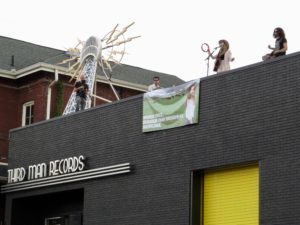
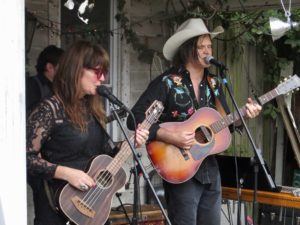
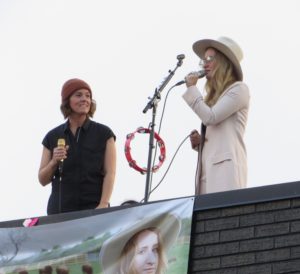
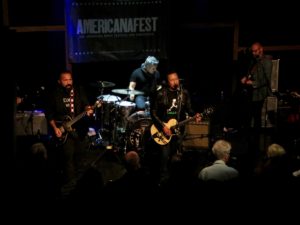
The term “Americana” is defined by being indefinable and that’s a compliment. The sounds of rock, country, bluegrass, soul and folk are all found in Americana and they somehow fit together in a cohesive fashion. From September 11-16, throngs of artists – from up-and-coming and legendary – descended on Nashville for AmericanaFest 2018. The annual event  – highlighted by the mid-week Americana Music Awards at the Ryman Auditorium – allows audiences to catch performances in renowned concert venues, bars, hotel and record store rooftops, restaurants and retail stores. The only downside to the event is the recurring problem of too many great shows taking place at the same time. We were in Music City to capture this year’s festival and our coverage is best told in photos.


Top to bottom: John Oates (City Winery), Margo Price (Third Man Records), Nocona (Fond Object Records), Margo Price & Brandi Carlile (Third Man Records), Alejandro Escovedo (12th & Porter), Paul Cauthen (Bobby Hotel), Zac Sokolow of The Americans (East Nashville), Thomas Csorba (3rd & Lindsley), Thomas Csorba rehearsal (East Nashville)

Listening Station: Adam’s House Cat

By Brent Thompson

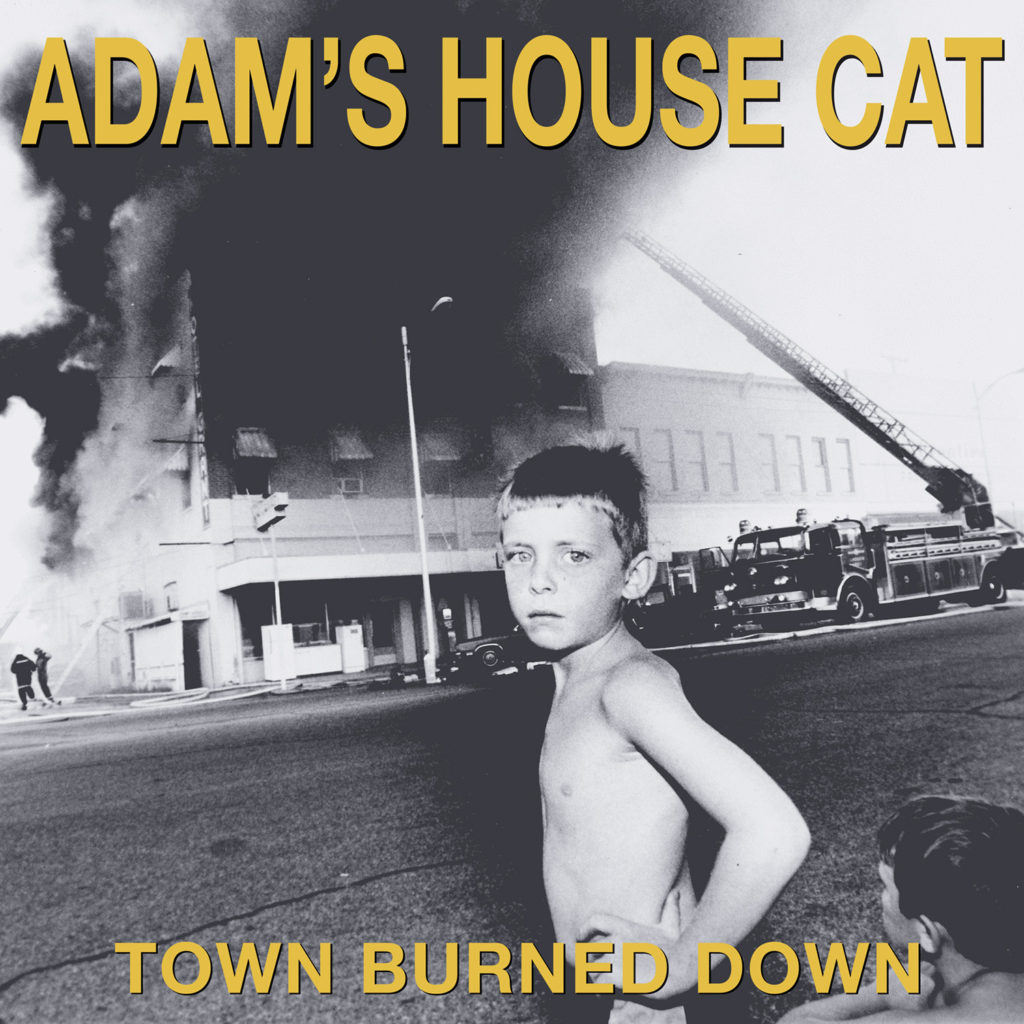
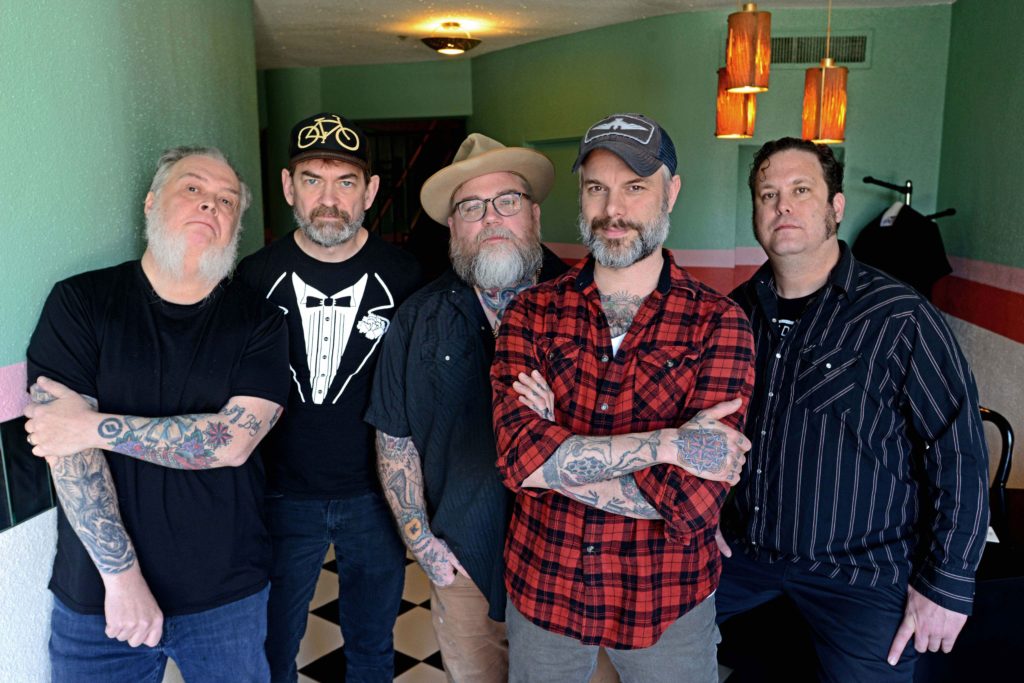
It’s always interesting to trace a band’s roots, especially when those roots include music that’s literally been in the vault for nearly 30 years. In 1990, Patterson Hood and Mike Cooley of Drive-By Truckers recorded Town Burned Down with their band Adam’s House Cat. Now, the 12-track collection has been unearthed and released on ATO Records. In the liner notes, Hood writes, “Finally releasing Town Burned Down brings a sort of closure to one of the saddest and most important chapters of mine and Cooley’s lives…Songs from literally half of my life ago that somehow still seem vital to me all of these years later.” With the exception of some updated sweetening of the vocals, what you hear is what went down as Hood and Cooley worked their way to the formation of the Truckers. Established fans will find the release essential to their collections as it rounds out the A-Z progression of these torchbearers of raw, honest Southern Rock. To cement the revitalization of the project, Adam’s House Cat will perform at select shows with Drive-By Truckers this fall.

Show Reminder: Lucero returns to Saturn on September 26

By Brent Thompson

Lucero frontman Ben Nichols eyes the South in the same way that Warren Zevon eyed Southern California (not surprisingly, Lucero has a song in its back catalog that pays tribute to Zevon). On the band’s latest album, Among The Ghosts, Nichols continues his haunting observations backed by a leaner sound than on previous releases. On Wednesday, September 26, Lucero will perform at Saturn. Brent Cowles will open the 8 p.m. show. Advance tickets to the 18+ show are $22 and can be purchased at www.saturnbirmingham.com.

Singing With Your Hands: A Conversation with Jake Shimabukuro

By Brent Thompson

Jake Shimabukuro is a living example of how technology can propel an artist’s career in today’s music industry. The Hawaiian ukulele virtuoso found an international audience when – unbeknownst to him – his rendition of The Beatles’ “While My Guitar Gently Weeps” was posted on Youtube in 2006 (the clip has received over 16 million views). During his career, Shimabukuro has collaborated with Jimmy Buffett, Lyle Lovett, Yo-Yo Ma, Jack Johnson and Bette Midler and many others while releasing a steady stream of solo albums. On August 31, Shimabukuro released The Greatest Day [Mailboat Records], a collection that finds original songs sitting alongside cover versions of “Time Of The Season,” “Eleanor Rigby” and “Hallelujah” among others. On Sunday, September 16, he will perform at WorkPlay Theatre. Recently, Shimabukuro spoke with us by phone from his home in Honolulu.

Birmingham Stages: Jake, we are enjoying The Greatest Day. If you will, talk about the album’s body of material.

Jake Shimabukuro: There are six new original tunes and six cover tunes that I’ve never recorded before except for one of them – it’s an original called “Go For Broke.” We had re-recorded it because recently there was a movie called Go For Broke that was released in Hawaii about the Japanese-American soldiers who fought in the Second World War. That served as the theme song for the movie, so we re-recorded it and Jerry Douglas – one of my favorite musicians – makes an appearance on that so we decided to put it on the album.

Birmingham Stages: Do songs still evolve even as you take them into the studio to record them?

Shimabukuro: Yeah, definitely. They’re constantly evolving. It’s hard for me to listen to my own records because, by the time the album comes out, I already have so many new ideas that I always wish I could go back into the studio and re-record. It’s just never-ending – the songs evolve constantly. At some point, you’ve got to realize that, “OK, that was then” and it’s just a snapshot in time. Don’t get hung up on it – keep moving forward and you can use those ideas on the next project.

Birmingham Stages: When you’re recording cover songs, how do you place your own stamp on the material while retaining the original integrity of the song?

Shimabukuro: That’s a tough one. I always want to be respectful to the original, but at the same time I try to put my own spin on things. I try to be true to the melody as much as possible and really draw out the melody. But sometimes it’s hard, especially when it’s the ukulele or anytime you take a vocal tune and you try to quantify it as an instrumental. The human voice is so amazing that there’s all the subtle nuances that [make it] hard to do with a stringed instrument. I think a lot of times horn players or wind players have an easier time because they’re dealing with the breath and it’s that much closer to the human voice. With strings, you’re singing with your hands and your fingers so it’s a totally different approach. So, yeah, I struggle with that – really trying to bring out the melody. I like to do it where I’m singing the song in my head and that really helps me to be more vocal about it.

Birmingham Stages: In writing instrumental material, it must be nice to focus just on the music and not have to create lyrics for it.

Shimabukuro: Yeah, that’s true. In writing instrumental music –  especially when it’s your own piece – you can do whatever you want because it’s your own piece. But also that can be challenging because you can do whatever you want [laughs] and you can get carried away. The bottom line is you just want to be musical and you want to create something that will connect with people. I always lack a little bit of confidence when it comes to writing my own music, but it’s fun and I enjoy it.

Birmingham Stages: An artist once told me that an instrumental piece allows the listener to hear the song in his or her own way. In other words, it’s open to interpretation given there is no vocal story to guide the listener.

Shimabukuro: That’s totally true and I think, with instrumental music, sometimes you have to be very careful with how you title the piece because that can work two ways. You can lead the person or give them a hint, but then sometimes you give them a title and it kind of locks them into a certain feeling.

Birmingham Stages: Early in your career, you utilized Youtube as a platform to get exposure and grow your audience. Some artists love the current climate as there are so many ways to connect with listeners. Others say it’s a challenging time because the amount of content makes it difficult to separate yourself from the crowd. How do you view the current model?

Shimabukuro: I’m very grateful for social media and Youtube and the Internet because I’m pretty certain that I wouldn’t be where I am today if it weren’t for those avenues. Youtube really started a touring career for me, so that was the catalyst for me. Otherwise, I would never get any kind of radio play. I think that a lot of artists are getting their starts on social media and I think it’s great. Even though there’s a lot out there, I still think if you have something that moves people and it’s great to have that platform to expose what you do. For me, I spend hours on Youtube sometimes just looking up new artists or checking out interviews. I’ve discovered so many new, incredible musicians through social media, so I’m grateful for that. It’s been truly inspiring and it’s just a great new format for the audience to connect with artists.

Birmingham Stages: You deserve a lot of the credit for it, but the ukulele is seeing a surge in popularity these days. For example, music retailers now prominently display ukuleles and ukulele songbooks.

Shimabukuro: Yeah, totally. The bottom line is I’m just a big fan of the ukulele, so when I see it in movies or commercials or just making its way into mainstream media, it’s totally exciting. For me growing up in Hawaii, the ukulele is such a big part of the culture. It’s like the steel guitar – the steel guitar is an indigenous Hawaiian instrument. It was invented in Hawaii and you hear it now so prominently in country music and different styles of music. Surfing was also invented in Hawaii, but now you travel around the world and see such a surfing culture and community evolving in so many different countries. I feel like the ukulele is the next thing that’s making its way out there and I think that’s fantastic.

Jake Shimabukuro will perform at WorkPlay Theatre on Sunday, September 16. Advance tickets to the 8 p.m. show are $35 and can be purchased at www.workplay.com.

Photo courtesy of the artist.